The state of Illinois finds itself without a "stick" to enforce the mandates of its Affordable Housing Planning and Appeals Act. Towns have noticed and are flouting the law.


"State housing officials say dozens of affluent suburbs have missed a recent deadline to create plans for increasing the supply of affordable housing within their borders," reports Karen Berkowtiz.
"Under a 2004 Illinois law, 68 municipalities identified as having too little affordable housing were required to file plans with the Illinois Housing Development Authority by June 2, according to spokeswoman Man Yee Lee." The Affordable Housing Planning and Appeals Act, as the law is known, targets towns and cities "in which less than 10 percent of the housing stock is considered to be affordable under state guidelines."
The problem: 40 of the towns required to submit plans have failed to do so, reports Berkowitz, and the state has little authority with which to enforce the mandate. The article includes a lot more detail about the law, as well as the status of various cities in regard to the law's requirements.
Read the full story: Many towns snub state's affordable housing mandate

In Illinois: an Affordable Housing Board in Name Only
More evidence of the inability of the Illinois Housing Planning and Appeal Act to achieve its stated goals.

See the 12 communities on New York City’s affordable housing naughty list
The Upper East and West Sides, Elmhurst, and Bayside are among the communities that have built little affordable housing over the past five years, and now will see certain projects fast-tracked under new city rules.
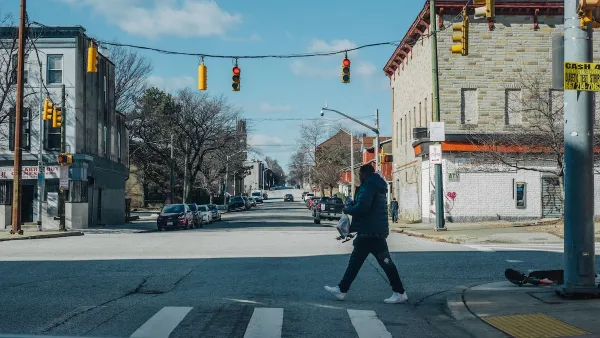
Maryland local governments examine if they should have more power to raise property taxes
Maryland’s housing market is out of reach for the majority of moderate-income residents.

Planetizen Federal Action Tracker
A weekly monitor of how Trump’s orders and actions are impacting planners and planning in America.

‘Going backwards:’ Baltimore mayor, students rally against state's transit funding plan
Maryland's proposed six-year plan provides no funding for Baltimore’s BMORE bus program and reduces its road maintenance funding.

Detroit to transform waterfront with $2.2 billion investment
Developers will convert about 18 acres of unused parking lot space into civic spaces.

U.S.-Iran war may have ‘devastating’ impact on cost to warm homes
Vermont and Maine residents may see a 76% increase in the cost of warming their homes this winter.

Senate bill would ‘overhaul’ environmental permitting laws
Under the proposed act, government agencies would also not be able to suspend or rescind permits after granting them.

Exemption applications for NYC’s pied-à-terre tax see 55% success rate
The city sent nearly 40% of its initial pied-à-terre tax warnings erroneously.

FREE Course: Walkable City 1: Why Walkability?
After describing his path towards focusing on walkability as the essence of good planning, Jeff Speck marches through his five principal reasons for making more walkable places.
Reinventing Malls: Planning Alchemy—Turning Gray Fields Into Gold
The course focuses on the opportunities and imperatives that shape reinvention of mall sites.

One Hundred Miles
County of Mendocino
planning NEXT
The Architects Foundation
University of Cincinnati Online
Montrose County
Northern Illinois Transit Authority (NITA)
The Pocatello Development Authority