A provocative argument or a cautionary tale—an op-ed illustrates the level of conversation surrounding San Francisco's ongoing housing crises and controversies.


Mark Morford pulls no punches in arguing for a old-fashioned solution to a 21st century problem: "In short, SF is tired of taking the full brunt of the worker housing burden. It’s time the tech giants built their own employee lodging. Apartments. Dorms. Micro-dorms. Pods, bunks, closets, converted rail cars, whatever. Just make them clean, environmentally efficient, reasonably attractive from the outside, and – perhaps most importantly – a good distance from the urban cultural center. Easy!"
The article is more than a little tongue and cheek in applies vitriol liberally to the 7x7 area, coining terms like "techtosterone" and reducing the city's infamous new residents to just one gender. But Morford also cites examples from Seattle and even San Francisco itself for examples of companies or people looking for more creative solutions to the housing crunch. He also proposes a few, probably dead on arrival, policy ideas, like requiring tech companies to build subsidized housing for their employees and allowing zoning and new building codes that allow dorms on site at some of the tech companies.
Read the full story: SF tech companies! Time to build your OWN worker dorms
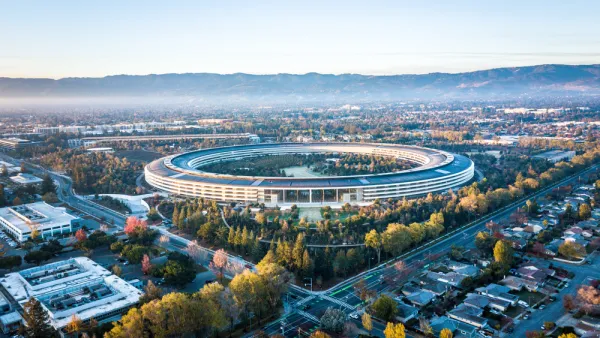
Why Big Tech Billions Won't Dent California's Housing Crisis
New multibillion-dollar affordable housing commitments from leading tech firms may build out thousands of units, but that's nothing next to California's gargantuan housing shortage.
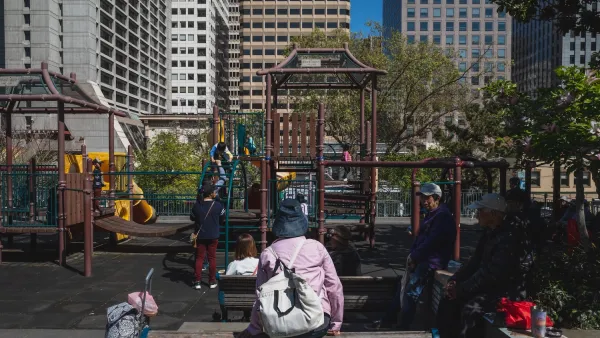
Report Shows San Francisco’s ‘Family Zoning’ Plan Would Produce Less Than Half of Needed Housing Units
The city’s economic analysis reveals that a rezoning proposal would yield from 8,504 to 14,646 units, well below the number required by the state.

San Francisco Rents are Spiking Faster Than Anywhere Else in the US. Here's Why.
Resurgent demand and a low vacancy rate is driving up rents in San Francisco despite national rent prices dropping by 1 percent since last year.

Planetizen Federal Action Tracker
A weekly monitor of how Trump’s orders and actions are impacting planners and planning in America.

Washington state to charge fee to drivers with fuel-efficient cars
Revenue from the fee will go towards supporting the state’s highways.

Illinois considers spending $1 billion in taxpayer money on data center
A quantum computing campus and data center are currently under construction in Chicago.

Senate passes bill overhauling permitting
The bill still needs to pass the House.

Did data centers change how voters cast their ballots?
Texas, Ohio, and Georgia all flipped party control. But in rural counties, the effect of local data centers was mixed.

Amtrak invests in eight new Airo trainsets
The new trainsets will begin serving passengers in 2031.

FREE Course: Walkable City 1: Why Walkability?
After describing his path towards focusing on walkability as the essence of good planning, Jeff Speck marches through his five principal reasons for making more walkable places.
Reinventing Malls: Planning Alchemy—Turning Gray Fields Into Gold
The course focuses on the opportunities and imperatives that shape reinvention of mall sites.

City of Charlotte
City of Rosemead
Rutgers University, Edward J. Bloustein School of Planning and Public Policy
University of Michigan School for Environment and Sustainability (SEAS)
Hunter College, City University of New York (CUNY)
The Architects Foundation
University District Partnership