Indian Tribes in the Pacific Northwest are using real time data to monitor and support salmon populations on rivers impacted by water and power infrastructure along with the region's ongoing drought.


"By closely monitoring river temperatures during a hot summer, the Nisqually Tribe has been able to make quick decisions to protect fish health," according to an article on the Northwest Treaty Tribes website.
"The tribe has deployed six temperature monitors throughout the [Nisqually River] watershed. 'Tribal staff regularly download data from the monitors to give tribal and state co-managers a clear picture of temperature conditions,' said David Troutt, natural resources manager for the tribe."
Water temperature is of critical importance to the health and survival of salmon. If the water is too warm, juvenile salmon expend too much energy and can starve. Warm water also spreads disease. Low snowpack this year in the Pacific Northwest has required the Nisqually to be especially vigilant, shutting down weirs and diversion dams when necessary on different stretches of the river.
FULL STORY: HOW REAL-TIME DATA HELPS THE NISQUALLY TRIBE PROTECT SALMON

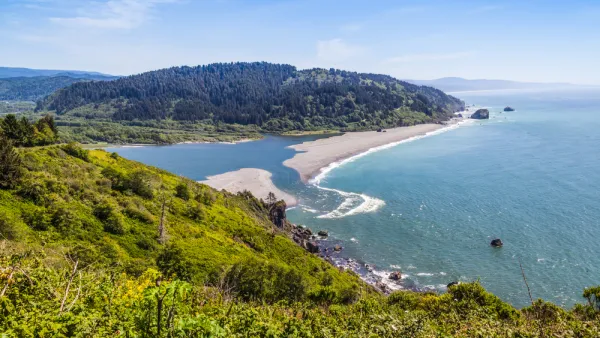
Dams on the Way Out on Two California Rivers
The largest dam removal project in U.S. history is about to commence on the Klamath River. Due to a recent development, a dam on the Eel River is also on expected for decommission.
2021 Most Endangered Rivers List Highlights Environmental Justice
The annual list of endangered rivers created by American Rivers has always documented pollution and other threats like dam construction, but this year, the confluence of water and systemic racism warrants extra attention.
Songs About Places: Water, Rain, and Rivers
A playlist for those who seek inspiration from water—whether it's falling from the sky or running downhill.

Planetizen Federal Action Tracker
A weekly monitor of how Trump’s orders and actions are impacting planners and planning in America.

The state-sanctioned urbicide of Austin
People don’t kill cities. Freeways do.

US to reduce Colorado River water deliveries to Mexico
A new Colorado Treaty amendment reduces Mexico’s Colorado River water allocation by 250,000 acre feet.

5 New England states march closer to 800 megawatt wind energy project
Securing federal approval for the project may be complicated under the Trump administration, which has historically been hostile towards domestic wind power.

Baltimore to break ground on $50 million Transit Priority Project
The project will bring faster bus trips, safer streets and better bike connections to Baltimore.

Airbnb launches $250 million 'last-dollar financing' housing accelerator, makes first investment in Austin
The company will put $6.4 million towards affordable housing development in Texas’ capital.

FREE Course: Walkable City 1: Why Walkability?
After describing his path towards focusing on walkability as the essence of good planning, Jeff Speck marches through his five principal reasons for making more walkable places.
Reinventing Malls: Planning Alchemy—Turning Gray Fields Into Gold
The course focuses on the opportunities and imperatives that shape reinvention of mall sites.

Eagle County Government
Harvard University Graduate School of Design
Nashville Planning Department
The Architects Foundation
University of Cincinnati Online
The Pocatello Development Authority
The Urban Renewal Agency of the City of Pocatello
Journal of the American Planning Association