A proposed plan to connect Chattanooga and Atlanta via high-speed rail, 17 years in the making, appears to be dead in the water. Chattanooga will now turn its attentions to a possible light rail system.


Chattanooga Mayor Andy Berke "says a 17-year-old plan to connect the Scenic City to Atlanta with a bullet train is likely stopped in its tracks," according to an article by Louie Brogdon. Mayor Berke told Brogdon and other reporters from the Chattanooga Times Free Press that the project lacks the political will or the funding to come to fruition.
A separate article by Tasnim Shamma describes the proposed project: "The high-speed rail line would extend 110 miles along Interstate 75 from Hartsfield-Jackson Atlanta International Airport to downtown Chattanooga. It’s been in the planning stages since 1998."
The project was viable enough a few years ago to receive a $13.8 million federal grant for environmental studies. Chattanooga spent $1.3 million of its own money on the same study, while Georgia added $1.5 million.
Brogdon also reports that Chattanooga is moving forward with a feasibility study to explore the possibility of converting some of the city's seldom used rail lines into a light rail public transit system.
Read the full story: Light rail possible for Chattanooga, but bullet train unlikely, Berke says

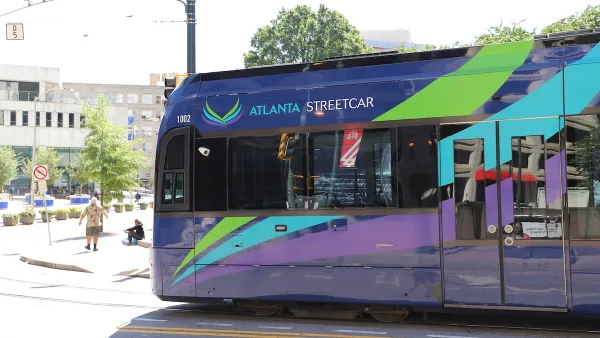
Atlanta Changes Beltline Rail Plan
City officials say they are committed to building rail connections, but are nixing a prior plan to extend the streetcar network.
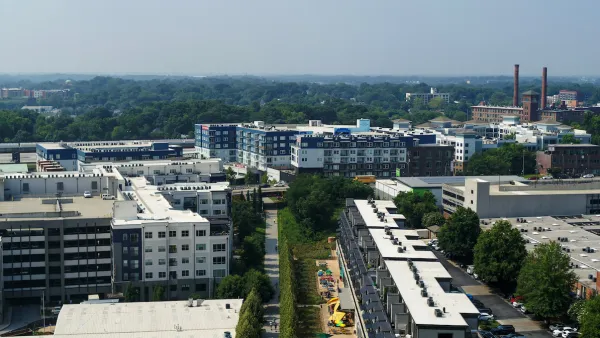
New Study Commissioned for Atlanta BeltLine Transit
The study will assess alignment options for a 13-mile segment of the greenway.
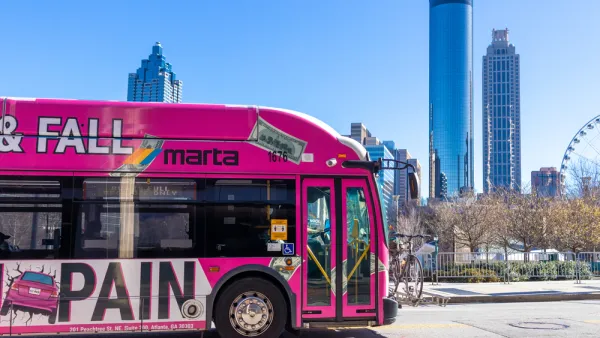
Atlanta Proposed Rail Line to Become Bus Rapid Transit
MARTA officials argue that bus rapid transit will be faster and more cost-effective than the originally proposed light rail option.

Planetizen Federal Action Tracker
A weekly monitor of how Trump’s orders and actions are impacting planners and planning in America.

Amtrak, CN end decades-long dispute with eight-year agreement
The new operating agreement establishes an updated framework for the companies to work together, including processes to resolve disputes.

Judges permit Denver to divert 77,000 acre feet from the Colorado River for reservoir expansion
Overuse and climate change have caused the Colorado River’s water levels to plummet.

Boston has spent millions making the Green Line more accessible — and there’s no end in sight
While the city has invested millions into expanding and adding platforms to the Green Line to make it more accessible, new train cars set to arrive next year will be too tall for disabled passengers to board without raising the current platforms.

Idaho may see an 18% drop in federal surface transit funding — the largest estimated cut in the US
Transit systems in rural communities are much more reliant on federal funding to provide their services.

How ‘post-disaster gentrification’ alters neighborhoods after natural calamities
After hurricanes, fires or other calamities, the original residents of a community are often replaced by younger, wealthier residents.

FREE Course: Walkable City 1: Why Walkability?
After describing his path towards focusing on walkability as the essence of good planning, Jeff Speck marches through his five principal reasons for making more walkable places.
Reinventing Malls: Planning Alchemy—Turning Gray Fields Into Gold
The course focuses on the opportunities and imperatives that shape reinvention of mall sites.

City of Wisconsin Rapids
Harvard University Graduate School of Design
KFH Group Inc.
The Architects Foundation
University of Cincinnati Online
The Pocatello Development Authority
The Urban Renewal Agency of the City of Pocatello