A guest column for Quartz reveals the "Starbucks Effect" on real estate values as well as the method to the coffee vendors success.


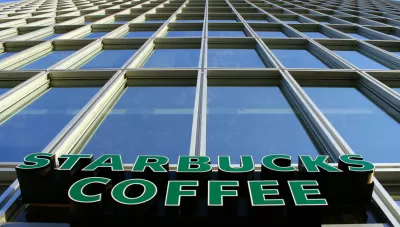
Spencer Rascoff and Stan Humphries from Zillow share insight into the influence of that ubiquitous coffee chain, Starbucks. To sum up the impetus for the article: "Starbucks equates with venti-sized home-value appreciation. Moreover, Starbucks seems to be fueling—not following—these higher home values."
Rascoff and Humphries assign the credit for this seeming clairvoyance in real estate to the "art as much as science" of a model worth emulating. To do so, the article measures the success of Starbucks on question like the appreciation of home value near the chain's locations (the answer: much faster than the national average and homes located near Dunkin Donuts locations).
The article concludes by going inside the operations of Starbucks to reveal the work that goes into achieving the so-called "Starbucks Effect." Rascoff and Humphries find that Starbucks employs approximately 20 analytics experts and dozens of regional teams to decide where to expand.
Read the full story: Confirmed: Starbucks knows the next hot neighborhood before everybody else does
What the ‘Walk Score’ Misses
A popular walkability assessment omits key factors that impact different demographics and can direct development resources to already wealthy neighborhoods.
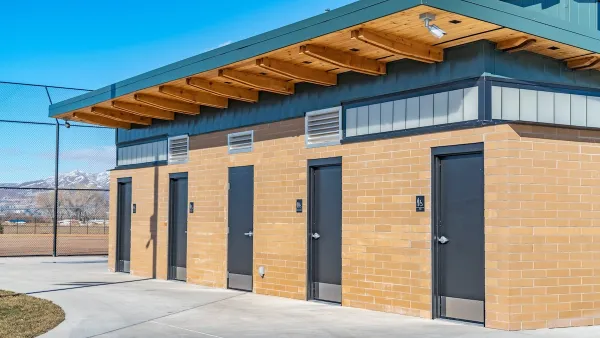
Opinion: Public Restrooms Shouldn’t Be Starbucks’ Problem
The outrage over the chain’s decision to limit the use of its bathrooms should prompt more questions about why the U.S. lacks public restrooms.
Reports of the Third Place’s Death are Greatly Exaggerated
Starbucks is shifting to more drive-throughs and less comfy armchairs, but that doesn’t mean the demand for common spaces outside of home and work is waning.

Planetizen Federal Action Tracker
A weekly monitor of how Trump’s orders and actions are impacting planners and planning in America.

Washington state to charge fee to drivers with fuel-efficient cars
Revenue from the fee will go towards supporting the state’s highways.

Study reveals best places in the U.S. for cycling, walking
New research from Streetlight Data examines bicycle and pedestrian miles per capita in the 100 largest U.S. cities by population.

Mamdani unveils his ‘most ambitious bus lane project’ so far
The city has added two new bus lanes, which it expects to speed up tens of thousands of bus riders’ commutes.

New Jersey and New York suggest $10.3 billion budget for transit
Some of the budget is dedicated to replacing Manhattan's Midtown Bus Terminal.

States split over EPA’s proposal to drop greenhouse gas rules for power plants
The proposed rule drew over 165K comments, including from officials, health and environmental groups, and private citizens.

FREE Course: Walkable City 1: Why Walkability?
After describing his path towards focusing on walkability as the essence of good planning, Jeff Speck marches through his five principal reasons for making more walkable places.
Reinventing Malls: Planning Alchemy—Turning Gray Fields Into Gold
The course focuses on the opportunities and imperatives that shape reinvention of mall sites.

City of Charlotte
City of Rosemead
Rutgers University, Edward J. Bloustein School of Planning and Public Policy
University of Michigan School for Environment and Sustainability (SEAS)
Hunter College, City University of New York (CUNY)
The Architects Foundation
University District Partnership
City of Cambridge
The Pocatello Development Authority