A new project by the Nature Conservancy maps the impact of natural infrastructure—often found well outside the city limits—on urban water supplies.


Rachel Dovey shares news of the Urban Water Blueprint project by the Nature Conservancy, which "maps dozens of city watersheds and makes a compelling argument for a greener approach to engineering the flow to our tap." According to Dovey, the project makes a case that "[instead] of relying on costly capital projects to filter sediments and pollution, urban officials should invest in the 'natural infrastructure' of riverbanks, forests and farmlands that affect the quality and quantity of their water before it even reaches city boundaries."
To showcase the breadth and depth of the project, Dovey shares five examples of cities that "utilize their watershed’s natural infrastructure to purify and conserve." Case studies shared by Dovey include New York, San Diego, Santa Fe, Cape Town (South Africa), and Manila (Philippines).
Read the full story: Five Cities Where ‘Natural Infrastructure’ Improved the Water Supply

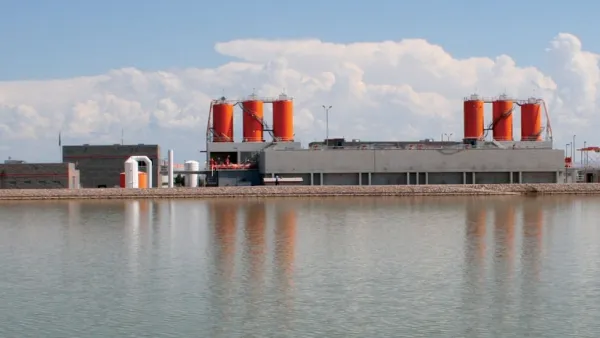
El Paso Wastewater Purification Facility Breaks Ground
As water supplies become strained and technology advances, cities look to wastewater as a viable source of drinking water.
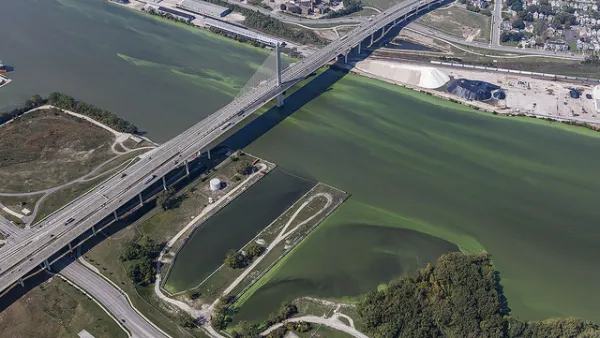
Great Lakes To Receive $1 Billion from Infrastructure Bill For Restoration
An additional $1 billion in federal funding will bolster current efforts to clean polluted water sources and restore ecosystems in the Great Lakes region.
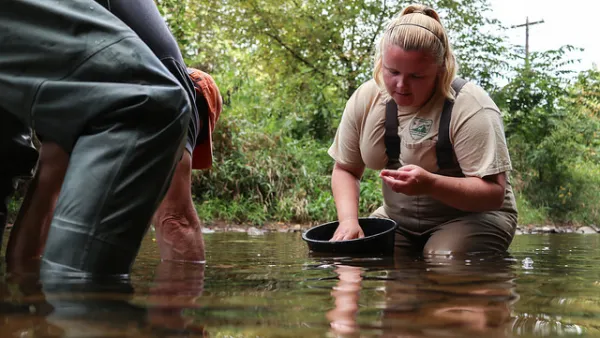
The Dismal State of Water Infrastructure in Rural Kentucky
In a region where the utility is on the "brink of financial collapse," residents face outages, boil-water advisories and bills that come with health warnings.

Planetizen Federal Action Tracker
A weekly monitor of how Trump’s orders and actions are impacting planners and planning in America.

Amtrak, CN end decades-long dispute with eight-year agreement
The new operating agreement establishes an updated framework for the companies to work together, including processes to resolve disputes.

Northwest rail fans eager for Sept. 30 debut of Amtrak’s Airo fleet
Get ready for that new train smell and more seats. But they won’t go faster or run more frequently on the Cascades route in Washington and Oregon.

St. Louis Metro to test if single-car trains can reduce operating costs, maintain rider satisfaction
The pilot program will run from October to spring 2027, and begin with one single-car train operating on Metrolink’s Red and Blue lines.

Pennsylvania is building data centers in abandoned mines
Housing data centers in mines provides an alternative to destroying local forests and may spare residents from data centers’ noise and air pollution.

If Corpus Christi can’t revive desalination plant project, it may owe Texas $235 million
Earlier this month, city officials declined to pursue developing the plant for the second time in a year.

FREE Course: Walkable City 1: Why Walkability?
After describing his path towards focusing on walkability as the essence of good planning, Jeff Speck marches through his five principal reasons for making more walkable places.
Reinventing Malls: Planning Alchemy—Turning Gray Fields Into Gold
The course focuses on the opportunities and imperatives that shape reinvention of mall sites.

City of Thousand Oaks
City of Wisconsin Rapids
Harvard University Graduate School of Design
The Architects Foundation
University of Cincinnati Online
The Pocatello Development Authority
The Urban Renewal Agency of the City of Pocatello