Kyle Hill compares the cost of exclusively riding Uber to owning a car in the car-centric city of Los Angeles.


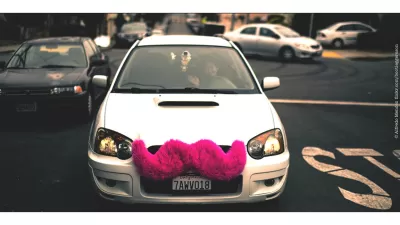
As reported by Ryan Lawler in TechCrunch, Hill calculated the cost of owning a car based on gas mileage, cost of gas, length of one's commute, and general parking costs. On average, driving and owning a mid-sized sedan in the US was about $8,876. Factoring in annual traffic and parking ticket cost, along with an "opportunity cost" of driving versus a mode of public transportation (where, presumably, you can answer emails and "get stuff done"), Hill estimated car ownership to be around $12,744.
Using U.S. Census Bureau estimates of number of trips and time spent in their cars each year, based on the cost of UberX in Los Angeles, Hill found that a user would pay $18,115 per year if riding Uber exclusively. Hill used the base fare and mileage costs for Los Angeles, and these costs vary greatly depending on the market. More importantly, the model does not factor surge pricing, mostly active during peak commute hours.
For the average Uber rider in Los Angeles, the crossover point when Uber is cheaper than owning a car is around 9,481 miles a year.
Read the full story: When Does Uber Become Cheaper Than Owning A Car?

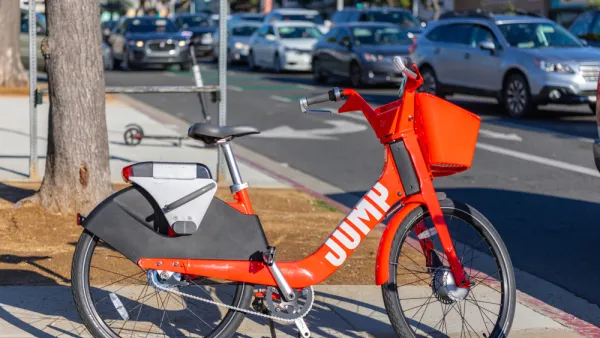
L.A. Wins Round One in Battle With Uber Over Privacy and Data
Los Angeles and Uber bike-share subsidiary Jump are in a protracted legal battle over the city's data sharing requirements.
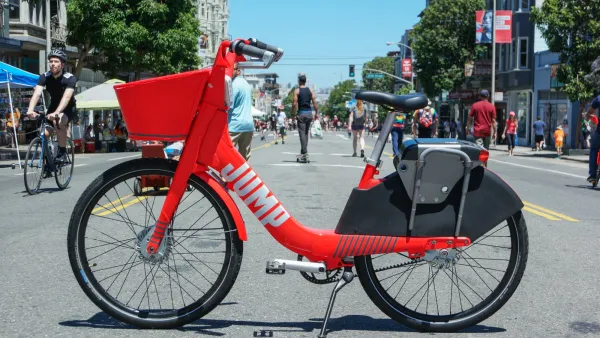
JUMP, Uber's Bike and Scooter Rental Business, Creates Privacy Controversy in L.A.
The battle over privacy data will move to court, as Uber and the Los Angeles Department of Transportation has been able to work out their differences regarding the use of the city's mobility data specification.
From Taxi Industry Disrupter to Auto Industry Disrupter
Car ownership is far from "a thing of the past," as Uber's CEO plans on making it, but a new survey shows that a substantial number of people who have tried transportation network companies are forgoing the purchase of a car.

Planetizen Federal Action Tracker
A weekly monitor of how Trump’s orders and actions are impacting planners and planning in America.

California plans to bury El Niño’s downpour
If the state plays its cards right, it may be able to store a billion acre-feet of El Niño’s water in aquifers.

Chicago breaks ground on $3 billion megadevelopment
The new neighborhood, titled Foundry Park, will one day host 3,700 residences.

Satanic place names
From streams and lakes to valleys and canyons, I mapped more than 1,000 places named after the Devil.

California High-Speed Rail Authority CEO resigns after $600,000 scandal
Under Ian Choudri, the authority used taxpayer dollars to fund first class flights and trips to nightclubs.

Want to study the Missouri River? Soon, you may need unanimous approval from 10 states
Legislation would require 10 governors’ permission to study or build projects moving water outside the basin.

FREE Course: Walkable City 1: Why Walkability?
After describing his path towards focusing on walkability as the essence of good planning, Jeff Speck marches through his five principal reasons for making more walkable places.
Reinventing Malls: Planning Alchemy—Turning Gray Fields Into Gold
The course focuses on the opportunities and imperatives that shape reinvention of mall sites.

City of Rosemead
Rutgers University, Edward J. Bloustein School of Planning and Public Policy
One Hundred Miles
Hunter College, City University of New York (CUNY)
The Architects Foundation
University of Cincinnati Online
City of Cambridge
Montrose County
The Pocatello Development Authority