Move aside, myth of the reckless biker who flouts the law at every possible junction.


"Nearly 94 percent of people riding bikes in Portland, Beaverton, Corvallis and Eugene stopped for red lights, a forthcoming Portland State University-based study of 2,026 intersection crossing videos has found. Of those, almost all (89 percent of the total) followed the rules perfectly, while another 4 percent entered the intersection just before the light changed to green," reports Michael Andersen.
Fortuitously, Andersen has a study from September 2013 for comparison finding that 36 to 77 percent of motorists tend to break the speed limit on local streets.
Few similar studies have been conducted in other cities, so it's hard to say whether bikers in these cities are relatively law abiding compared to bikers in other cities. It is still easy, however, to say that bikers in Oregon are safer than Alec Baldwin.
Read the full story: 94% of bike riders wait at red lights, study finds

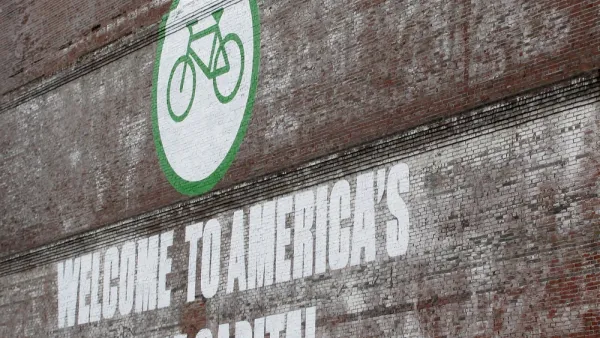
Idaho Stop Breezes Through the Oregon Legislature
Before the Republicans in the Oregon Senate skipped town, they managed to approve a bill that legalizes the Idaho Stop for bikers around the state. The Oregon House also approved the bill this week.
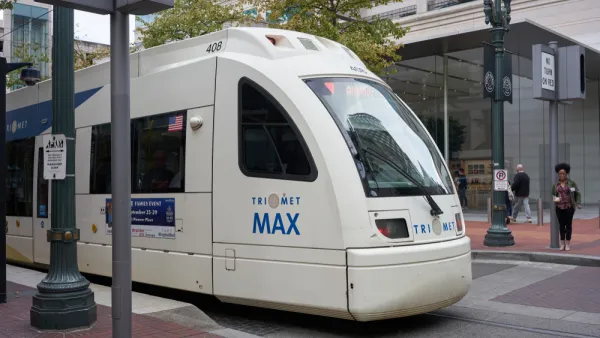
MAX Red Line Extension Wins Federal Funding in Portland
The "A Better Red" project won the federal funding it needed from the federal Transit Administration's Capital Investment Grants program.
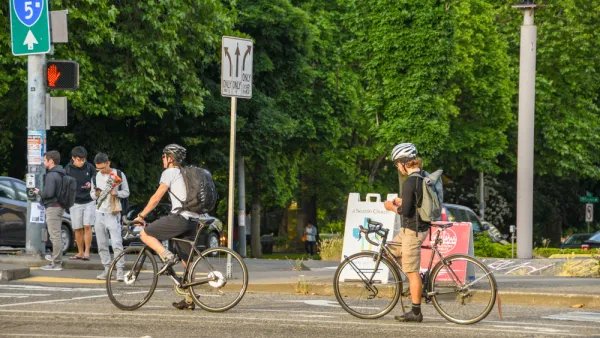
Starting Today: The Idaho Stop Is Legal in Washington State
A law passed in March allowing people on bikes to treat stop signs as yield signs when conditions permit takes effect today in Washington State.

Planetizen Federal Action Tracker
A weekly monitor of how Trump’s orders and actions are impacting planners and planning in America.

Amtrak, CN end decades-long dispute with eight-year agreement
The new operating agreement establishes an updated framework for the companies to work together, including processes to resolve disputes.

Northwest rail fans eager for Sept. 30 debut of Amtrak’s Airo fleet
Get ready for that new train smell and more seats. But they won’t go faster or run more frequently on the Cascades route in Washington and Oregon.

Atlanta City Council unanimously backs $3.5 billion Beltline light rail project
The resolution was drafted after Atlanta Mayor Andre Dickens pulled support for the Atlanta Streetcar extension last year.

SEPTA to bring nearby frequent transit to over 1 million new riders as part of decade-long plan
The agency's Accelerate plan will also bring frequent transit to twice the amount of jobs that are currently located near it.

NYC plants over 18,000 trees, the most new foliage in a decade
Many of the trees were planted in communities vulnerable to extreme heat.

FREE Course: Walkable City 1: Why Walkability?
After describing his path towards focusing on walkability as the essence of good planning, Jeff Speck marches through his five principal reasons for making more walkable places.
Reinventing Malls: Planning Alchemy—Turning Gray Fields Into Gold
The course focuses on the opportunities and imperatives that shape reinvention of mall sites.

City of Thousand Oaks
City of Wisconsin Rapids
Harvard University Graduate School of Design
The Architects Foundation
University of Cincinnati Online
The Pocatello Development Authority
The Urban Renewal Agency of the City of Pocatello