Off-year elections rarely generate much interest from voters. But at a time when those in D.C. can't seem to get much done, local elections are, in many ways, deciding the direction of the U.S. Mike Riggs examines some of compelling storylines.


The results of New York's mayoral election may be a foregone conclusion, but tight races in Minneapolis, Seattle, and Boston mean we'll have to wait until the votes are tallied to learn who will steer some of the country's most progressive cities. In addition to the more than 300 municipalities voting to choose new leaders, a number of city and state ballot measures are garnering national attention.
In two cities, voters will decide the fate of controversial redevelopment projects. In San Francisco voters "will determine whether developers can build luxury condos along the water at 8 Washington Street," explains Riggs. And in Houston, the fate of the Astrodome, the "world's first multi-purpose, domed sports stadium" is up to the voters. A ballot measure "would raise property taxes by a half-cent per $100 of home value; that money would then be used to turn the Astrodome into a convention center."
Read the full story: Election Day 2013: Races to Watch

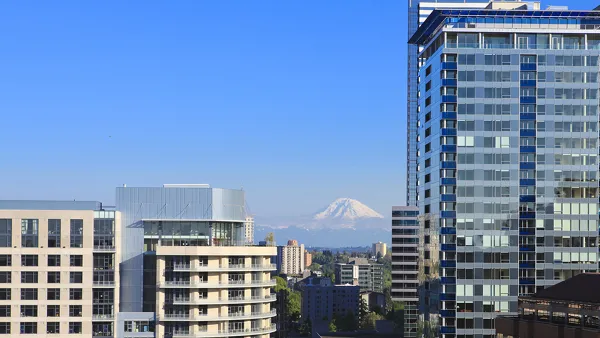
2020 Population Growth Rates for the 50 Biggest U.S. Cities
The Census Bureau released new data on May 27 that includes the first four months of the pandemic. Seattle tops the growth rate at 2.2% from July 1, 2019, to July 1, 2020, while Baltimore and San Francisco land at the bottom with -1.4%.
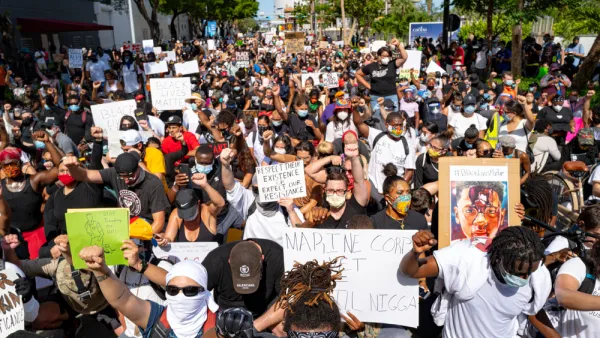
COVID-19: What About Those Protests?
While not conclusive, evidence suggests that relatively few transmissions of the coronavirus occurred during the widespread protests that followed the death of George Floyd due to the outdoor settings, being in motion and wearing of masks.
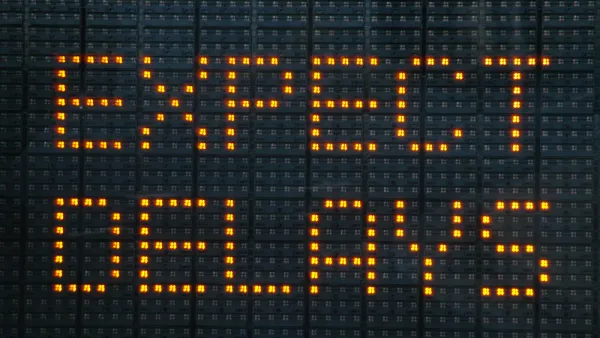
Op-Ed: 'Public Mood' Has Turned Against Cars in Cities
A survey of recent planning decisions demonstrates that cities are no longer necessarily looking to more and bigger highways to solve their traffic problems.

Planetizen Federal Action Tracker
A weekly monitor of how Trump’s orders and actions are impacting planners and planning in America.

California plans to bury El Niño’s downpour
If the state plays its cards right, it may be able to store a billion acre-feet of El Niño’s water in aquifers.

Desperate measures: Advocates weigh draining Lake Powell to fill Colorado River
Draining the reservoir could reduce evaporation losses by a couple hundred thousand acre-feet.

Chicago Avenue bridge construction delays enrages city leaders
The bridge has been closed since 2025. The city originally aimed to re-open it in December, and now expects to finish construction in 2027.

NYC bus network redesign speeds up Queens buses
Rush routes have seen a 4.6% speed increase after the redesign.

California High-Speed Rail Authority picks trainset manufacturer
The California High-Speed Rail Authority aims to start servicing passengers by 2033.

FREE Course: Walkable City 1: Why Walkability?
After describing his path towards focusing on walkability as the essence of good planning, Jeff Speck marches through his five principal reasons for making more walkable places.
Reinventing Malls: Planning Alchemy—Turning Gray Fields Into Gold
The course focuses on the opportunities and imperatives that shape reinvention of mall sites.

City of Rosemead
Rutgers University, Edward J. Bloustein School of Planning and Public Policy
One Hundred Miles
Hunter College, City University of New York (CUNY)
The Architects Foundation
University of Cincinnati Online
City of Cambridge
Montrose County
The Pocatello Development Authority