Stretching through suburban Maryland, the Intercounty Connector was sold on promises of boosting development and relieving congestion. Two years after it opened, users are few, while its drain on state transportation finances continues to grow.


"The 18.8-mile [Intercounty Connector]—the first stretch of which opened two and a half years ago after great hype and amid great controversy—is the road less traveled," reports Eugene L. Meyer. "Traffic counts are well below early projections, and revenue from tolls—needed to pay off the bonds that were sold to build the road—is far less than originally anticipated."
"The story of the ICC is a bit like the invasion of Iraq, a march to war in which the highway hawks—developers, development lawyers and contractors—held sway while critics were ridiculed as knee-jerk tree huggers and opponents of economic growth," writes Meyer. "The ICC is the Pac-Man of roads, critics charge, eating up all the transportation dollars in sight, now and for years to come."
Read the full story: The Road Less Traveled

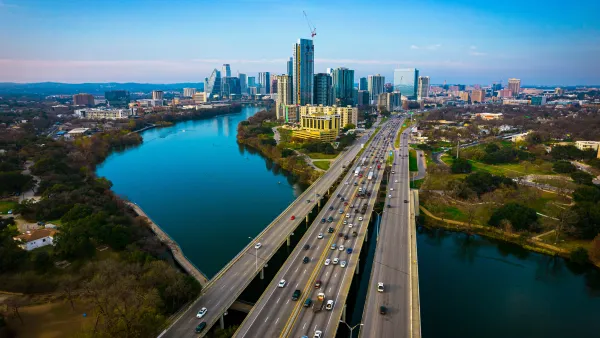
$138 billion Texas transportation plan to prioritize “Clear Lanes” congestion relief, highway construction
The plan includes $95 billion for transportation projects using existing state and federal revenue sources and $45 billion for project development and maintenance.
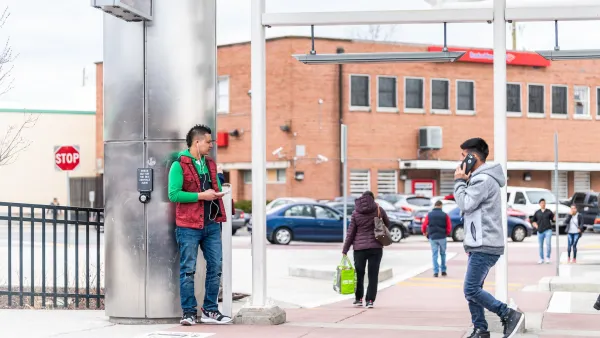
Montgomery County Residents Reject New Sidewalks, Citing Flooding and ‘Stranger Danger’
County officials nixed a proposal from MCDOT to build new sidewalks on streets near a future transit station.

DC Area County Eliminates Bus Fares
Montgomery County joins a growing trend of making transit free.

Planetizen Federal Action Tracker
A weekly monitor of how Trump’s orders and actions are impacting planners and planning in America.

Amtrak, CN end decades-long dispute with eight-year agreement
The new operating agreement establishes an updated framework for the companies to work together, including processes to resolve disputes.

Judges permit Denver to divert 77,000 acre feet from the Colorado River for reservoir expansion
Overuse and climate change have caused the Colorado River’s water levels to plummet.

NYC DOT wants faster, more permanent street upgrades
The city is examining ways to build more concrete infrastructure without getting entangled in 'decades-long' projects.

'Something we’ve never seen before:' rising utility rates could strain city finances nationwide
Data centers, climate change and other factors have caused utility rates in the United States to increase by 38% since 2020.

Trump to overrule local leaders, lease millions of acres of America’s Pacific Island territories’ seafloors to mining companies
International law says that the Indigenous people of America’s territories have a right to prior and informed consent regarding projects that impact their countries.

FREE Course: Walkable City 1: Why Walkability?
After describing his path towards focusing on walkability as the essence of good planning, Jeff Speck marches through his five principal reasons for making more walkable places.
Reinventing Malls: Planning Alchemy—Turning Gray Fields Into Gold
The course focuses on the opportunities and imperatives that shape reinvention of mall sites.

Harvard University Graduate School of Design
KFH Group Inc.
Greater Baltimore Committee
The Architects Foundation
University of Cincinnati Online
The Pocatello Development Authority
The Urban Renewal Agency of the City of Pocatello