Fearing that a growing homeless population threatens 'the new Southern hot spot', public officials in Columbia, South Carolina have instigated an aggressive program to rid the city's downtown of its neediest residents.


Buy a unanimous vote, Columbia's City Council "approved a plan this month that will essentially evict [the city's homeless] from downtown streets," reports Alan Blinder. In a city celebrating an economic surge, "[t]he unanimous vote epitomized how Columbia’s dueling realities — a rush of self-confidence among political and business leaders and continuing poverty for others — have become driving forces of public policy."
"City officials have clashed about what precisely the Council approved during a marathon meeting, but [Councilman Cameron] Runyan said the intent of his strategy was to increase enforcement of existing vagrancy laws and offer the homeless three options: accept help at a shelter, go to jail or leave Columbia," notes Blinder.
“These kinds of proposals are happening more and more around the country,” said Robert Adelman, a sociologist at the University at Buffalo. “But to me, all of these ordinances and policies just redistribute homeless persons. They don’t solve the problem of homelessness. You can’t jail people out of homelessness.”
Read the full story: South Carolina City Takes Steps to Evict Homeless From Downtown

Denver is solving homelessness. Why aren't the rest of us?
Since 2023, Denver's street homeless population has decreased by 64%, proving that effective tools exist to support those in need of housing.
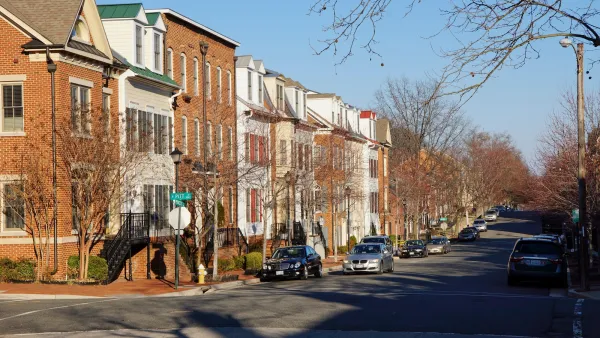
Alexandria eviction diversion program will let tenants pay back rent in installments
Eligible tenants will be allowed to make a 10% down payment on the back rent they owe and pay off the rest in installments while remaining in their home.

Austin rents are down — yet evictions spiked by 30%
Austin landlords filed a record number of evictions last year.

Planetizen Federal Action Tracker
A weekly monitor of how Trump’s orders and actions are impacting planners and planning in America.

California plans to bury El Niño’s downpour
If the state plays its cards right, it may be able to store a billion acre-feet of El Niño’s water in aquifers.

Desperate measures: Advocates weigh draining Lake Powell to fill Colorado River
Draining the reservoir could reduce evaporation losses by a couple hundred thousand acre-feet.

Chicago voters approve permanent festival grounds, penalty for vacant property owners
Currently, major summer and fall festivals take over public parks for weeks at a time, drawing criticism from nearby residents

NYC votes to cut outdoor dining red tape, speed up permitting
New York City also voted to allow the Department of Transportation to begin work on urgent projects before notifying elected officials.

California appears to reject Prop. 45
The proposition would have expanded the projects that qualify for a streamlined environmental review, effectively paring down the California Environmental Quality Act.

FREE Course: Walkable City 1: Why Walkability?
After describing his path towards focusing on walkability as the essence of good planning, Jeff Speck marches through his five principal reasons for making more walkable places.
Reinventing Malls: Planning Alchemy—Turning Gray Fields Into Gold
The course focuses on the opportunities and imperatives that shape reinvention of mall sites.

City of Rosemead
Rutgers University, Edward J. Bloustein School of Planning and Public Policy
One Hundred Miles
Hunter College, City University of New York (CUNY)
The Architects Foundation
University of Cincinnati Online
City of Cambridge
Montrose County
The Pocatello Development Authority