In a speech yesterday, President Obama announced his long-awaited proposals for reforming America's housing and mortgage markets in the aftermath of the Great Recession. Observers criticized his mixed message on renting and homeownership.


"In a speech on Tuesday, President Obama signaled that Washington may finally be returning to the place where the financial crisis started," writes Binyamin Appelbaum. "With the housing market on the mend, Mr. Obama said it was time to 'wind down' Fannie Mae and Freddie Mac."
Though the long-sought market reforms Obama outlined echo those that have bipartisan support in the Senate, observers such as Josh Barro bemoan the mixed messages delivered by the President in his speech. Writing in Business Insider, Barro critiques Obama's "two discordant notes on" on the need to invest in affordable rental housing on the one hand, while mythologizing homeownership on the other.
"Americans want to be middle class, and if we keep telling them that homeownership is the 'most tangible cornerstone' of middle classness, and the best available evidence of whether you've worked hard and been responsible, they're going to keep wanting to buy houses," says Barro. "Why not instead emphasize that renting—that is, not taking all the money you have in the world and putting it into a highly leveraged real estate investment—is a perfectly valid life choice, even for people leading prosperous, middle-class lives?"
Finding a middle ground between those pushing to reduce the government's decades-long subsidization of homeownership and those looking to ease access to mortgages may be as hard as trying to reconcile Obama's oratory discordance, however.
"For all the talk," notes Appelbaum, "it will be difficult to alter the government’s role in housing finance, which has remained substantially unchanged for half a century — notwithstanding Fannie and Freddie’s move from informal to formal wards of the state. That is because Americans like cheap mortgage loans and it is hard to preserve the benefits without the costs of the current system."
Read the full story: Washington Steps Warily on Housing

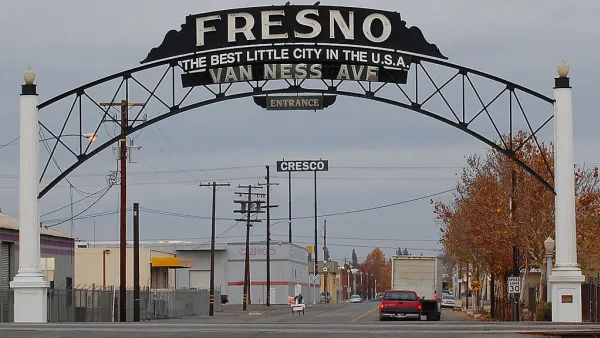
The Nation's Fastest-Rising Rents Are in California's Central Valley
Fresno's skyrocketing housing costs and inadequate supply are putting strain on the city's low-income households.
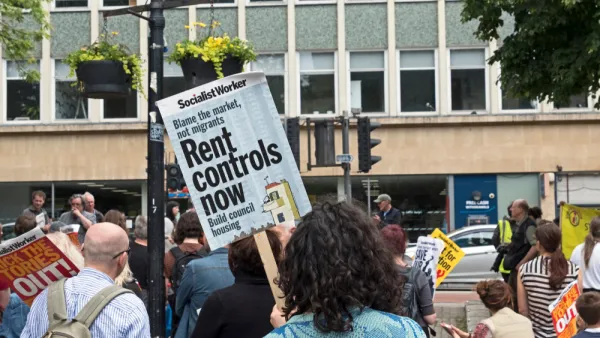
Another Rent Control Initiative on the Ballot in California
There are significant differences between Proposition 21, a statewide rent control measure on the ballot in California, compared to a similar measure defeated soundly by voters in 2018.
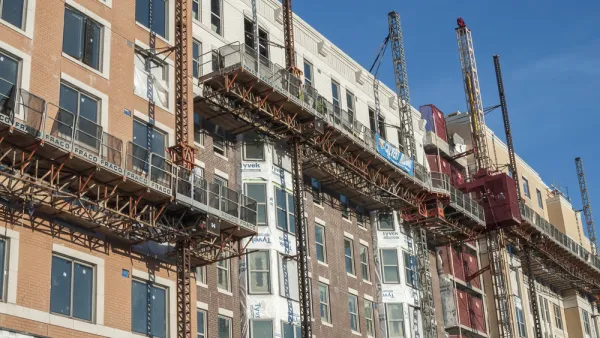
Rent Control Debated in the Nation's Capital
District council members and local tenant advocates are engaged in a bit of tug of war about how far the District should go to limit the amount landlords can raise rents.

Planetizen Federal Action Tracker
A weekly monitor of how Trump’s orders and actions are impacting planners and planning in America.

‘Going backwards:’ Baltimore mayor, students rally against state's transit funding plan
Maryland's proposed six-year plan provides no funding for Baltimore’s BMORE bus program and reduces its road maintenance funding.

Detroit to transform waterfront with $2.2 billion investment
Developers will convert about 18 acres of unused parking lot space into civic spaces.

Data center developers are using lawsuits, cash offers to ‘overwhelm’ rural America
Newsrooms in five states worked together to uncover the tactics big tech developers use to buy land from reluctant communities.

U.S.-Iran war may have ‘devastating’ impact on cost to warm homes
Vermont and Maine residents may see a 76% increase in the cost of warming their homes this winter.

Senate bill would ‘overhaul’ environmental permitting laws
Under the proposed act, government agencies would also not be able to suspend or rescind permits after granting them.

FREE Course: Walkable City 1: Why Walkability?
After describing his path towards focusing on walkability as the essence of good planning, Jeff Speck marches through his five principal reasons for making more walkable places.
Reinventing Malls: Planning Alchemy—Turning Gray Fields Into Gold
The course focuses on the opportunities and imperatives that shape reinvention of mall sites.

One Hundred Miles
County of Mendocino
planning NEXT
The Architects Foundation
University of Cincinnati Online
Montrose County
Northern Illinois Transit Authority (NITA)
The Pocatello Development Authority