As the world's centers of business and politics compete to create ever more lucrative commercial and residential zones, creative spaces are being razed and redeveloped. Is the ability to nurture creativity and diversity being lost in the process?


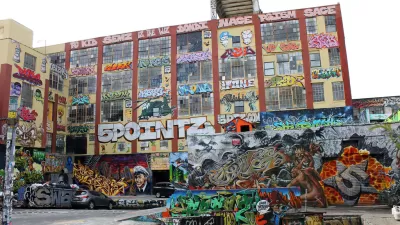
"Youthful, creative spaces are being razed around the world to make way for ritzy apartments, 'kitchy' cafes and manicured public spaces," writes Tom Payne. "In order to appeal to the world’s elite, these cities create new places of consumption at the expense of existing inner city spaces."
"The shabby buildings and public spaces that don’t fit into the glossy and glamorous ideal of what cities should look like also happen to be the last remaining inner city places that young people have to hang out," he adds. "As places of mass consumption are created for people with mass salaries, cities are losing their ability to cater to diversity. Young urban populations are losing important spaces they require to create ideas and build networks."
"I’m not suggesting that gentrification is a plague that must be stopped," says Payne. "Nor am I suggesting that the government should stop investing in the arts. What I am suggesting is that we have the most creative, skilled, able members of society already living in our cities, but the processes of gentrification are jeopardizing young people’s ability to thrive. By losing important sites of collaboration, we’re acting to deprive downtown cores of the diversity that once made them so special. How can cities be cultural icons if they’re culture-less?"
Read the full story: Are Our Greatest Cities Destroying Their Greatest Assets?

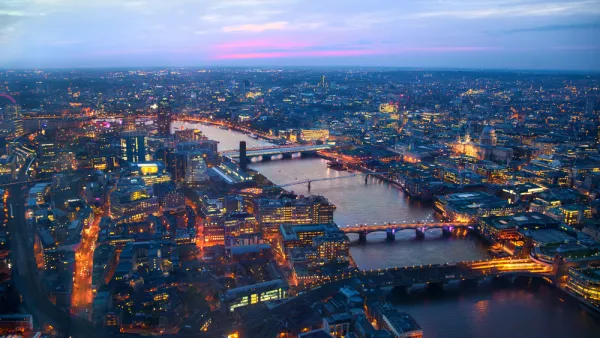
Around the Globe, Urban Diversity Is Alive and Well
It might feel like the world is shrinking as globalization expands, but many cities still have their individual characters and qualities.

Small Clubs Make Creative Hubs: the Importance of Live Music Venues
Cities like London are losing their creative edge because the small music venues that foster it are being pushed out.
Is Stagnation the Only Alternative to Gentrification?
David Madden laments that our current debate over gentrification, whether bemoaning a loss of authenticity or trumpeting the good that trickles down, "doesn't do justice to everything at stake." He suggests how to reorient the discussion.

Planetizen Federal Action Tracker
A weekly monitor of how Trump’s orders and actions are impacting planners and planning in America.

Amtrak, CN end decades-long dispute with eight-year agreement
The new operating agreement establishes an updated framework for the companies to work together, including processes to resolve disputes.

Northwest rail fans eager for Sept. 30 debut of Amtrak’s Airo fleet
Get ready for that new train smell and more seats. But they won’t go faster or run more frequently on the Cascades route in Washington and Oregon.

Boston sues Trump administration over revoked infrastructure grant
The Trump administration withdrew the infrastructure grant because less than 1% of the money would go to electric vehicle charging infrastructure.

NYC to turn city-owned property into thousands of homes
The city has scheduled a public hearing regarding the development for October.

Buses travel at 5mph along this route in NYC. The Bronx's first-ever busway looks to change that
Prior to the busway, buses on the Bx36 route traveled as slowly as 5 miles per hour.

FREE Course: Walkable City 1: Why Walkability?
After describing his path towards focusing on walkability as the essence of good planning, Jeff Speck marches through his five principal reasons for making more walkable places.
Reinventing Malls: Planning Alchemy—Turning Gray Fields Into Gold
The course focuses on the opportunities and imperatives that shape reinvention of mall sites.

City of Thousand Oaks
City of Wisconsin Rapids
Harvard University Graduate School of Design
The Architects Foundation
University of Cincinnati Online
The Pocatello Development Authority
The Urban Renewal Agency of the City of Pocatello