Utilizing the largest data release of its kind, researchers at IBM have analyzed the location information from 500,000 cell phones to help optimize the routing of buses in Ivory Coast's largest city of Abidjan.


"Researchers at IBM, using movement data collected from millions of cell-phone users in Ivory Coast in West Africa, have developed a new model for optimizing an urban transportation system," reports David Talbot. "The IBM model prescribed changes in bus routes around the around Abidjan, the nation’s largest city. These changes—based on people’s movements as discerned from cell-phone records—could, in theory, slash travel times 10 percent."
"The IBM work was done as part of a research challenge dubbed Data for Development, in which the telecom giant Orange released 2.5 billion call records from five million cell-phone users in Ivory Coast."
"IBM calls its model AllAboard. For Abidjan, the model selected among 65 possible improvements to conclude that adding two routes and extending an existing one would do the most to optimize the system, with a 10 percent time savings for commuters."
Read the full story: African Bus Routes Redrawn Using Cell-Phone Data


Good Transit Is Simple: Lessons in Good Route Design
Avoid loops, limit deviations, space stops appropriately, and respect layovers.
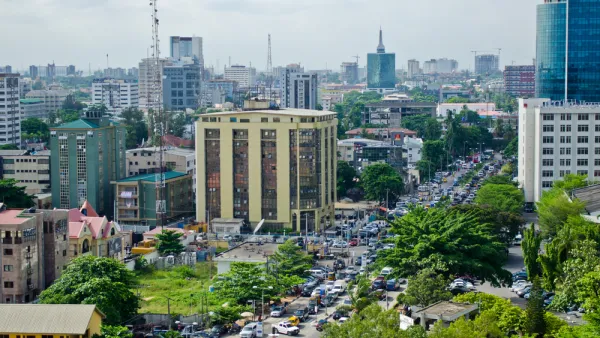
Urban Development in African Cities
Rising populations and political challenges complicate the future development of Africa's major metropolitan centers.

Freedom and Liberty Through Public Transit?
In PlanPhilly, a discussion on Jarrett Walker's brand of humanities-infused transit planning. The wonky stuff is all well and good, but in the end it's all about simple access and freedom of movement.

Planetizen Federal Action Tracker
A weekly monitor of how Trump’s orders and actions are impacting planners and planning in America.

‘Going backwards:’ Baltimore mayor, students rally against state's transit funding plan
Maryland's proposed six-year plan provides no funding for Baltimore’s BMORE bus program and reduces its road maintenance funding.

Detroit to transform waterfront with $2.2 billion investment
Developers will convert about 18 acres of unused parking lot space into civic spaces.

Data center developers are using lawsuits, cash offers to ‘overwhelm’ rural America
Newsrooms in five states worked together to uncover the tactics big tech developers use to buy land from reluctant communities.

U.S.-Iran war may have ‘devastating’ impact on cost to warm homes
Vermont and Maine residents may see a 76% increase in the cost of warming their homes this winter.

Senate bill would ‘overhaul’ environmental permitting laws
Under the proposed act, government agencies would also not be able to suspend or rescind permits after granting them.

FREE Course: Walkable City 1: Why Walkability?
After describing his path towards focusing on walkability as the essence of good planning, Jeff Speck marches through his five principal reasons for making more walkable places.
Reinventing Malls: Planning Alchemy—Turning Gray Fields Into Gold
The course focuses on the opportunities and imperatives that shape reinvention of mall sites.

One Hundred Miles
County of Mendocino
planning NEXT
The Architects Foundation
University of Cincinnati Online
Montrose County
Northern Illinois Transit Authority (NITA)
The Pocatello Development Authority