The George W. Bush Presidential Center, which was dedicated this past week, is a rare glimpse into the former president’s understanding of his own legacy, writes Henry Grabar.


The building, which sits on the Georgian revival-dominated campus of Southern Methodist University, was designed by architect Robert A. M. Stern. “I wanted it to have the Texas feel that this building does because that’s where we’re from,” Laura Bush explained. The building was constructed largely of local materials, including Texas Cordova Cream limestone and mesquite floors.
“I also wanted the building to be modern-looking, to be forward-looking because George was president during the very first decade of our new century,” the former first lady explained. But while the LEED Platinum-certified structure may be on the cutting edge of sustainable design, its architecture is hardly avant garde. Its rectilinearity recalls 1930s Italian architecture and nineteenth-century New England mill towns. Other precedents include the Temple of Queen Hatshepsut and Karl Friedrich Schiller’s Schauspielhaus.
In his design for the presidential library, Stern succeeded in capturing some of the contradictions at the heart of George W. Bush’s self-image: compassion and conservatism, warmth and firmness.
Read the full story: An Architectural Reflection of George W. Bush

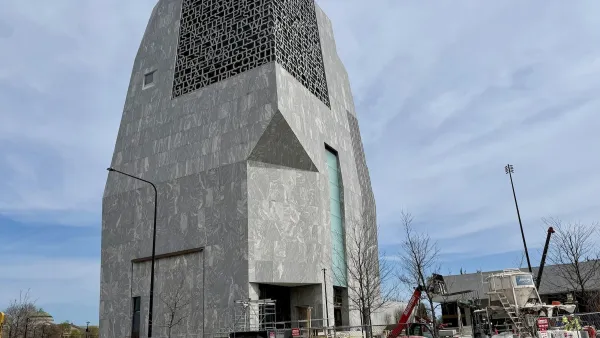
Short-term rental licenses grew by 46% near Obama Center as affordable homes disappear
The Chicago ward where the Obama library is located is one of the only parts of the city to see an increase in STR licenses.
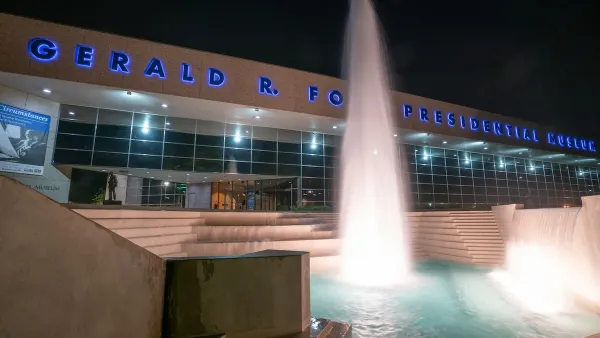
How Transit-Accessible are Presidential Museums?
Most Presidential libraries and museums have some transit accessibility, but none are in big-city downtowns.
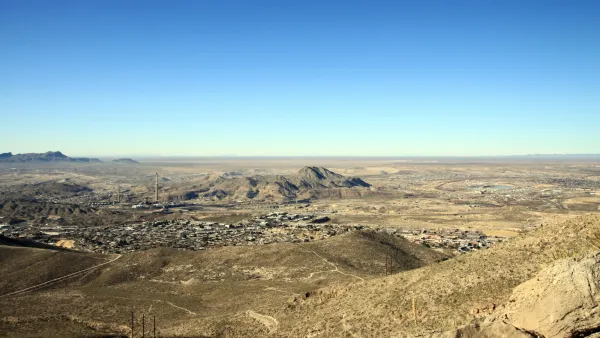
State Budget Delivered Blow to Impoverished Texas Exurbs
Along the Mexican border, Texas "colonias" have often gone without basic infrastructure. Saying it'll cut bureaucracy, Governor Greg Abbott removed funding for a program that helps residents access government services.

Planetizen Federal Action Tracker
A weekly monitor of how Trump’s orders and actions are impacting planners and planning in America.

‘Going backwards:’ Baltimore mayor, students rally against state's transit funding plan
Maryland's proposed six-year plan provides no funding for Baltimore’s BMORE bus program and reduces its road maintenance funding.

Detroit to transform waterfront with $2.2 billion investment
Developers will convert about 18 acres of unused parking lot space into civic spaces.

Data center developers are using lawsuits, cash offers to ‘overwhelm’ rural America
Newsrooms in five states worked together to uncover the tactics big tech developers use to buy land from reluctant communities.

U.S.-Iran war may have ‘devastating’ impact on cost to warm homes
Vermont and Maine residents may see a 76% increase in the cost of warming their homes this winter.

Senate bill would ‘overhaul’ environmental permitting laws
Under the proposed act, government agencies would also not be able to suspend or rescind permits after granting them.

FREE Course: Walkable City 1: Why Walkability?
After describing his path towards focusing on walkability as the essence of good planning, Jeff Speck marches through his five principal reasons for making more walkable places.
Reinventing Malls: Planning Alchemy—Turning Gray Fields Into Gold
The course focuses on the opportunities and imperatives that shape reinvention of mall sites.

One Hundred Miles
County of Mendocino
planning NEXT
The Architects Foundation
University of Cincinnati Online
Montrose County
Northern Illinois Transit Authority (NITA)
The Pocatello Development Authority