Despite the end of the recession, the number of New Yorkers in, or near, poverty continues to creep up, with 46 percent of the city's residents making less than 150 percent of the poverty threshold, reports Sam Roberts.


"The rise in New York City’s poverty rate as a result of the recession has apparently eased, but not before pushing nearly half of the city’s population into the ranks of the poor or near-poor in 2011, according to an analysis by the Bloomberg administration," writes Roberts.
"The city’s analysis warned that cutbacks in federal programs could threaten any recovery and place pressure on the next mayor to maintain or expand public assistance," he adds.
“The next mayor is going to face a very difficult budget situation in which he or she will struggle to maintain basic services and have little room to expand welfare-related programs or services to needy New Yorkers, a fiscal situation that is getting very little attention in the current mayoral race,” said Steven Malanga, a senior fellow at the Manhattan Institute for Policy Research, a conservative group.
Read the full story: City Report Shows a Growing Number Are Near Poverty

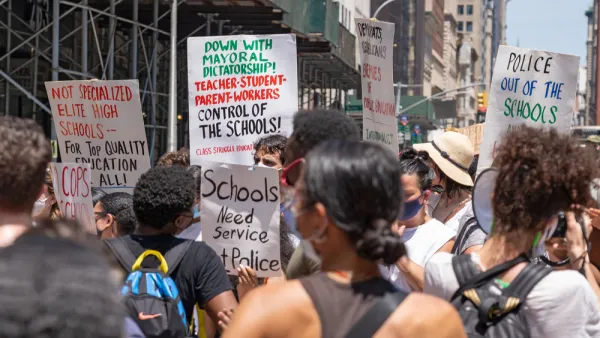
Columnist: New York City Needs Economic Recovery Strategies Other Than Gentrification
It's a tale of two cities as New York starts to emerge from the pandemic.
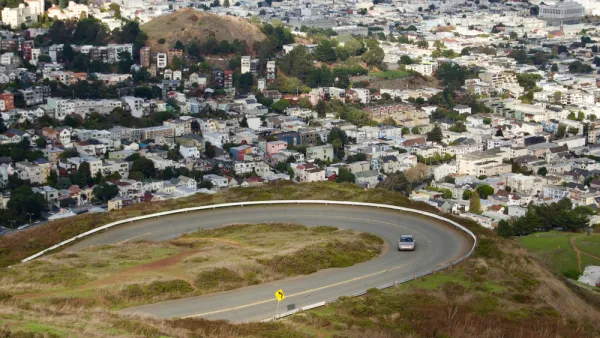
Economic Independence or Auto Dependency?
A new study calls for "universal auto access" to combat poverty. It recommends subsidizing auto ownership or access for those who are economically unable to afford the high cost of owning, maintaining, and operating a personal motor vehicle.

OneNYC Plan Released in New York
Meet the new plan; it's not like the old plan.

Planetizen Federal Action Tracker
A weekly monitor of how Trump’s orders and actions are impacting planners and planning in America.
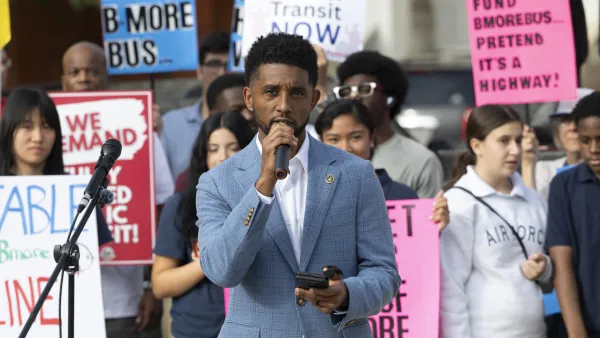
‘Going backwards:’ Baltimore mayor, students rally against state's transit funding plan
Maryland's proposed six-year plan provides no funding for Baltimore’s BMORE bus program and reduces its road maintenance funding.

Detroit to transform waterfront with $2.2 billion investment
Developers will convert about 18 acres of unused parking lot space into civic spaces.

Data center developers are using lawsuits, cash offers to ‘overwhelm’ rural America
Newsrooms in five states worked together to uncover the tactics big tech developers use to buy land from reluctant communities.

U.S.-Iran war may have ‘devastating’ impact on cost to warm homes
Vermont and Maine residents may see a 76% increase in the cost of warming their homes this winter.

Senate bill would ‘overhaul’ environmental permitting laws
Under the proposed act, government agencies would also not be able to suspend or rescind permits after granting them.

FREE Course: Walkable City 1: Why Walkability?
After describing his path towards focusing on walkability as the essence of good planning, Jeff Speck marches through his five principal reasons for making more walkable places.
Reinventing Malls: Planning Alchemy—Turning Gray Fields Into Gold
The course focuses on the opportunities and imperatives that shape reinvention of mall sites.

One Hundred Miles
County of Mendocino
planning NEXT
The Architects Foundation
University of Cincinnati Online
Montrose County
Northern Illinois Transit Authority (NITA)
The Pocatello Development Authority