The post office and the church are just two of the many building types which once occupied central places in our communities, but have become obsolete due to cultural, economic, and demographic shifts. To what lengths should we go to preserve them?


Fanis Grammenos pens an essay in which he examines recent efforts to protect America's historic post office buildings facing closure and sale, and ties the movement to a larger debate about the appropriateness of subsidies for preservation and adaptive re-use.
"Certainly, the loss of these buildings signals the decline of an economic sector and inevitable job losses. Is it possible, though, that the focus on post office buildings overlooks contemporary urbanism? Could it signal inattention to the evolution of 'community,' and an obsession with the 19th century?"
"The loss of post office, church and pub buildings does not stem from some wrongheaded, antisocial planning philosophy that needs to be debunked, denigrated and disposed of," argues Grammenos. "It is simply symptomatic of cultural, technological and economic shifts that go way beyond the realm of urban planning."
Read the full story: Does the Post Office Deliver in Today's Urban Culture?

Slowing the Rush to Sell Historic Post Offices
Outcry over the potential sale of post offices in Berkeley and the Bronx has prompted those areas’ respective Congressional representatives to seek federal legislation to put the brakes on the Postal Service’s rush to sell historic properties.
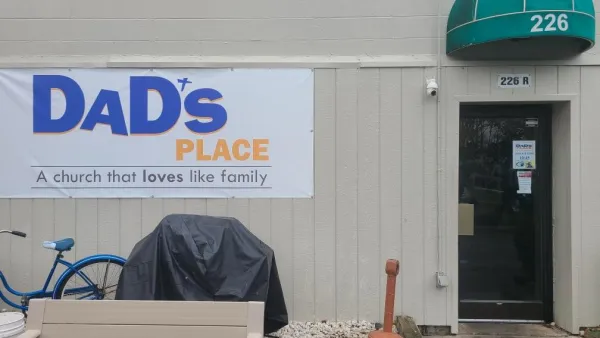
Ohio City Refiles Charges Against Pastor for Zoning Code Violations
After a judge-mediated agreement between Bryan, Ohio, and the Dad’s Place over zoning code and fire code violations, the city has once again filed criminal charges against the pastor.
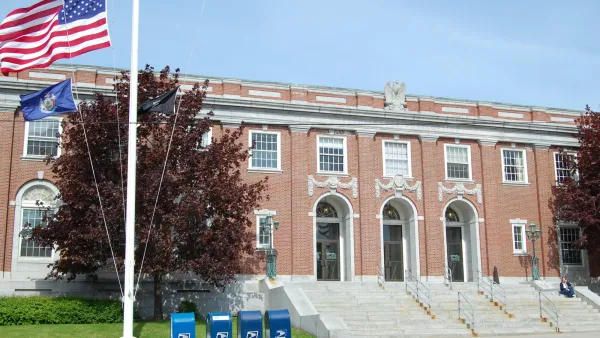
If the Postal Service Erodes, So Does American Life
An urban designer argues that protecting the U.S. Postal Service is crucial for maintaining civic values, social ties, and urban life.

Planetizen Federal Action Tracker
A weekly monitor of how Trump’s orders and actions are impacting planners and planning in America.

The state-sanctioned urbicide of Austin
People don’t kill cities. Freeways do.

Colorado’s Largest Data Center Could Rise Next to Homes — Without a Public Hearing
The proposed campus would consume 11 times the power of Denver International Airport; as it has across the country, opposition mounts.

Judges permit Denver to divert 77,000 acre feet from the Colorado River for reservoir expansion
Overuse and climate change have caused the Colorado River’s water levels to plummet.
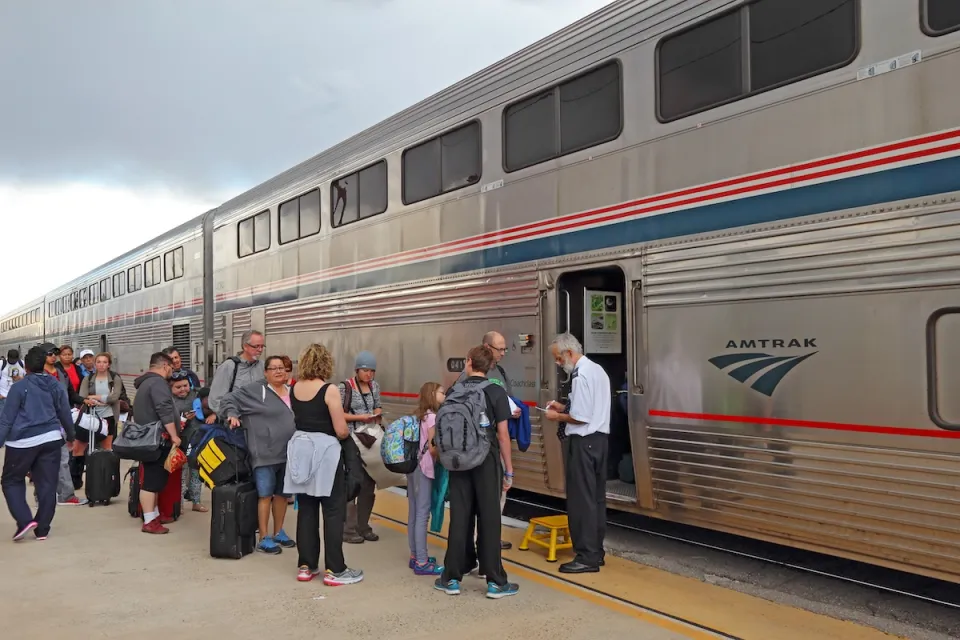
Amtrak, CN end decades-long dispute with eight-year agreement
The new operating agreement establishes an updated framework for the companies to work together, including processes to resolve disputes.
Raised interest rates may kill financially vulnerable construction projects
The chief economist at ConstructConnect warns that if construction project owners are negatively impacted by the raised rates, it could result in delayed payments to contractors.

FREE Course: Walkable City 1: Why Walkability?
After describing his path towards focusing on walkability as the essence of good planning, Jeff Speck marches through his five principal reasons for making more walkable places.
Reinventing Malls: Planning Alchemy—Turning Gray Fields Into Gold
The course focuses on the opportunities and imperatives that shape reinvention of mall sites.

Greater Baltimore Committee
Eagle County Government
Harvard University Graduate School of Design
The Architects Foundation
University of Cincinnati Online
The Pocatello Development Authority
The Urban Renewal Agency of the City of Pocatello
Journal of the American Planning Association