A new report indicates that carbon dioxide emissions in the U.S. have fallen by 13% in the past five years. The last time carbon emissions were this low, Ace of Base was topping the charts and "Pulp Fiction" was reviving the career of John Travolta.


Suzanne Goldenberg discusses the findings of a report compiled by Bloomberg New Energy Finance (BNEF) for the Business Council for Sustainable Energy (BCSE), which attributed the drop to "new energy-saving technologies and a doubling in the take-up of renewable energy."
"As described by Bloomberg, the US is in the throes of a major shift in energy production. Coal fell to just 18.1% of America's energy mix last year, down from 22.5% in 2007. Oil use also declined." At the same time total energy use fell. "Most of the emissions cuts were due to installing more efficient heating and cooling systems in commercial building. Other cuts in emission came from transport, with 488,000 Americans last year opting for hybrid and plug-in vehicles."
"By the end of last year," she notes, "America's emissions of carbon dioxide and other greenhouse gas emissions had fallen 10.7% from the 2005 baselines."
"The reduction in climate pollution – even as Congress failed to act on climate change – brings America more than halfway towards Barack Obama's target of cutting emissions by 17% from 2005 levels over the next decade, the Bloomberg analysts said."
Read the full story: US carbon emissions fall to lowest levels since 1994


How Smart Street Lights Can Help Cities Achieve Sustainability Goals
Switching to energy-efficient LEDs and using tech to program when and how street lighting operates can save cities millions in electricity expenses and bring down carbon emissions.
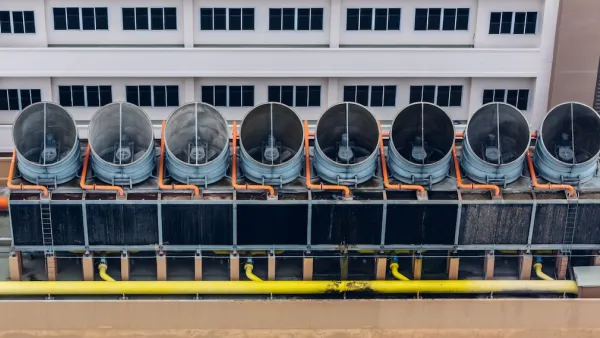
Data Center Emissions Far Outpace Tech Company Claims
In-house data centers owned by several major tech companies likely produce over six times as many greenhouse gas emissions as their owners estimate.
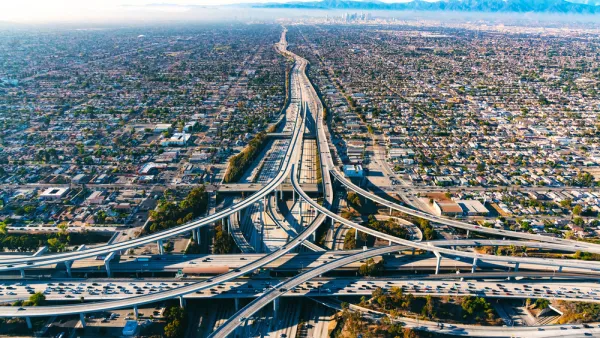
How Urban Sprawl Came To Dominate U.S. Cities—And How To Change That
The auto-centric development patterns of American cities are a result of decades of misguided, but reversible, policy decisions.

Amtrak, CN end decades-long dispute with eight-year agreement
The new operating agreement establishes an updated framework for the companies to work together, including processes to resolve disputes.

Judges permit Denver to divert 77,000 acre feet from the Colorado River for reservoir expansion
Overuse and climate change have caused the Colorado River’s water levels to plummet.
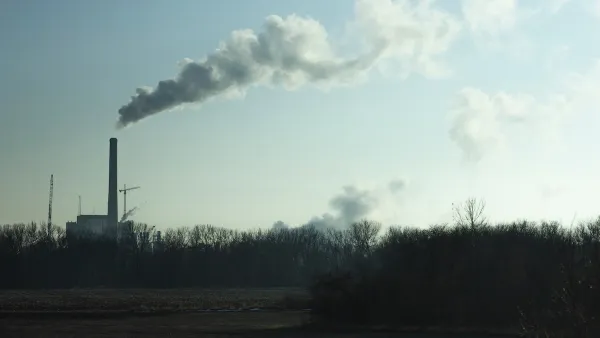
Nation's most wind-powered state turns to coal as data centers increase energy demand
For the first time in decades, Iowa has increased its generation of coal power.

Boston has spent millions making the Green Line more accessible — and there’s no end in sight
While the city has invested millions into expanding and adding platforms to the Green Line to make it more accessible, new train cars set to arrive next year will be too tall for disabled passengers to board without raising the current platforms.

Idaho may see an 18% drop in federal surface transit funding — the largest estimated cut in the US
Transit systems in rural communities are much more reliant on federal funding to provide their services.

How ‘post-disaster gentrification’ alters neighborhoods after natural calamities
After hurricanes, fires or other calamities, the original residents of a community are often replaced by younger, wealthier residents.

FREE Course: Walkable City 1: Why Walkability?
After describing his path towards focusing on walkability as the essence of good planning, Jeff Speck marches through his five principal reasons for making more walkable places.
Reinventing Malls: Planning Alchemy—Turning Gray Fields Into Gold
The course focuses on the opportunities and imperatives that shape reinvention of mall sites.

City of Wisconsin Rapids
Harvard University Graduate School of Design
KFH Group Inc.
The Architects Foundation
University of Cincinnati Online
The Pocatello Development Authority
The Urban Renewal Agency of the City of Pocatello