Across America, arcane zoning regulations and building codes prevent some of the most promising sustainable techniques and technologies from being built. A project based in Oregon aims to make land use regulations friendlier for greener building.


Michael Coren writes about the ReCode project, an initiative run by around 50 volunteers that, "works to legalize sustainable practices for our built environment
through mobilizing the grassroots to work directly with regulators to
transform codes and regulations."
Born out of Tryon Life Community Farm's frustrations in "trying to demonstrate innovative environmentally conscious design in Portland," ReCode has used a rigorous process to legalize green design one regulation at a time. "Their successes
so far (since 2007) include legalizing graywater reuse, site-built
composting toilets, and broadening the number of manufactured composting
toilets permitted for use in Oregon," notes Coren.
As he points out, such efforts aren't limited to the Pacific Northwest. "Cities such as Philadelphia, Boston, and New York are clearing away old codes to make way for new urban farms and renewable energy."
Read the full story: Your Green Dream House Might Be Illegal

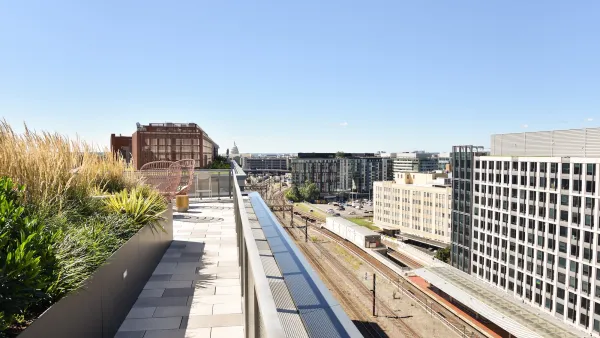
DC energy efficiency rule requires buildings to upgrade their infrastructure or face millions in fines
Building owners and condo co-op members say the upgrades are often prohibitively expensive.

Florida Lawmakers to Reconsider 2024 Law Blocking Local Resilience Efforts
Legislators are proposing changes to a bill that froze all local land use and building code changes, including those designed to reduce risks from flooding and hurricanes.
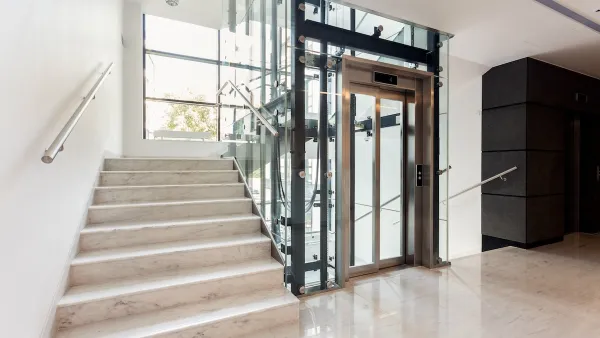
Single-Stair Design Contest Envisions Human-Scale Buildings
Single-stair building construction is having a resurgence in the United States, where, for the last several decades, zoning codes have required more than one staircase in multi-story housing developments.

Planetizen Federal Action Tracker
A weekly monitor of how Trump’s orders and actions are impacting planners and planning in America.

Amtrak, CN end decades-long dispute with eight-year agreement
The new operating agreement establishes an updated framework for the companies to work together, including processes to resolve disputes.

Northwest rail fans eager for Sept. 30 debut of Amtrak’s Airo fleet
Get ready for that new train smell and more seats. But they won’t go faster or run more frequently on the Cascades route in Washington and Oregon.

St. Louis Metro to test if single-car trains can reduce operating costs, maintain rider satisfaction
The pilot program will run from October to spring 2027, and begin with one single-car train operating on Metrolink’s Red and Blue lines.

Pennsylvania is building data centers in abandoned mines
Housing data centers in mines provides an alternative to destroying local forests and may spare residents from data centers’ noise and air pollution.

If Corpus Christi can’t revive desalination plant project, it may owe Texas $235 million
Earlier this month, city officials declined to pursue developing the plant for the second time in a year.

FREE Course: Walkable City 1: Why Walkability?
After describing his path towards focusing on walkability as the essence of good planning, Jeff Speck marches through his five principal reasons for making more walkable places.
Reinventing Malls: Planning Alchemy—Turning Gray Fields Into Gold
The course focuses on the opportunities and imperatives that shape reinvention of mall sites.

City of Thousand Oaks
City of Wisconsin Rapids
Harvard University Graduate School of Design
The Architects Foundation
University of Cincinnati Online
The Pocatello Development Authority
The Urban Renewal Agency of the City of Pocatello