Enrique Zaldivar, Director of the Bureau of Sanitation, explains the city's efforts to maintain public health and promote water conservation. As urban areas guard natural resources and urban environments, L.A. presents some successful first steps.


Enrique Zaldivar, Director of the Los Angeles City Bureau of Sanitation, had a conversation this month with The Planning Report on the status of the Bureau's efforts to improve the quality of life and water across the City of Los Angeles. Leading a staff of 2800, Zaldivar's Bureau has managed to significantly reduce the number of spills occuring each year in L.A. and is taking bold steps in updating the hidden infrastructure for the 21st century.
A sanitation department plays one of the most important roles in maintaining a functioning and healthy city. As Americans deal with less reliable water sources, the L.A. Bureau of Sanitation demonstrates where efficiencies can be found and where the potential for reuse lies. Sanitation's part in cleaning up Los Angeles' notorious Skid Row also demonstrates the immediate and dramatic impact local government may have on the urban environment.
Thanks to Kevin Madden
Read the full story: Enrique Zaldivar Chronicles City of Los Angeles Bureau of Sanitation’s Success

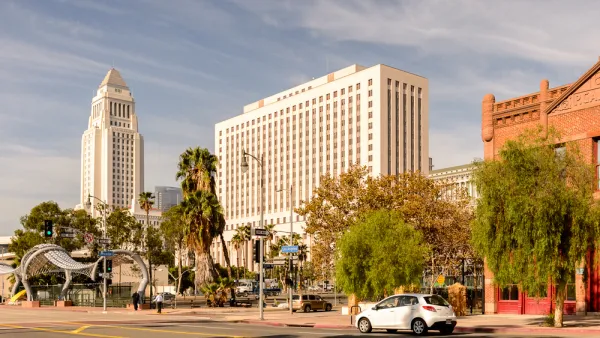
Sent A Strong Message, Los Angeles Leaders Respond With Planning Reforms
In the aftermath of the Measure S vote, members of the Los Angeles City Council have responded by pushing for expediting community plan updates and finding a sustainable source of funding for updating the region's plans.

Annual LA River CleanUp Invites Residents to Protect Local Ecosystems
The Friends of the Los Angeles River will host its 34th Annual LA River CleanUp on October 5, inviting residents to help beautify the river, prevent litter from reaching the ocean, and promote equitable access to green spaces.
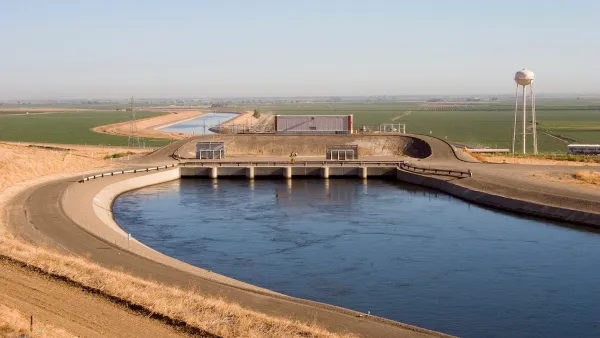
California’s 2024 Drinking Water Needs Assessment Reveals Critical Issues in Public Water Systems
The assessment identifies 385 failing public water systems and highlights significant funding gaps and affordability challenges in ensuring safe drinking water for disadvantaged communities.

Planetizen Federal Action Tracker
A weekly monitor of how Trump’s orders and actions are impacting planners and planning in America.

Amtrak, CN end decades-long dispute with eight-year agreement
The new operating agreement establishes an updated framework for the companies to work together, including processes to resolve disputes.

Judges permit Denver to divert 77,000 acre feet from the Colorado River for reservoir expansion
Overuse and climate change have caused the Colorado River’s water levels to plummet.

Idaho may see an 18% drop in federal surface transit funding — the largest estimated cut in the US
Transit systems in rural communities are much more reliant on federal funding to provide their services.

How ‘post-disaster gentrification’ alters neighborhoods after natural calamities
After hurricanes, fires or other calamities, the original residents of a community are often replaced by younger, wealthier residents.

Maryland local governments examine if they should have more power to raise property taxes
Maryland’s housing market is out of reach for the majority of moderate-income residents.

FREE Course: Walkable City 1: Why Walkability?
After describing his path towards focusing on walkability as the essence of good planning, Jeff Speck marches through his five principal reasons for making more walkable places.
Reinventing Malls: Planning Alchemy—Turning Gray Fields Into Gold
The course focuses on the opportunities and imperatives that shape reinvention of mall sites.

Harvard University Graduate School of Design
KFH Group Inc.
Greater Baltimore Committee
The Architects Foundation
University of Cincinnati Online
The Pocatello Development Authority
The Urban Renewal Agency of the City of Pocatello