In a short video, part comedy/part anthropological study, The New York Times documents "The Subway Shuffle": that "daily gamble" as NYC commuters dash "to victory, or despair" between local and express trains arriving on the same platform.


Matt Flegenheimer describes the complicated calculus performed daily by riders of the N, R or Q trains, traveling uptown
through Midtown Manhattan, which is caused by an MTA dispatching quirk.
"Every morning, during peak commuting periods, two trains often arrive at
about the same time. Sometimes the express leaves first. Sometimes it
is the local. Sometimes at least two local trains will depart before a
single express does. Sometimes they move together. And virtually every
time there is a decision to be made, riders scamper across the platform,
groping for a competitive travel advantage even as they are unsure why
they have made their choice."
"It's a gamble that you take," Michelle Price, 34, an investment
adviser, said of the dash. "Sometimes you win; sometimes you don't."
"But there is often a deeper indignity conveyed in the expression of the
blundering traveler - a rare unguarded moment, when many others are
spent with faces buried in iPod playlists or other reading material.
Heads shake. Eyes roll. Teeth clench. Sometimes, someone chuckles in
resignation. They have gambled, and the city has won."
Read the full story: In Commuters’ Daily Gamble, Dashing to Victory, or Despair
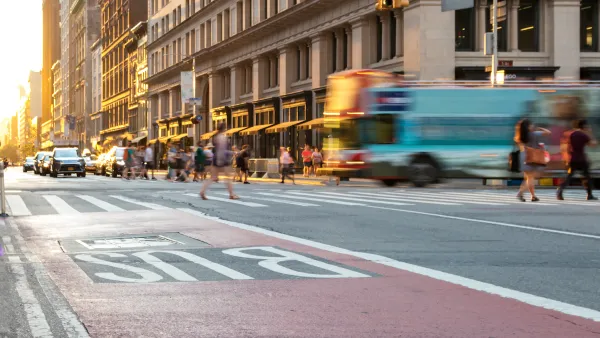
New York Officials Back Down on Bus Lane Plans
Proposed bus improvements in the Bronx are the latest casualty of opposition.
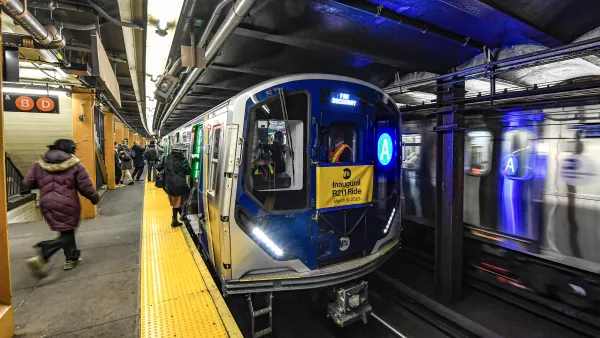
Fancy New Subway Cars Join the New York Subway System
New York has been planning on adding these new subway cars for years, finally achieving their goal in March 2023. More than a thousand of the new R211 trains will be running in New York within two years if all goes according to plan.
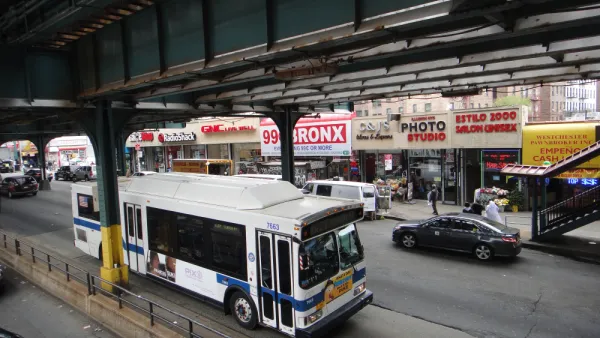
Changes to Local Service in the Bronx Benefit Bus Speeds, Ridership
Another example of how improving bus service design can benefit transit riders and transit systems emerges in New York City. More such local system redesigns are on the way soon in the Big Apple.

Planetizen Federal Action Tracker
A weekly monitor of how Trump’s orders and actions are impacting planners and planning in America.

California plans to bury El Niño’s downpour
If the state plays its cards right, it may be able to store a billion acre-feet of El Niño’s water in aquifers.

Desperate measures: Advocates weigh draining Lake Powell to fill Colorado River
Draining the reservoir could reduce evaporation losses by a couple hundred thousand acre-feet.

Los Angeles just elected an urban planner as its mayor
Transportation analysts are optimistic that Raman will be more aggressive in addressing transit issues than Bass.

Mamdani’s pied-à-terre tax survives legal challenge
A panel of judges found that the plaintiffs failed to demonstrate injury as a result of New York City's implementation of the tax.

Eastern Nebraska is running out of electricity
Data centers and electrification are straining eastern Nebraska’s grid, throttling economic development.

FREE Course: Walkable City 1: Why Walkability?
After describing his path towards focusing on walkability as the essence of good planning, Jeff Speck marches through his five principal reasons for making more walkable places.
Reinventing Malls: Planning Alchemy—Turning Gray Fields Into Gold
The course focuses on the opportunities and imperatives that shape reinvention of mall sites.

City of Rosemead
Rutgers University, Edward J. Bloustein School of Planning and Public Policy
One Hundred Miles
University of Michigan School for Environment and Sustainability (SEAS)
Hunter College, City University of New York (CUNY)
The Architects Foundation
City of Cambridge
Montrose County
The Pocatello Development Authority