Sarah Henry spotlights "The Weight of the Nation," a new series airing this week on HBO that explores obesity and its enormous economic, emotional, social, and health costs.


In four episodes that premiered this week, The Weight of the Nation: Confronting America's Obesity Epidemic,
"serves as a clarion call to the country to take action - and fast - to
combat this pernicious, complex problem that has myriad root causes." As we've mentioned before, there is a direct correlation between our development patterns and our emerging health crises. While not all of the episodes in this program are place-based, the intersection between the built environment and obesity are explored. As Henry notes, "in the final installment we meet a Nashville mayor trying to help his city get healthy and a Latino community in Santa Ana, Calif., whose members spend years advocating for a play space for their children."
"Despite the familiar territory, this viewer gives the filmmakers points
for framing the issue in a fresh, visually compelling way through astute
story selection," writes Henry. "Some critics (including those who have yet to watch the series) worry that The Weight of the Nation only fans fear, stereotypes fat folk, and doesn't go after the real villain in the war against weight:
the food and beverage industry. But from this critic's perspective, the
program doesn't lay shame and blame at the feet of the overweight and
obese people it features. On the contrary, it presents their struggles
in a sympathetic and non-judgmental light, revealing how hard the body
fights weight loss despite good intentions, and how current social,
economic, and government systems sabotage Americans' attempts to stay
healthy."
Read the full story: ‘Weight of the Nation’ takes a realistic look at a looming crisis

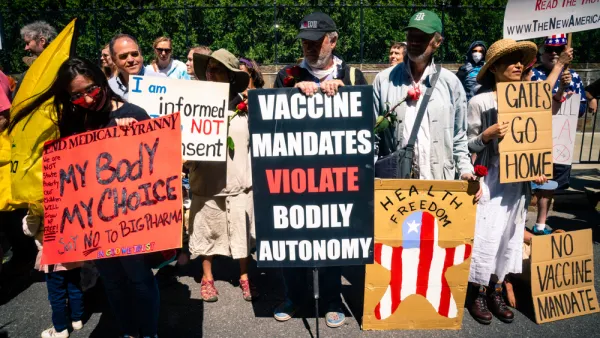
The Shifting Demographics of Covid-19
For most of the Covid-19 pandemic, Black Americans died at much higher rates than White Americans. That trend has reversed at times during the past year.
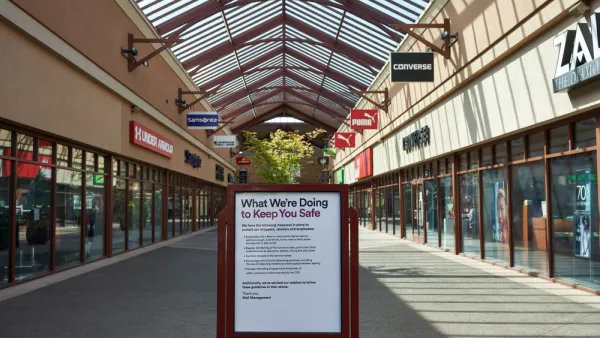
What's So Special About Oregon and Utah?
These two Western states did something that none of the 20 other states in the nation going the wrong way in the pandemic have yet to do: they paused their reopening plans due to rising coronavirus infections and hospitalizations.
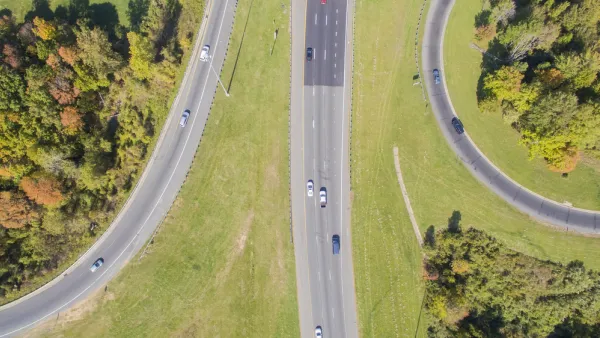
Obesity Tied to Suburban Life
London-based study ties obesity to sprawl and finds that suburbs have a bigger obesity problem than rural areas.

Planetizen Federal Action Tracker
A weekly monitor of how Trump’s orders and actions are impacting planners and planning in America.

‘Going backwards:’ Baltimore mayor, students rally against state's transit funding plan
Maryland's proposed six-year plan provides no funding for Baltimore’s BMORE bus program and reduces its road maintenance funding.

Detroit to transform waterfront with $2.2 billion investment
Developers will convert about 18 acres of unused parking lot space into civic spaces.

HUD modernizes 50-year-old manufactured housing framework
The Next Generation Manufactured Housing Action Plan establishes new energy-efficiency standards for manufactured homes, and new guidelines for anchoring them.

New CA housing laws tear down development red tape
Recently-signed legislation makes building starter homes and ADUs cheaper and faster in California.

Metrolink finishes first expansion in 20 years
The transit agency is now one of very few in the United States to connect two major airports.

FREE Course: Walkable City 1: Why Walkability?
After describing his path towards focusing on walkability as the essence of good planning, Jeff Speck marches through his five principal reasons for making more walkable places.
Reinventing Malls: Planning Alchemy—Turning Gray Fields Into Gold
The course focuses on the opportunities and imperatives that shape reinvention of mall sites.

One Hundred Miles
County of Mendocino
planning NEXT
The Architects Foundation
University of Cincinnati Online
Montrose County
Northern Illinois Transit Authority (NITA)
The Pocatello Development Authority