The next wave in shareable transportation is coming to San Francisco. Ariel Schwartz reports on the "Zipcar of electric scooters".


Hoping to capitalize on the growing interest in collaborative consumption, as well as a renewed interest in electric vehicles, CEO Michael Keating will launch Scoot Networks in the coming month. The start-up will begin with a small fleet of 20 or so scooters dedicated to private companies but plans to grow their market rapidly to reach the larger public. Scoot Network intends to make ridership simple and affordable by offering training for inexperienced drivers, and, in the future, stations that can accept scooter returns that were picked up elsewhere in the city.
The Bay Area's innovative culture, combined with it's transportation challenges are what made it appealing for the launch of Scoot Network. Assuming they see success in San Francisco, cities across the U.S. may start seeing scooter stations popping up. As Keating points out, "[Scooters] are the cheapest form of motorized transportation in the world."
Thanks to Jessica Brent
Read the full story: The Zipcar of Electric Scooters Is Coming To San Francisco
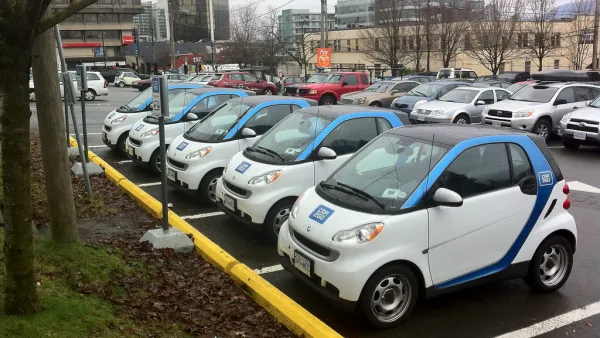
Car2Go Pulls Out of Five North American Cities
As the company plans to cease operations in a number of markets, carsharing’s future in the rapidly shifting world of mobility is unclear.
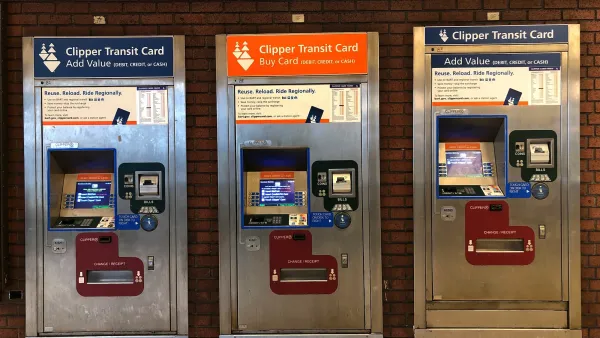
Bay Area transit loses $1M per month on credit card fees
As more people use mobile payments to pay their fares, transit agencies are spending more on transaction fees.
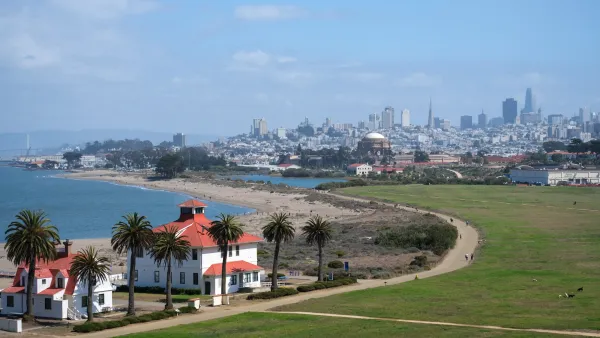
Bay Area 2050+ Plan Prepares Region for Nearly 5 Feet of Sea Level Rise
The regional plan includes its first ever resilience project list, prioritizing infrastructure projects that can protect the area from sea level rise.

Planetizen Federal Action Tracker
A weekly monitor of how Trump’s orders and actions are impacting planners and planning in America.

Eastern Nebraska is running out of electricity
Data centers and electrification are straining eastern Nebraska’s grid, throttling economic development.

Study reveals best places in the U.S. for cycling, walking
New research from Streetlight Data examines bicycle and pedestrian miles per capita in the 100 largest U.S. cities by population.

DSA members accuse Mamdani of 'abandoning values' over housing redevelopment
New York City's mayor plans to replace about 2,000 units of public housing with private, mixed-income housing.

All sides of BRT debate unhappy with CDOT’s most recent move
The Colorado Department of Transportation is no longer considering center-running bus lanes for Colorado Boulevard.

Massachusetts bogs generate both power, and cranberries
Putting solar panels above farmland is one way Massachusetts is advancing toward its goal of net-zero carbon emissions by 2050.

FREE Course: Walkable City 1: Why Walkability?
After describing his path towards focusing on walkability as the essence of good planning, Jeff Speck marches through his five principal reasons for making more walkable places.
Reinventing Malls: Planning Alchemy—Turning Gray Fields Into Gold
The course focuses on the opportunities and imperatives that shape reinvention of mall sites.

City of Rosemead
Rutgers University, Edward J. Bloustein School of Planning and Public Policy
One Hundred Miles
University of Michigan School for Environment and Sustainability (SEAS)
Hunter College, City University of New York (CUNY)
The Architects Foundation
City of Cambridge
The Pocatello Development Authority
The Urban Renewal Agency of the City of Pocatello