John McIlwain explores the market for energy efficient housing, and finds growth across the country.


Home builders are beginning to see the attraction of energy efficient design and equipment to buyers and are making them standard features of new homes across the country.
McIlwain looks 10 years into the future and sees that demographic shifts will introduce a generation of more values-driven consumers into the marketplace, which combined with the rising cost of energy, "will lead to homes becoming energy net zero or net plus, linked to the grid and buying and selling as the day goes along. Green will no longer mean being a bit more efficient than before, but will mean that a home uses no net energy (net energy zero) or produces net energy (net energy plus). Homes that still draw all or most of their energy from the grid will see a marked decline in value, just as today's homes that are far from sources of public transit are losing value while homes proximate to transit are holding value."
Read the full story: How Home Builders Are Selling Green

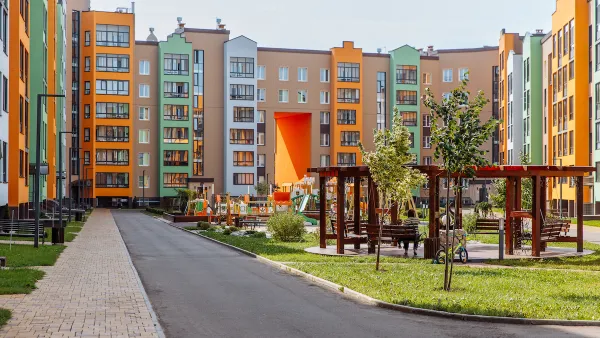
Ten Trends Shaping Affordable Housing
From Passive House design to a broader range of amenities, affordable housing developers are finding new ways to make housing more efficient, comfortable, and flexible for residents.
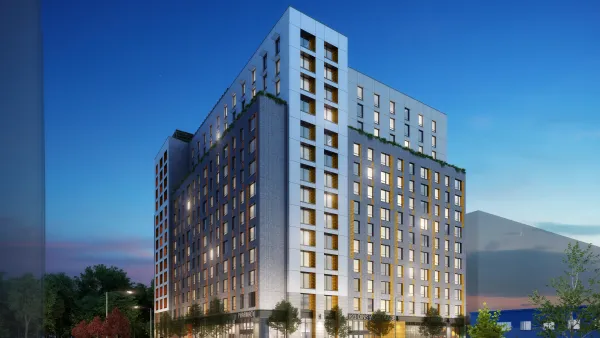
‘Passive House’ Development Brings 275 Affordable, Efficient Units to Brooklyn
A 14-story tower uses the ‘Passive House’ approach to drastically reduce energy use and improve quality of life for residents.
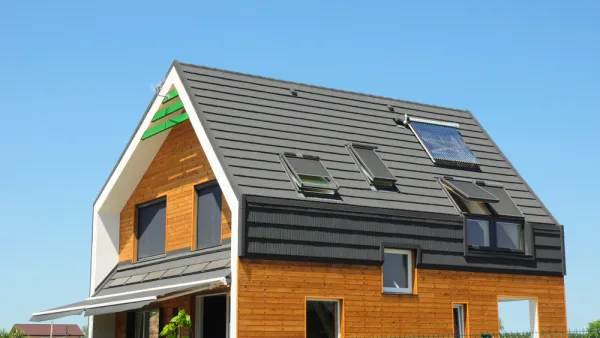
Sustainable and Affordable Housing Is No Longer a Pipe Dream
Fresh interest in green building among investors, new incentives, and stricter building codes are making it more possible to include green building practices in affordable housing production.

Planetizen Federal Action Tracker
A weekly monitor of how Trump’s orders and actions are impacting planners and planning in America.

Amtrak, CN end decades-long dispute with eight-year agreement
The new operating agreement establishes an updated framework for the companies to work together, including processes to resolve disputes.

Judges permit Denver to divert 77,000 acre feet from the Colorado River for reservoir expansion
Overuse and climate change have caused the Colorado River’s water levels to plummet.

How ‘post-disaster gentrification’ alters neighborhoods after natural calamities
After hurricanes, fires or other calamities, the original residents of a community are often replaced by younger, wealthier residents.

Maryland local governments examine if they should have more power to raise property taxes
Maryland’s housing market is out of reach for the majority of moderate-income residents.

Northwest rail fans eager for Sept. 30 debut of Amtrak’s Airo fleet
Get ready for that new train smell and more seats. But they won’t go faster or run more frequently on the Cascades route in Washington and Oregon.

FREE Course: Walkable City 1: Why Walkability?
After describing his path towards focusing on walkability as the essence of good planning, Jeff Speck marches through his five principal reasons for making more walkable places.
Reinventing Malls: Planning Alchemy—Turning Gray Fields Into Gold
The course focuses on the opportunities and imperatives that shape reinvention of mall sites.

Harvard University Graduate School of Design
KFH Group Inc.
Greater Baltimore Committee
The Architects Foundation
University of Cincinnati Online
The Pocatello Development Authority
The Urban Renewal Agency of the City of Pocatello