In New York, Arts for Transit is a program that was started to bring "original and integrated artworks into MTA stations and spaces and to promote design excellence." Director, Sandra Bloodworth sits with Urban Omnibus to discuss the program.


The MTA, in 1982, started a multi-billion-dollar capital improvement program to rehabilitate the transit system. In 1985, as part of the program, they introduced 'Arts for Transit' that promoted design excellence by bringing artworks into the MTA stations.
"Today, 'Arts for Transit' oversees a number of programs that bring visual art and performance to the MTA network. They are most well-known for the Permanent Art program, which incorporates commissioned works of art into capital construction or renovation projects throughout NYC Transit, Metro-North Railroad, Long Island Rail Road and NYC Bridges & Tunnels, according to Urban Omnibus."
When the reporters spoke with Director Sandra Bloodworth, she discusses why 'Arts for Transit' is important.
"It engages the public, but it also sends a huge message that someone truly cares about this space and, accordingly, about the riders...These are works by the same artists you see in museums - Sol LeWitt, Roy Lichtenstein, Elizabeth Murray - but now you can see them on your way to the museums."
Bloodworth also says that "Introducing quality art tells the public that there are all these people invested in the space."
Read the full story: Arts for Transit: A Conversation with Sandra Bloodworth

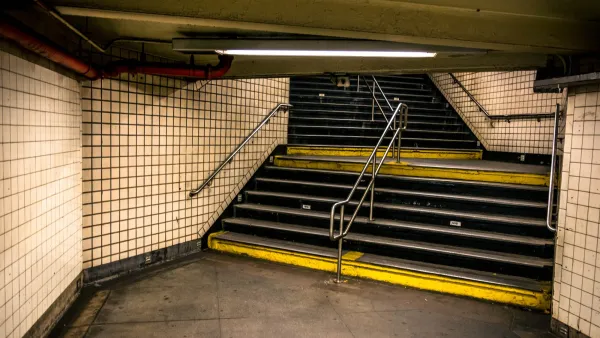
N.Y.C. Initiative Seeks to Connect Homeless on Transit with Social Services
The city is expanding outreach to homeless people in order to move them off the subway and steer them toward housing and social services.
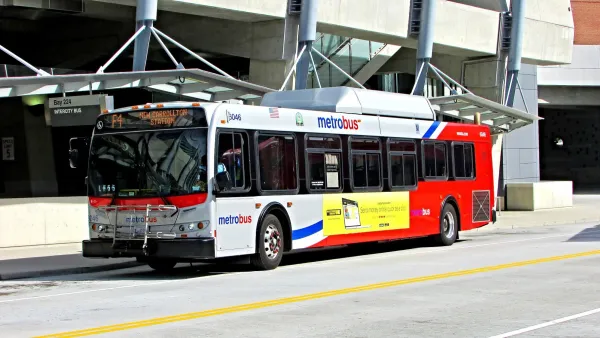
D.C.-Area Residents Want Bus Lanes and Free Transfers, Survey Shows
New survey findings identify transit priorities among residents in D.C. and surrounding areas, and indicate broad support for public investments.
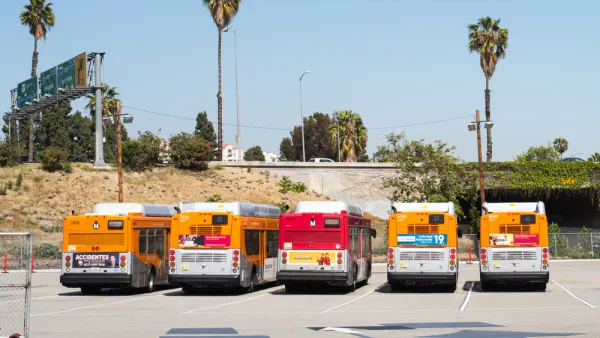
When a Planner Commutes by Bus: Score Card
Commitment gets tested when a dedicated urbanist, transit rider, and L.A. County planner is relocate to a suburban office. Clement Lau shares his thoughts about the good and the bad of riding an L.A. Metro bus.

Planetizen Federal Action Tracker
A weekly monitor of how Trump’s orders and actions are impacting planners and planning in America.

Amtrak, CN end decades-long dispute with eight-year agreement
The new operating agreement establishes an updated framework for the companies to work together, including processes to resolve disputes.

Northwest rail fans eager for Sept. 30 debut of Amtrak’s Airo fleet
Get ready for that new train smell and more seats. But they won’t go faster or run more frequently on the Cascades route in Washington and Oregon.

Brightline Florida files for bankruptcy
The transit company is over $5 billion in debt.

St. Louis Metro to test if single-car trains can reduce operating costs, maintain rider satisfaction
The pilot program will run from October to spring 2027, and begin with one single-car train operating on Metrolink’s Red and Blue lines.

Pennsylvania is building data centers in abandoned mines
Housing data centers in mines provides an alternative to destroying local forests and may spare residents from data centers’ noise and air pollution.

FREE Course: Walkable City 1: Why Walkability?
After describing his path towards focusing on walkability as the essence of good planning, Jeff Speck marches through his five principal reasons for making more walkable places.
Reinventing Malls: Planning Alchemy—Turning Gray Fields Into Gold
The course focuses on the opportunities and imperatives that shape reinvention of mall sites.

City of Thousand Oaks
City of Wisconsin Rapids
Harvard University Graduate School of Design
The Architects Foundation
University of Cincinnati Online
The Pocatello Development Authority
The Urban Renewal Agency of the City of Pocatello