Under New York's Delancey Street lurks 60,000 square feet of vaulted ceilings and cobbled streets, sitting unappreciated in the dark. A group of entrepreneurs have plans to create a subterranean park there.


The bar has been set uncommonly high with the completion of 'the High Line' in July, according to reporter Tom Forster, but no one knows how New Yorkers will react to the idea of 'the Low Line.'
James Ramsey, architect and co-founder of the project, plans to use the Williamsburg Bridge railway terminal under Delancey Street which was abandoned in 1948. Ramsey has mentioned that the use of fibre optic cables is how he plans to channel sunlight throughout the park.
The Delancey Underground is certainly more audacious than the High Line, but is it practical? "It's a totally bizarre, fun idea but I think it makes a lot of natural sense", Ramsay insists.
Read the full story: Forget New York City's High Line. Introducing: The Low Line

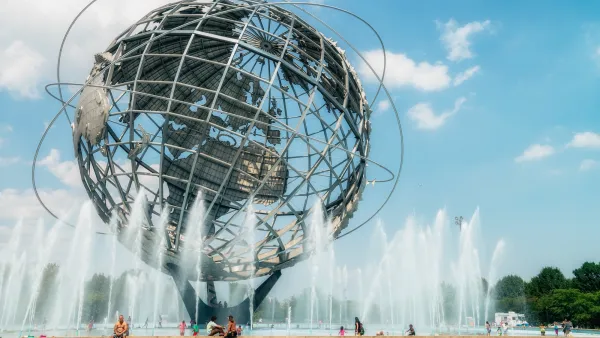
Historic Queens park is getting a $120M upgrade
The borough's largest park will undergo significant upgrades for accessibility, flood mitigation and historic preservation.
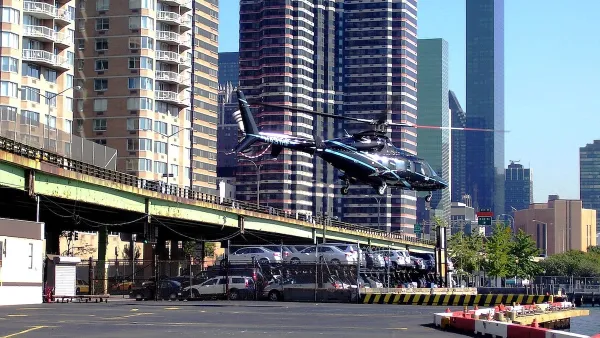
Manhattan Waterfront Parking Lot to Become Public Park
A lot that has served as parking for decades will add a much-needed public amenity to the East River waterfront.
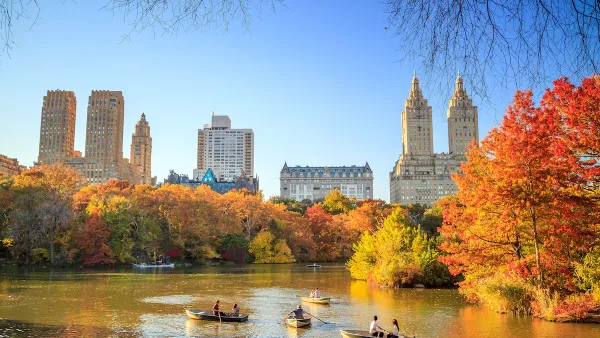
Report: How to Fund NYC Parks
A set of 20 creative suggestions for increasing parks revenue.

Planetizen Federal Action Tracker
A weekly monitor of how Trump’s orders and actions are impacting planners and planning in America.

Amtrak, CN end decades-long dispute with eight-year agreement
The new operating agreement establishes an updated framework for the companies to work together, including processes to resolve disputes.

Northwest rail fans eager for Sept. 30 debut of Amtrak’s Airo fleet
Get ready for that new train smell and more seats. But they won’t go faster or run more frequently on the Cascades route in Washington and Oregon.

Atlanta City Council unanimously backs $3.5 billion Beltline light rail project
The resolution was drafted after Atlanta Mayor Andre Dickens pulled support for the Atlanta Streetcar extension last year.

SEPTA to bring nearby frequent transit to over 1 million new riders as part of decade-long plan
The agency's Accelerate plan will also bring frequent transit to twice the amount of jobs that are currently located near it.

NYC plants over 18,000 trees, the most new foliage in a decade
Many of the trees were planted in communities vulnerable to extreme heat.

FREE Course: Walkable City 1: Why Walkability?
After describing his path towards focusing on walkability as the essence of good planning, Jeff Speck marches through his five principal reasons for making more walkable places.
Reinventing Malls: Planning Alchemy—Turning Gray Fields Into Gold
The course focuses on the opportunities and imperatives that shape reinvention of mall sites.

City of Thousand Oaks
City of Wisconsin Rapids
Harvard University Graduate School of Design
The Architects Foundation
University of Cincinnati Online
The Pocatello Development Authority
The Urban Renewal Agency of the City of Pocatello