A set of 20 creative suggestions for increasing parks revenue.


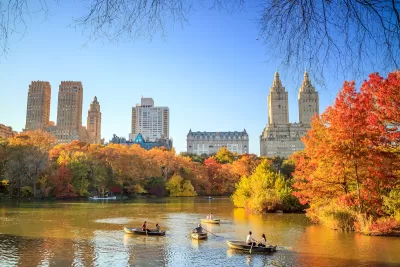
A new report from the Center for an Urban Future (CUF) outlines 20 ways to raise revenue for New York City parks. The report explains that “New York City’s parks maintenance challenges compound deeper infrastructure issues that have only grown over time. The parks system faces at least $685 million in capital needs just to bring existing infrastructure up to a state of good repair, with just 30 percent of those needs either underway or planned over the next three years.”
Meanwhile, some residents still lack adequate access to parks. “While the city has made important progress since 2021, more than 16 percent of New York City residents do not live within a quarter-mile walk of a small park or half-mile of a large park.”
According to a CUF press release, “The ideas—including a new $1 surcharge on tickets sold at stadiums located on parkland; adding 10 new restaurants and destination-worthy concessions in parks across the five boroughs; a fee on gas-powered leaf blowers and landscaping; and a program to monetize organic waste from parks, including turning fallen trees into commercial lumber—provide city leaders with multiple options for establishing dedicated revenue streams for parks at a time when the city’s green spaces are experiencing record usage but also face growing maintenance needs.”
FULL STORY: New Report Advances 20 Creative Ideas to Fund NYC’s Parks and Open Spaces

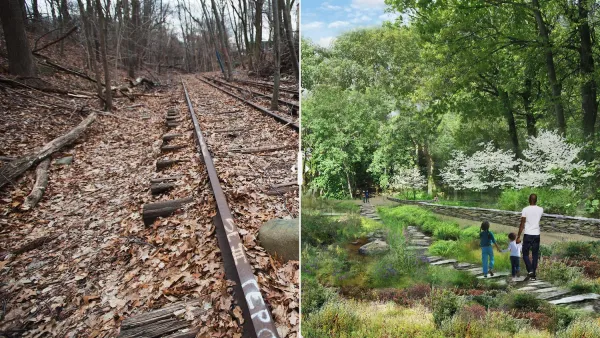
From Queens to Chattanooga, Federal Funding Cuts are Killing Park Projects
Cuts to grants from the Department of Transportation to the EPA are impacting small and large park projects across the country.
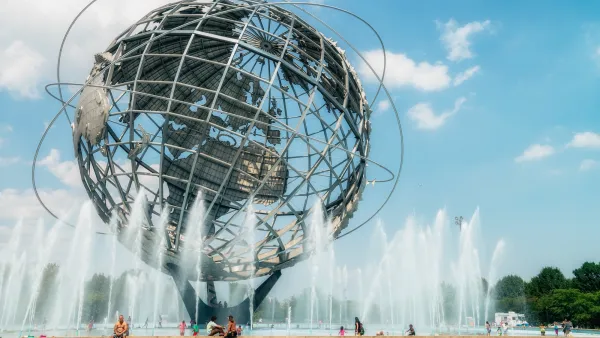
Historic Queens park is getting a $120M upgrade
The borough's largest park will undergo significant upgrades for accessibility, flood mitigation and historic preservation.
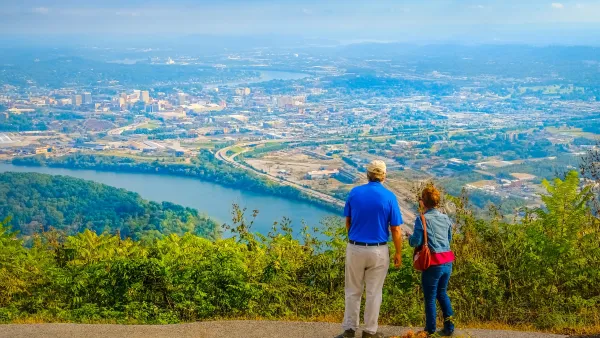
Chattanooga Earns North America’s First ‘National Park City’ Designation
The award recognizes cities that prioritize biodiversity and resident access to parks and green spaces.

Planetizen Federal Action Tracker
A weekly monitor of how Trump’s orders and actions are impacting planners and planning in America.

The state-sanctioned urbicide of Austin
People don’t kill cities. Freeways do.

US to reduce Colorado River water deliveries to Mexico
A new Colorado Treaty amendment reduces Mexico’s Colorado River water allocation by 250,000 acre feet.

5 New England states march closer to 800 megawatt wind energy project
Securing federal approval for the project may be complicated under the Trump administration, which has historically been hostile towards domestic wind power.

Baltimore to break ground on $50 million Transit Priority Project
The project will bring faster bus trips, safer streets and better bike connections to Baltimore.

Airbnb launches $250 million 'last-dollar financing' housing accelerator, makes first investment in Austin
The company will put $6.4 million towards affordable housing development in Texas’ capital.

FREE Course: Walkable City 1: Why Walkability?
After describing his path towards focusing on walkability as the essence of good planning, Jeff Speck marches through his five principal reasons for making more walkable places.
Reinventing Malls: Planning Alchemy—Turning Gray Fields Into Gold
The course focuses on the opportunities and imperatives that shape reinvention of mall sites.

Eagle County Government
Harvard University Graduate School of Design
Nashville Planning Department
The Architects Foundation
University of Cincinnati Online
The Pocatello Development Authority
The Urban Renewal Agency of the City of Pocatello
Journal of the American Planning Association