Branding a city, writes Scott Doyon, isn't as easy as creating a product brand. Cities already have identities, so a new brand can ring false if it isn't in harmony with reality. Case in point: Dunwoody, Georgia.


Dunwoody recently released a new logo and slogan, which looks remarkably like the Walmart logo and has received "less than flattering" feedback, according to Doyon:
"Like any organization, cities yearn to present themselves. To embody their complex wholeness in snappy visual shorthand. To brand themselves."
The problem is that the desire to present an image can often be aspirational and conflict with the actual image of the city:
"...cities are living organisms, built upon evolving visions with a legacy of past behaviors and no shortage of current, on-the-ground realities, which means-like it or not-they already have a brand."
Read the full story: Defining the City: On Being and Becoming

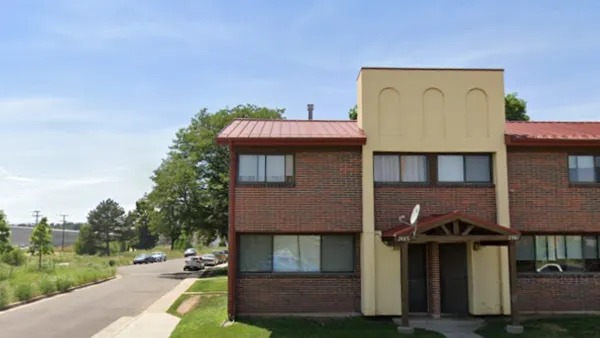
Does Branding Play a Role in Redevelopment?
One Denver neighborhood’s massive redevelopment project includes a branding element. Is it necessary?
Placemaking for Place Marketing
Looking to boost awareness of the special charms of your unique city? Look for chances to leverage placemaking when place marketing.
Private Branding of the Public City
Oracle Park, the Blue Shield of California Theater, Ford GoBike—branding abounds in San Francisco.

Planetizen Federal Action Tracker
A weekly monitor of how Trump’s orders and actions are impacting planners and planning in America.

Amtrak, CN end decades-long dispute with eight-year agreement
The new operating agreement establishes an updated framework for the companies to work together, including processes to resolve disputes.

Judges permit Denver to divert 77,000 acre feet from the Colorado River for reservoir expansion
Overuse and climate change have caused the Colorado River’s water levels to plummet.

NYC DOT wants faster, more permanent street upgrades
The city is examining ways to build more concrete infrastructure without getting entangled in 'decades-long' projects.

'Something we’ve never seen before:' rising utility rates could strain city finances nationwide
Data centers, climate change and other factors have caused utility rates in the United States to increase by 38% since 2020.

Trump to overrule local leaders, lease millions of acres of America’s Pacific Island territories’ seafloors to mining companies
International law says that the Indigenous people of America’s territories have a right to prior and informed consent regarding projects that impact their countries.

FREE Course: Walkable City 1: Why Walkability?
After describing his path towards focusing on walkability as the essence of good planning, Jeff Speck marches through his five principal reasons for making more walkable places.
Reinventing Malls: Planning Alchemy—Turning Gray Fields Into Gold
The course focuses on the opportunities and imperatives that shape reinvention of mall sites.

Harvard University Graduate School of Design
KFH Group Inc.
Greater Baltimore Committee
The Architects Foundation
University of Cincinnati Online
The Pocatello Development Authority
The Urban Renewal Agency of the City of Pocatello