In preparation for Hurricane Irene, the MTA is shutting down buses, subways, and commuter rail in the New York City metro area. Transit operated till noon on August 27, then will begin the 8-hour process to store the vehicles and prepare for Irene.


The entire transit system will close for the weekend in preparation for the hurricane - no easy task. More difficult will be restarting the system as damage, included possible washed away Long Island Rail Road tracks on some branches, will have to be surveyed.
"The Metropolitan Transportation Authority said this process would take at least eight hours." The shut-down includes both Metro North and LIRR commuter trains.
"Restarting the system might take even longer.
About 200 subway trains are usually stored in outdoor yards, some of which, like those in the Rockaways, may flood. These trains will be stored underground in tunnels across the city, making it impossible for the agency to provide regular service on those routes
A major concern in the subway is flooding, particularly in open-trench tracks in Brooklyn and the low-lying stations in Lower Manhattan. Train signal systems can also short-circuit in a flood."
Meanwhile, the City itself is shutting down because on the hurricane.
Read the full story: Stopping Trains, to Store Them Safely
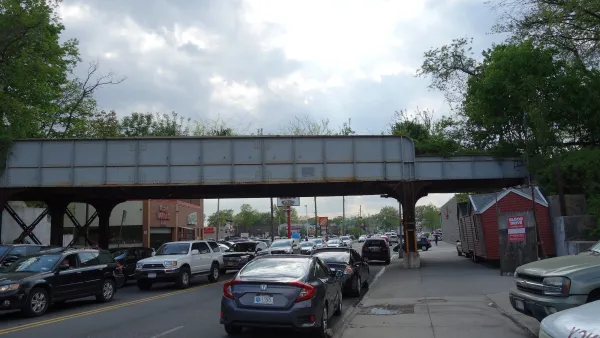
Mamdani Budget Funds Queensway, Dimming Hope for Reactivated Long Island Rail
Supporters of a proposed rail extension say building the elevated park as proposed would make it harder to bring trains back to this part of Queens.
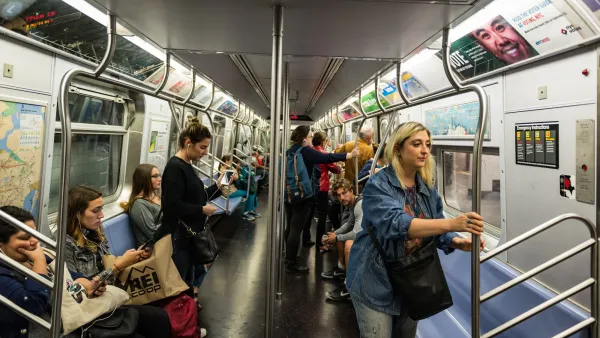
Unlocking the full potential of NYC's Interborough Express
A few strategic investments could turn the IBX into an essential spine of the regional transportation network, not just another branch of New York's subway system.

MTA plans to outfit all buses with stroller storage by next year
All buses will have seats that flip up to allow for stroller storage or more standing room.

Planetizen Federal Action Tracker
A weekly monitor of how Trump’s orders and actions are impacting planners and planning in America.

Eastern Nebraska is running out of electricity
Data centers and electrification are straining eastern Nebraska’s grid, throttling economic development.

Washington state to charge fee to drivers with fuel-efficient cars
Revenue from the fee will go towards supporting the state’s highways.

Instead of building new housing, LA developers are turning mansions into mega-mansions
In the richest areas, the number of houses valued at $30 million with demolition permits has skyrocketed since 2018.

Illinois considers spending $1 billion in taxpayer money on data center
A quantum computing campus and data center are currently under construction in Chicago.

As development costs rise, Boston moves to lessen affordable housing requirements
The Boston Zoning Commission and the City Council still need to approve Boston Mayor Michelle Wu’s proposed changes

FREE Course: Walkable City 1: Why Walkability?
After describing his path towards focusing on walkability as the essence of good planning, Jeff Speck marches through his five principal reasons for making more walkable places.
Reinventing Malls: Planning Alchemy—Turning Gray Fields Into Gold
The course focuses on the opportunities and imperatives that shape reinvention of mall sites.

City of Charlotte
City of Rosemead
Rutgers University, Edward J. Bloustein School of Planning and Public Policy
University of Michigan School for Environment and Sustainability (SEAS)
Hunter College, City University of New York (CUNY)
The Architects Foundation
University District Partnership
City of Cambridge
The Pocatello Development Authority