In the richest areas, the number of houses valued at $30 million with demolition permits has skyrocketed since 2018.


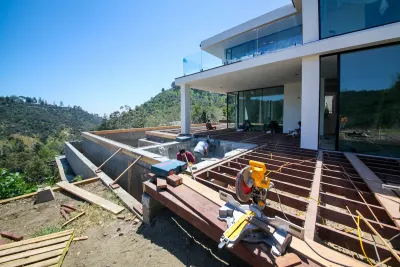
In Los Angeles county, the ultra-rich are displacing the rich. In wealthy enclaves, “modest and midcentury homes are being demolished for mega-mansions with amenities such as waterfalls, movie theaters and 20-car garages,” Michael Liu writes for the Los Angeles Times. In some areas, the number of houses valued at $30 million with demolition permits has "jumped more than four times" since 2018, as developers hope to replace them with much larger projects, the Times reports.
Demolishing a home to build a new one on the land is often quicker than seeking out vacant properties, as it reduces the chance of permit delays or rejections. The old land will also already have pre-existing environmental surveys, utilities and established zoning, which makes building a new development significantly easier.
Some neighbors of these developments worry that the mega-mansions may erase neighborhood character, but others appreciate the positive effects they may have on the value of their own property.
Read the full story: Gentrification by billionaire: How the rich get displaced by the ultrarich in L.A.’s toniest ZIP Codes
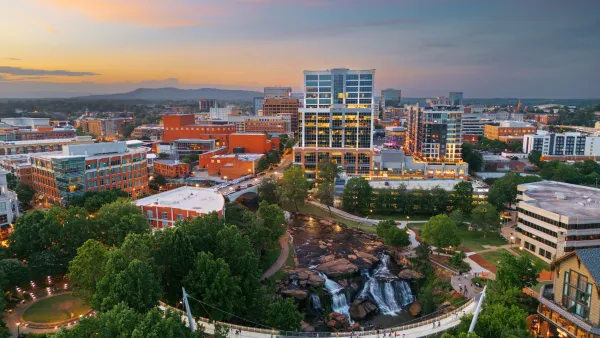
Greenville, SC pushes for missing middle housing
The city recently overhauled its zoning rules to permit more 'low-intensity' housing options.
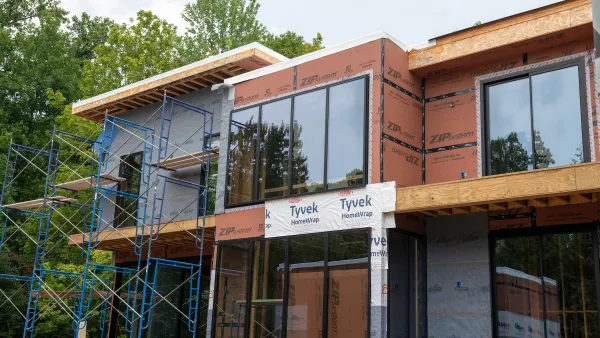
New HUD guidelines call for nixing green building requirements
The newly released 'best practices' advise local governments to streamline permitting processes, cap permitting fees and encourage by-right development of single-family homes.
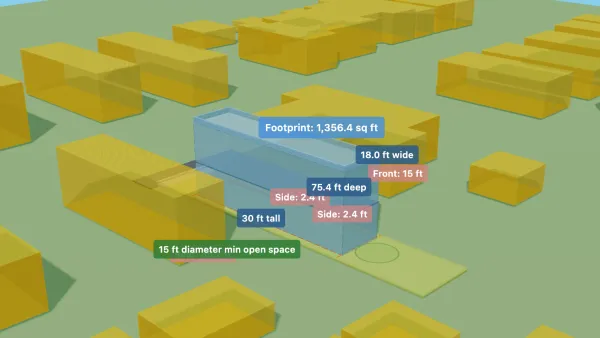
Interactive, 3D Chicago Zoning Map Lets You Visualize Potential Development
A new tool creates a visual model of potential development on Chicago lots based on the property’s specific zoning regulations.

Planetizen Federal Action Tracker
A weekly monitor of how Trump’s orders and actions are impacting planners and planning in America.

Eastern Nebraska is running out of electricity
Data centers and electrification are straining eastern Nebraska’s grid, throttling economic development.

Study reveals best places in the U.S. for cycling, walking
New research from Streetlight Data examines bicycle and pedestrian miles per capita in the 100 largest U.S. cities by population.

Instead of building new housing, LA developers are turning mansions into mega-mansions
In the richest areas, the number of houses valued at $30 million with demolition permits has skyrocketed since 2018.

Illinois considers spending $1 billion in taxpayer money on data center
A quantum computing campus and data center are currently under construction in Chicago.

As development costs rise, Boston moves to lessen affordable housing requirements
The Boston Zoning Commission and the City Council still need to approve Boston Mayor Michelle Wu’s proposed changes

FREE Course: Walkable City 1: Why Walkability?
After describing his path towards focusing on walkability as the essence of good planning, Jeff Speck marches through his five principal reasons for making more walkable places.
Reinventing Malls: Planning Alchemy—Turning Gray Fields Into Gold
The course focuses on the opportunities and imperatives that shape reinvention of mall sites.

City of Charlotte
City of Rosemead
Rutgers University, Edward J. Bloustein School of Planning and Public Policy
University of Michigan School for Environment and Sustainability (SEAS)
Hunter College, City University of New York (CUNY)
The Architects Foundation
City of Cambridge
The Pocatello Development Authority
The Urban Renewal Agency of the City of Pocatello