LA Times Columnist Gregory Rodriguez notes that cities from LA to D.C. and even Atlanta are losing black and even Latino and Asian populations to more affluent whites migrating from the suburbs, who take their values with them.


Rodriguez notes the transformation of New York's Times Square, "dense with suburban, clean, white middle-class faces" as put by geographers Neil Smith and Deborah Cowen as an example.
"Thus far, news stories on these shifts have focused on individual cities or the inevitable bruised feelings inherent in the process of demographic change.
But no one seems to be connecting the dots and concluding that American cities are on the verge of big change. On one level this is a story about race and class, but the more profound shift in the U.S. urban experience will be cultural."
Rodriguez wonders if the affluent newcomers will focus on making cities more 'family friendly' such as improving schools.
Thanks to Climate Plan
Read the full story: White flight - to the city

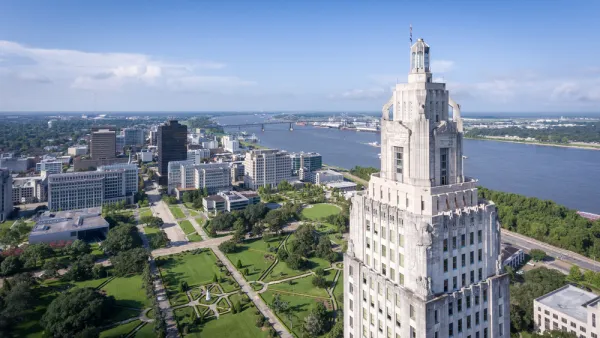
Baton Rouge Will Split into Two Cities Following Court Ruling
A wealthy portion of Baton Rouge will split off and incorporate its own city in what proponents say is a bid for better schools and reduced crime, but critics say it will gut Baton Rouge’s tax base and result in a wealthy ‘white enclave.’

Study: FEMA Buyout Program Could be Accelerating Segregation
A new analysis of the relocation patterns of households that participate in FEMA’s flood buyout program reveals a pattern of increased racial segregation.
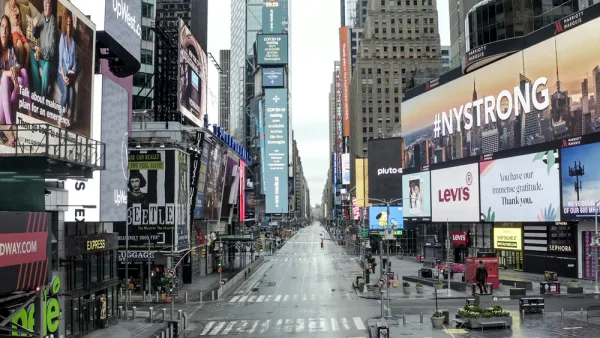
From ‘Urban Exodus’ to ‘Urban Doom Loop’
The initial shocks of the Covid 19 pandemic have become more persistent, and it’s time to start wondering what comes next for the communities on either side of the changes.

Planetizen Federal Action Tracker
A weekly monitor of how Trump’s orders and actions are impacting planners and planning in America.

Amtrak, CN end decades-long dispute with eight-year agreement
The new operating agreement establishes an updated framework for the companies to work together, including processes to resolve disputes.

Northwest rail fans eager for Sept. 30 debut of Amtrak’s Airo fleet
Get ready for that new train smell and more seats. But they won’t go faster or run more frequently on the Cascades route in Washington and Oregon.

LAX SkyLink opening delayed again, contractor won’t commit to new deadline
The project was supposed to open its doors to the public in 2023.

Caltrain may slash over one-third of its stations
If Bay Area voters reject two transit tax measures, Caltrain, BART and AC Transit will see steep service cuts.

A 'dangerous' precedent: North Carolina successfully pressures communities into voting for toll roads
Two mayors resigned from the Charlotte Regional Transportation Planning Organization after it voted in favor of the toll roads.

FREE Course: Walkable City 1: Why Walkability?
After describing his path towards focusing on walkability as the essence of good planning, Jeff Speck marches through his five principal reasons for making more walkable places.
Reinventing Malls: Planning Alchemy—Turning Gray Fields Into Gold
The course focuses on the opportunities and imperatives that shape reinvention of mall sites.

City of Thousand Oaks
City of Wisconsin Rapids
Harvard University Graduate School of Design
The Architects Foundation
University of Cincinnati Online
The Pocatello Development Authority
The Urban Renewal Agency of the City of Pocatello