A new project at the National Building Museum is collecting information to better understand the built environment. Next American City talks with the program's curator, Susan Piedmont-Palladino.


The project explores how information technology can play a role in urban design.
"Next American City: How do you hope you'll be able to apply the results to the museum's work, and in the world at large?
Susan Piedmont-Palladino: We always hear, "Aren't you just preaching to the choir?" And yet the choir isn't always paying attention. So yes, we do hope for that, but I would include in the choir the design professionals and the planners and the aficionados of sustainable development and smart growth. But there is also a congregation of people who are voluntarily participating, who want to educate themselves, who think they can take part in planning in their town. We'd like to grab some of the public who have been mystified about master planning or resources or density. We're hoping to lower the threshold to participation, and see some signs of success - like maybe some people out there will start to go to zoning meetings, or organize a walk- or bike-to-school group, or a city council might start to use social media."
Read the full story: Better Information, Better Cities


Children in 55 countries are redesigning their cities in Minecraft
A U.N.-backed program lets students and community members reimagine sites in their neighborhoods in the game — and translate them into real-life buildings.
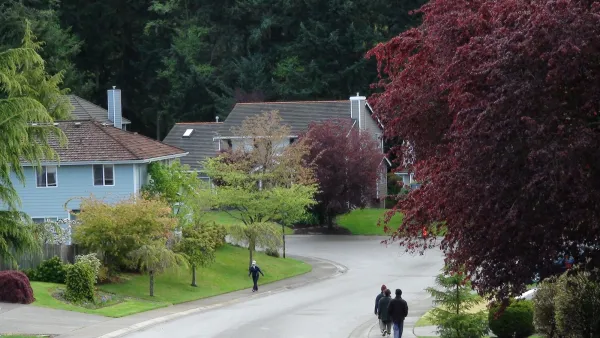
Move over, zoning. Housing’s unsung hero is better street design.
The physical layout of infrastructure is the quiet force that shapes housing supply.
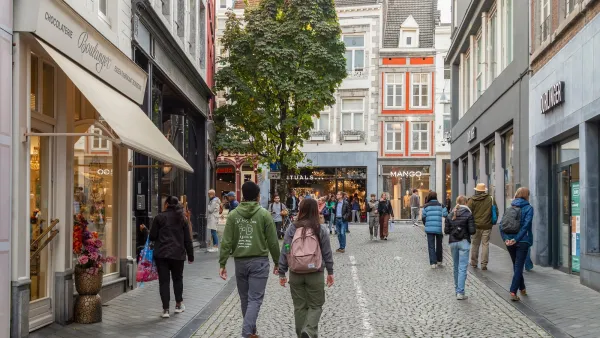
Planning for Love, Part 3: Enhancing human connection through walkability
In the third and final installment of this series, author Hannah Kosoff examines what her research findings say about modern dating and urban form.

Planetizen Federal Action Tracker
A weekly monitor of how Trump’s orders and actions are impacting planners and planning in America.

Amtrak, CN end decades-long dispute with eight-year agreement
The new operating agreement establishes an updated framework for the companies to work together, including processes to resolve disputes.

Northwest rail fans eager for Sept. 30 debut of Amtrak’s Airo fleet
Get ready for that new train smell and more seats. But they won’t go faster or run more frequently on the Cascades route in Washington and Oregon.

NYC to turn city-owned property into thousands of homes
The city has scheduled a public hearing regarding the development for October.

Buses travel at 5mph along this route in NYC. The Bronx's first-ever busway looks to change that
Prior to the busway, buses on the Bx36 route traveled as slowly as 5 miles per hour.

Pittsburg launches 'EZ permits,' aims for one-day turnaround for low-risk permits
The pilot ‘fast lane’ for permits is part of a bundle of modernization efforts for Pittsburg’s permitting process.

FREE Course: Walkable City 1: Why Walkability?
After describing his path towards focusing on walkability as the essence of good planning, Jeff Speck marches through his five principal reasons for making more walkable places.
Reinventing Malls: Planning Alchemy—Turning Gray Fields Into Gold
The course focuses on the opportunities and imperatives that shape reinvention of mall sites.

City of Thousand Oaks
City of Wisconsin Rapids
Harvard University Graduate School of Design
The Architects Foundation
University of Cincinnati Online
The Pocatello Development Authority
The Urban Renewal Agency of the City of Pocatello