Some suburbs will be successful smaller towns, while others will become ruins, predicts James Howard Kunstler. Unlike other urbanists though, Kunstler thinks big cities are in trouble when cheap energy disappears.


Kunstler writes that big "metroplex" cities will be in significant trouble:
"Categorically, they are not scaled to the energy realities of the future. Our giant cities are products of the cheap energy era; the arc of their explosive growth since 1945 is self-evident. They're simply too large and too complex. Everything about them is designed to run on endless supplies of cheap fossil fuels and the resources and byproducts made possible by them: steel, copper, cement, plastic, and asphalt."
He predicts that large U.S. cities will contract around their historic cores and waterfronts, and that trains and boats will see a resurgence given the lack of cheap oil to fuel trucks for deliveries.
Read the full story: Back to the Future
Kunstler Explains Peak Oil
In a video interview, author James Howard Kunstler talks about peak oil, the effect of Mexican drug gangs on America's oil supply, and the diminishing returns of new oil-extracting technologies.
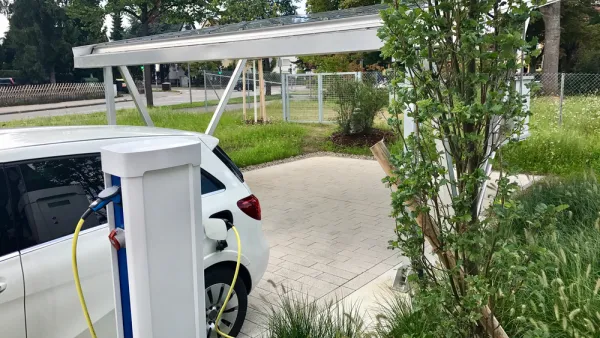
Energy Transformation Predicted in 12 Years
By 2030, the world's consumption of oil will drop due to increasing electric vehicle sales, according to a report by Bank of America. Other researchers disagree on the timeframe. The report is useful for highlighting the term, "peak oil demand."
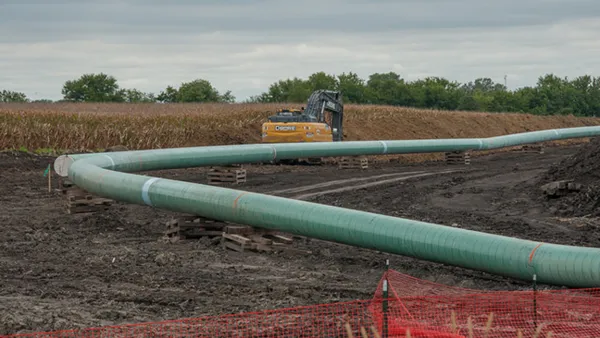
Nebraska Commission Authorizes Keystone XL Pipeline, But With a Major Twist
TransCanada got its second wish. Last March, President Trump reversed President Obama's rejection of the 1,136-mile pipeline to carry Alberta oil sands crude. On Monday, the Nebraska Public Service Commission OK'd a route, but not the one it wanted.

Planetizen Federal Action Tracker
A weekly monitor of how Trump’s orders and actions are impacting planners and planning in America.

California plans to bury El Niño’s downpour
If the state plays its cards right, it may be able to store a billion acre-feet of El Niño’s water in aquifers.

Desperate measures: Advocates weigh draining Lake Powell to fill Colorado River
Draining the reservoir could reduce evaporation losses by a couple hundred thousand acre-feet.

In Texas, data centers are swallowing promised parkland
Residents who moved to Taylor, Texas for a rural community now have to contend with three data centers in their backyard.

How a Chicago-sized wind farm beat the odds and powered on
The project spanned five presidential administrations and a standoff with a U.S. military base.

MTA gives itself 30 days to transform pit into basketball court
The site has been under construction since 2022; the city originally estimated it would finish the court in 2024.

FREE Course: Walkable City 1: Why Walkability?
After describing his path towards focusing on walkability as the essence of good planning, Jeff Speck marches through his five principal reasons for making more walkable places.
Reinventing Malls: Planning Alchemy—Turning Gray Fields Into Gold
The course focuses on the opportunities and imperatives that shape reinvention of mall sites.

City of Rosemead
Rutgers University, Edward J. Bloustein School of Planning and Public Policy
One Hundred Miles
Hunter College, City University of New York (CUNY)
The Architects Foundation
University of Cincinnati Online
City of Cambridge
Montrose County
The Pocatello Development Authority