Transportation is destiny, and cities must adapt. Demography: ditto. Bill Barnes finds digs into a pile of "big think" planning books and pulls out a number of lessons for the future.


Greg Lindsay's "Aerotropolis" is on the top of Barnes' stack, which posits that airport-adjacent developement is the way of the future.
Barnes writes:
"There's no room in this book for sentimentality about people and places left behind or about other strategies being carried out; no concern for community or democracy or quality of life. Just speed and access and supply chains and success."
In general, Barnes warns that "big think" books can be misleading in their confidence in what the future holds:
"There is about all these books a whiff of triumphalism, a clever certainty about what is best, about what the future holds, and about the superiority of the analysis offered. It's a hazard of the genre and can produce a bit of blindness to complexity."
Thanks to Bill Barnes
Read the full story: Emerging Issues: Big Think books, Part Two: Cities and Destiny


'Something we’ve never seen before:' rising utility rates could strain city finances nationwide
Data centers, climate change and other factors have caused utility rates in the United States to increase by 38% since 2020.
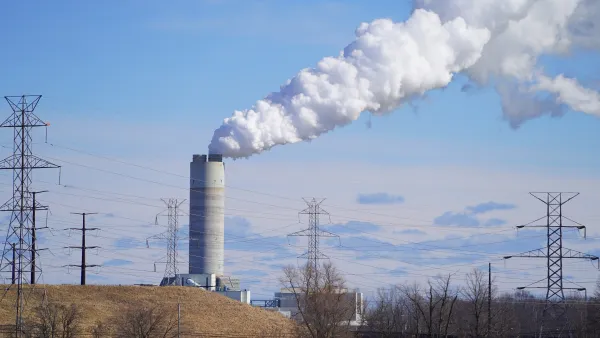
EPA erases limits on planet-warming pollution from power plants
Under Monday’s plan, power plants would still have some limits on how much mercury, arsenic and other contaminants they can emit.
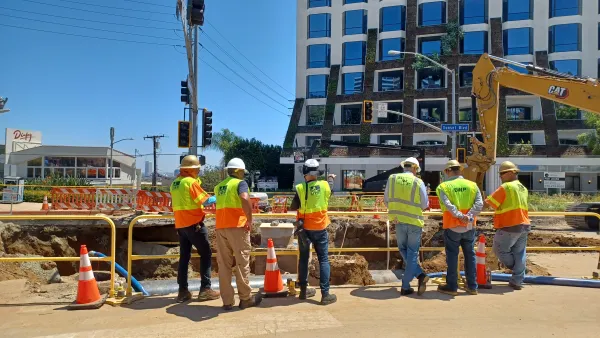
Climate change is battering US water systems
The American Water Works Association estimates that roughly $2 trillion will be needed to update municipal water systems for contemporary conditions.

Planetizen Federal Action Tracker
A weekly monitor of how Trump’s orders and actions are impacting planners and planning in America.

‘Going backwards:’ Baltimore mayor, students rally against state's transit funding plan
Maryland's proposed six-year plan provides no funding for Baltimore’s BMORE bus program and reduces its road maintenance funding.

Detroit to transform waterfront with $2.2 billion investment
Developers will convert about 18 acres of unused parking lot space into civic spaces.

LA to transform part of water treatment facility into new park
By rebuilding some of the Los Angeles-Glendale Water Reclamation Plant’s infrastructure, the city will free up 18,000 square feet to create a new green space for the public.

San Antonio approves $1.1 billion transit agenda
The agency has also begun construction of its Via Rapid Green line, which will service passengers from the San Antonio International Airport.

Guerilla urbanists’ DIY benches joined by sanctioned seats in Chicago
The group behind the original homemade benches said they will continue installing them across bench-less bus stops in Chicago.

FREE Course: Walkable City 1: Why Walkability?
After describing his path towards focusing on walkability as the essence of good planning, Jeff Speck marches through his five principal reasons for making more walkable places.
Reinventing Malls: Planning Alchemy—Turning Gray Fields Into Gold
The course focuses on the opportunities and imperatives that shape reinvention of mall sites.

One Hundred Miles
County of Mendocino
planning NEXT
The Architects Foundation
University of Cincinnati Online
Montrose County
Northern Illinois Transit Authority (NITA)
The Pocatello Development Authority