Using data from the 2010 U.S. Census, Salon lists out 10 urban areas where race segregation is most prevalent.


The list includes Los Angeles, Philadelphia and Cincinnati, and is based on metropolitan areas of 500,000 people or more.
"Segregation itself, the decennial census report indicates, is only decreasing slowly, although the dividing lines are shifting as middle-income blacks, Latinos and Asians move to once all-white suburbs -- whereupon whites often move away, turning older suburbs into new, if less distressed, ghettos.
We may think of segregation as a matter of ancient Southern history: lunch counter sit-ins, bus boycotts and Ku Klux Klan terrorism. But as the census numbers remind us, Northern cities have long had higher rates of segregation than in the South, where strict Jim Crow laws kept blacks closer to whites, but separate from them. Where you live has a big impact on the education you receive, the safety on your streets, and the social networks you can leverage."
Read the full story: The 10 most segregated urban areas in America
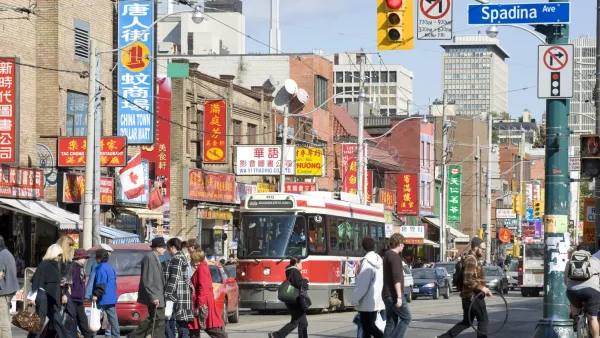
New Research Shows Toronto Highly Segregated Along Race and Class Lines
A closer look at the numbers reveals stark divides among Toronto neighborhoods.
Segregation Not Going Away in American Cities
Recent figures from the 2010 U.S. Census highlighted the fact that many cities remain racially segregated. This commentary argues that this situation is unlikely to change.
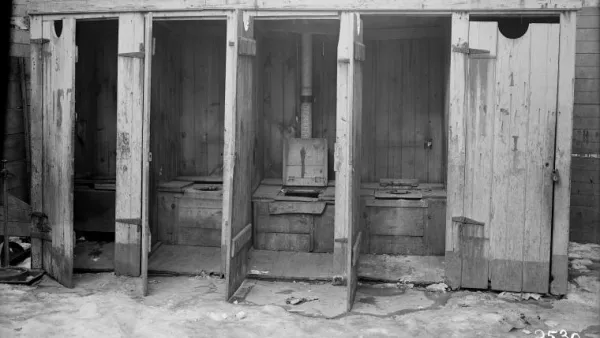
Jim Crow lives on in our public bathrooms
Using budgets to devalue public spaces and their patrons was one of segregationists’ key moves. Their legacy still plagues our public bathrooms.

Washington state to charge fee to drivers with fuel-efficient cars
Revenue from the fee will go towards supporting the state’s highways.

Illinois considers spending $1 billion in taxpayer money on data center
A quantum computing campus and data center are currently under construction in Chicago.

Trump to blast ‘hydrocarbon highway’ through ‘world’s longest art gallery’
Environmental and historic preservation groups are suing to stop the project.

NYC, state sue feds over mixed-immigration-status housing assistance rule
The state’s lawsuit argues that the rule change violates the Administrative Procedure Act.

Michigan to turn neighborhood into virtual power plant
Residents will soon be able to divert their excess energy to the grid in exchange for compensation.

Data center, mining project swarm to long-awaited Alaska railroad line
The state-owned railroad approved final plans for the spur line this week; the project is expected to cost $311 million, mostly funded by the federal government

FREE Course: Walkable City 1: Why Walkability?
After describing his path towards focusing on walkability as the essence of good planning, Jeff Speck marches through his five principal reasons for making more walkable places.
Reinventing Malls: Planning Alchemy—Turning Gray Fields Into Gold
The course focuses on the opportunities and imperatives that shape reinvention of mall sites.

City of Charlotte
City of Rosemead
Rutgers University, Edward J. Bloustein School of Planning and Public Policy
University of Michigan School for Environment and Sustainability (SEAS)
Hunter College, City University of New York (CUNY)
The Architects Foundation
University District Partnership