Urbanization is taking up a rapid pace in China. Though much of the planning going on is of the cookie-cutter variety, some say the Chinese need to pay more attention to growing their cities vertically.


Writing for What Matters, Jonathan Woetzel argues that the future of China's cities will be less grim if they build up not out.
"If China were to encourage the growth of hub-and-spoke clusters, or even megacities with denser populations and more concentrated urban footprints, the average height of buildings could double but the burden on China's resources would diminish as cities built up, not out. Vertical development would take pressure off the land, ensure that investments were closer to the market, and be significantly more resource-efficient. In the megacity scenario, by 2025 40% of China's urban population could live in megacities with over 20 million residents. Nationally, China would construct over 4000 high-rises a year, creating a unique and vertical society. And the concentration of resources around centers of excellence in urbanization would lead to a higher quality of investment. This, combined with policies aimed at moving resources away from heavy industry and towards the services sector, would drive a healthier, more consumption-oriented and employment-friendly economy and society."
Read the full story: China’s cities in the sky


Texas Could Have the Nation’s 3 Largest Cities by 2100. Are They Ready to Embrace Density?
Houston, Dallas, and Austin are growing fast. The old sprawl model is no longer sustainable.
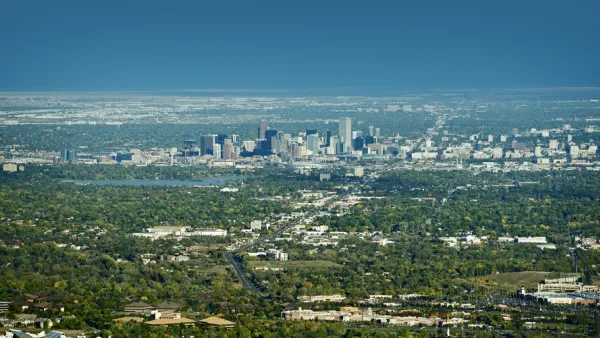
A New Urban Growth Boundary for Metro Denver
Douglas County’s master plan indicates that areas south of current development will likely remain preserved through conservation initiatives, but the metro area’s booming population indicates that growth will continue to happen, somewhere.
The Fastest Growing Cities in the World
None of the fastest growing cities in the world are found in North or South America.

Amtrak, CN end decades-long dispute with eight-year agreement
The new operating agreement establishes an updated framework for the companies to work together, including processes to resolve disputes.

Northwest rail fans eager for Sept. 30 debut of Amtrak’s Airo fleet
Get ready for that new train smell and more seats. But they won’t go faster or run more frequently on the Cascades route in Washington and Oregon.

Judges permit Denver to divert 77,000 acre feet from the Colorado River for reservoir expansion
Overuse and climate change have caused the Colorado River’s water levels to plummet.

NYC to turn city-owned property into thousands of homes
The city has scheduled a public hearing regarding the development for October.

Buses travel at 5mph along this route in NYC. The Bronx's first-ever busway looks to change that
Prior to the busway, buses on the Bx36 route traveled as slowly as 5 miles per hour.

Pittsburg launches 'EZ permits,' aims for one-day turnaround for low-risk permits
The pilot ‘fast lane’ for permits is part of a bundle of modernization efforts for Pittsburg’s permitting process.

FREE Course: Walkable City 1: Why Walkability?
After describing his path towards focusing on walkability as the essence of good planning, Jeff Speck marches through his five principal reasons for making more walkable places.
Reinventing Malls: Planning Alchemy—Turning Gray Fields Into Gold
The course focuses on the opportunities and imperatives that shape reinvention of mall sites.

City of Thousand Oaks
City of Wisconsin Rapids
Harvard University Graduate School of Design
The Architects Foundation
University of Cincinnati Online
The Pocatello Development Authority
The Urban Renewal Agency of the City of Pocatello