Looking to capture $3 billion of federal funding from the now-defunct ARC tunnel, New York City is mulling an unexpected extension of the 7 line, reports Eliot Brown.


The Bloomberg administration is pitching the preliminary plan, which would connect the subway system with a New Jersey Transit hub in Seacaucus, as a low-cost alternative to Access to the Region's Core. At an estimated $5.3 billion, the plan is over $3 billion cheaper than ARC, which New Jersey Governor Chris Christie killed in late October.
Construction is already underway on a Manhattan extension of the 7 line from Times Square to 34th Street and 11th Avenue in anticipation of new development on Manhattan's West Side. The Bloomberg administration believes routing the line to New Jersey could help spur growth, Brown writes:
"City officials have been particularly attracted to the possible benefits the subway extension could bring to the far West Side, an area the Bloomberg administration has been seeking to redevelop with new office and apartment towers. A four-page fact sheet on the tunnel plan circulated by the city advertised the concept as 'a major catalyst for development of commercial property in Manhattan.'"
Read the full story: City Could Extend No. 7 to New Jersey

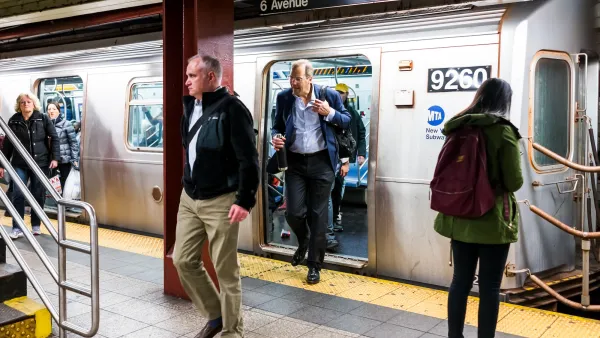
NYC to Upgrade 1/3 of its Subway Car Fleet
The MTA is seeking proposals for up to 2,390 new subway cars to upgrade its aging fleet.
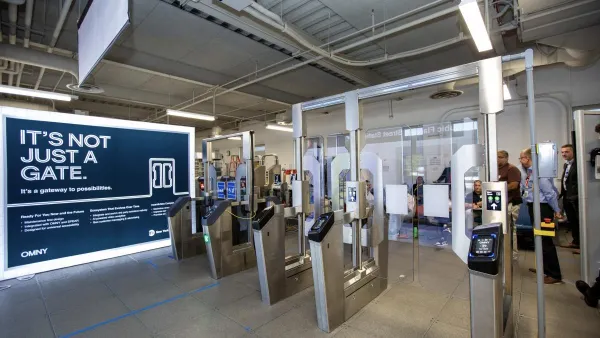
New York MTA Installs ‘Smart’ Fare Gates to Stop Turnstile Hoppers
New fare gates use sensors and higher panels to prevent people from passing without paying, but the tech had a “bumpy rollout” on its first day.
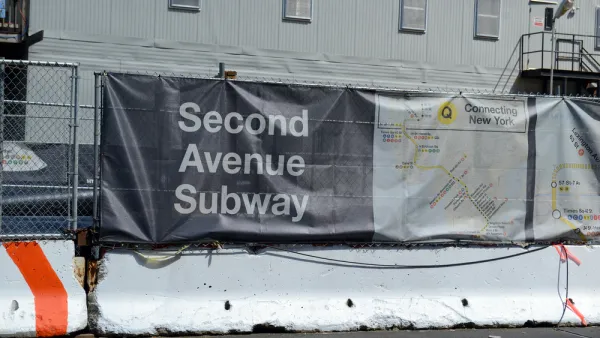
Opinion: Second Avenue Subway Should Come With Zoning Changes
Increasing density in the neighborhoods surrounding the new subway stops would bring more affordable, transit-adjacent housing to East Harlem and boost ridership.

Planetizen Federal Action Tracker
A weekly monitor of how Trump’s orders and actions are impacting planners and planning in America.

Data reveals that NYC’s bet on congestion pricing has paid off
After almost two years of the program, reports show positive impacts on traffic and air quality and no disruptions to parking.

HUD modernizes 50-year-old manufactured housing framework
The Next Generation Manufactured Housing Action Plan establishes new energy-efficiency standards for manufactured homes, and new guidelines for anchoring them.

Chicago city vehicles are on the hunt for illegally-parked cars
Cameras on the vehicles can automatically issue tickets to drivers who park their cars in bus or bike lanes.

Small single-family homes are illegal in most of MA. Voters can change that
Most land zoned for single-family housing in Massachusetts requires at least 40,000 square feet of land per house.

Public steps inside U.S.’s first battery-powered train
Metra’s groundbreaking train feature modern seats and a futuristic battery car.

FREE Course: Walkable City 1: Why Walkability?
After describing his path towards focusing on walkability as the essence of good planning, Jeff Speck marches through his five principal reasons for making more walkable places.
Reinventing Malls: Planning Alchemy—Turning Gray Fields Into Gold
The course focuses on the opportunities and imperatives that shape reinvention of mall sites.

One Hundred Miles
County of Mendocino
planning NEXT
The Architects Foundation
University of Cincinnati Online
Montrose County
Northern Illinois Transit Authority (NITA)
The Pocatello Development Authority