A Columbia professor finds an obscure 1856 document that created the legal precedents that allowed the United States to seize and hold islands, and it all ties back to bird poop.


Christina Duffy Burnett says that the document, titled The Sovereignty of Islands Claimed Under the Guano Act and of the Northwest Hawaiian Islands, Midway, and Wake, argued that the discovery that bird guano found on islands is a very effective fertilizer lead to the U.S. Government asserting claims over many islands:
"The stuff is like magic, and farmers everywhere are suddenly clamoring to get their hands on some. There's a boom, the price skyrockets, the Peruvians more or less control the market, and supplies are short. Everybody is looking for new sources, there's tons of fake guano trading hands-it's chaos. Enter the US farm lobby. Farmers in the United States start pressuring Congress to pass some sort of legislation that will improve domestic access to this vital excrement. The result is the Guano Islands Act, legislation that authorized the United States to take control of a guano island if a citizen discovered it and undertook certain actions to take possession of it."
Read the full story: Islands and the Law: An Interview with Christina Duffy Burnett

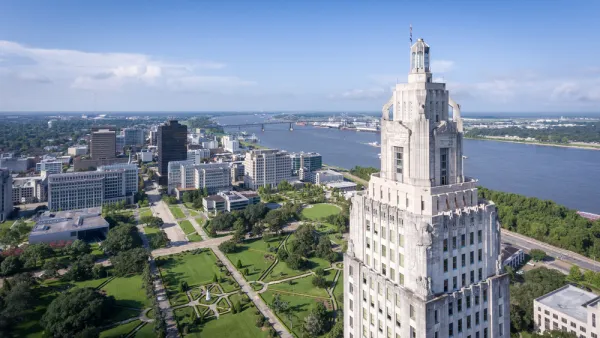
Baton Rouge Will Split into Two Cities Following Court Ruling
A wealthy portion of Baton Rouge will split off and incorporate its own city in what proponents say is a bid for better schools and reduced crime, but critics say it will gut Baton Rouge’s tax base and result in a wealthy ‘white enclave.’
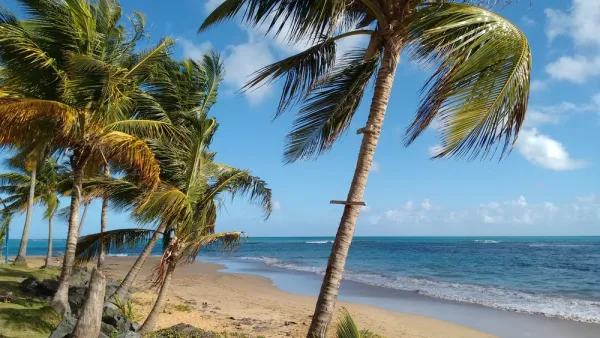
Islands of the World Get Their Own Smart Congress
After six years of successful Smart City Expo World Congresses in Barcelona, the island of Majorca will host one that focuses exclusively on islands. It will focus on technology and innovation, and address unique challenges islands face.
Fusion Businesses as Indicators of Urban Change
Chuck Wolfe explains how the fusion of laundromats and dining are evidence of the evolving city and the ongoing need for regulatory reform.

Planetizen Federal Action Tracker
A weekly monitor of how Trump’s orders and actions are impacting planners and planning in America.

The state-sanctioned urbicide of Austin
People don’t kill cities. Freeways do.

US to reduce Colorado River water deliveries to Mexico
A new Colorado Treaty amendment reduces Mexico’s Colorado River water allocation by 250,000 acre feet.

Nation's most wind-powered state turns to coal as data centers increase energy demand
For the first time in decades, Iowa has increased its generation of coal power.

NYC cools commuters with city's first rain garden above a bus stop
New York City officials say the plants in the rain garden can absorb 16 gallons of rainwater during heavy storms.

Brightline West’s future may rely on $6 billion federal loan
The company has until Nov. 2 to make a $400 million equity investment into its proposed high-speed rail line.

FREE Course: Walkable City 1: Why Walkability?
After describing his path towards focusing on walkability as the essence of good planning, Jeff Speck marches through his five principal reasons for making more walkable places.
Reinventing Malls: Planning Alchemy—Turning Gray Fields Into Gold
The course focuses on the opportunities and imperatives that shape reinvention of mall sites.

Greater Baltimore Committee
Eagle County Government
Harvard University Graduate School of Design
The Architects Foundation
University of Cincinnati Online
The Pocatello Development Authority
The Urban Renewal Agency of the City of Pocatello
Journal of the American Planning Association