Chuck Wolfe explains how the fusion of laundromats and dining are evidence of the evolving city and the ongoing need for regulatory reform.


Wolfe describes Copenhagen's celebrated "Laundromat Cafe" and San Francisco's "Brain Wash" as examples of fusion businesses, and urges ongoing regulatory updates to facilitate the trend.
In order to enable fusion businesses, he notes, land use regulations may need more flexibility:
"Reform efforts can and should reinvent such conventional impediments to the more efficient, compact city life, and allow the flexibility of innovation and redefined urban traditions. As currently proposed Seattle efforts illustrate, reforms aimed at more livable places can be evolutionary rather than revolutionary, and can enable more employment closer to home."
Thanks to Chuck Wolfe
Read the full story: Fusion Businesses and the Cities of Tomorrow

Urbanism Without Effort
Chuck Wolfe says that urbanism that can readily occur in urban neighborhoods "without really trying" as people naturally come together in impromptu ways.
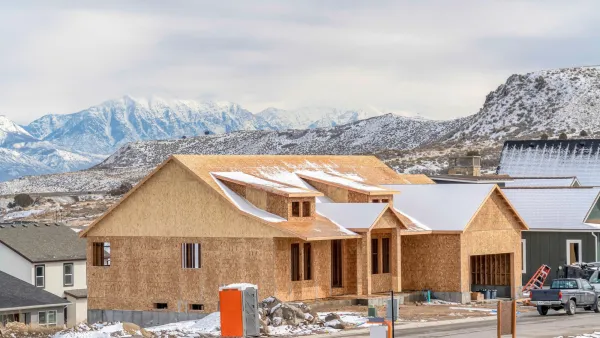
Southern Utah tackles housing crisis with smaller homes, career support for construction workers
St. George and other communities are feeling the strain of a rapidly growing population.
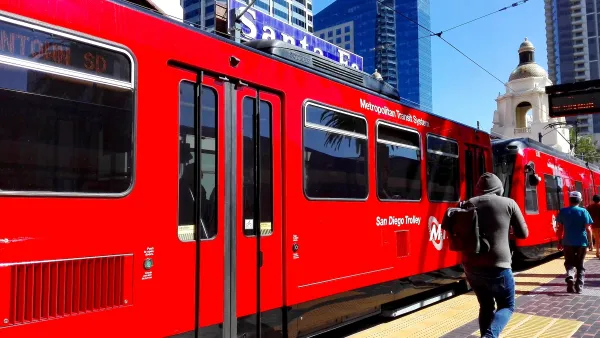
San Diego wants to limit upzoning law to just 16% of transit-adjacent parcels
The city's planning director says some areas are unfit for immediate upzoning due to a lack of resources or hazards such as wildfire risk.

Planetizen Federal Action Tracker
A weekly monitor of how Trump’s orders and actions are impacting planners and planning in America.

Amtrak, CN end decades-long dispute with eight-year agreement
The new operating agreement establishes an updated framework for the companies to work together, including processes to resolve disputes.

Judges permit Denver to divert 77,000 acre feet from the Colorado River for reservoir expansion
Overuse and climate change have caused the Colorado River’s water levels to plummet.

South Chicago development proposal would 'upzone' neighborhoods to increase density
The South Chicago Land Use Framework plan also aims to promote pedestrian and transit-oriented developments.

Boston has spent millions making the Green Line more accessible — and there’s no end in sight
While the city has invested millions into expanding and adding platforms to the Green Line to make it more accessible, new train cars set to arrive next year will be too tall for disabled passengers to board without raising the current platforms.

Idaho may see an 18% drop in federal surface transit funding — the largest estimated cut in the US
Transit systems in rural communities are much more reliant on federal funding to provide their services.

FREE Course: Walkable City 1: Why Walkability?
After describing his path towards focusing on walkability as the essence of good planning, Jeff Speck marches through his five principal reasons for making more walkable places.
Reinventing Malls: Planning Alchemy—Turning Gray Fields Into Gold
The course focuses on the opportunities and imperatives that shape reinvention of mall sites.

City of Wisconsin Rapids
Harvard University Graduate School of Design
KFH Group Inc.
The Architects Foundation
University of Cincinnati Online
The Pocatello Development Authority
The Urban Renewal Agency of the City of Pocatello