Density is an imperfect and unreliable measurement of intensity, says architect and city planner Walter Hosack, and must be replaced with a yardstick that can more accurately measure cause and predict effect.


Hosack explains his concept of "intensity":
"When gross building area is planned or converted for a specific activity, such as a hospital, the physical level of intensity is also affected by the social activity planned. The combination is referred to as "land use", and its condition is affected by its economic stability and social acceptance. In other words, the land development capacity utilized produces levels of physical intensity, social activity, and economic contribution that affect our quality of life within the built environment.
The movement and life support divisions of our built environment open up land for development, but intensity begins with the square feet of building area and pavement provided per acre of land consumed -- in relation to the project open space that remains."
Read the full story: REPLACING DENSITY

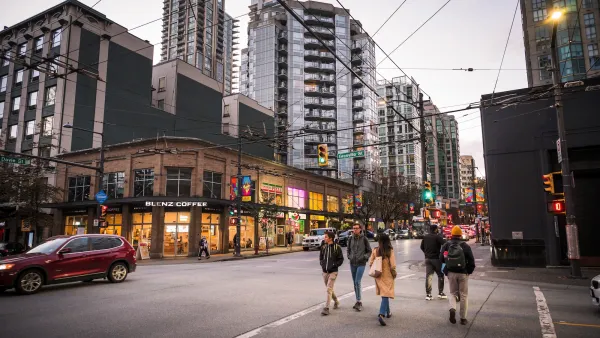
To upzone or not to upzone? Two views on the housing crisis
Allowing more density can increase the housing supply, but does the attendant rise in land prices cancel out the benefits?
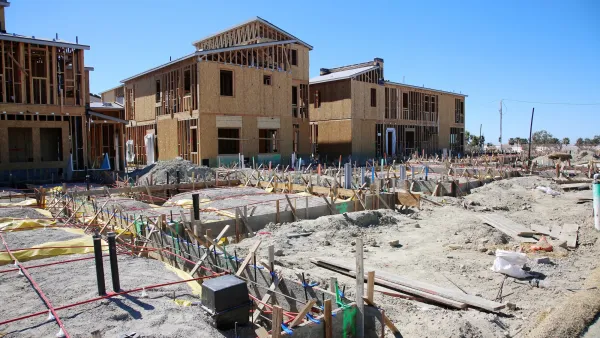
Less than 6% of California cities are building enough housing for very low-income households
Only five jurisdictions are on track to meet their housing goals for all income brackets.
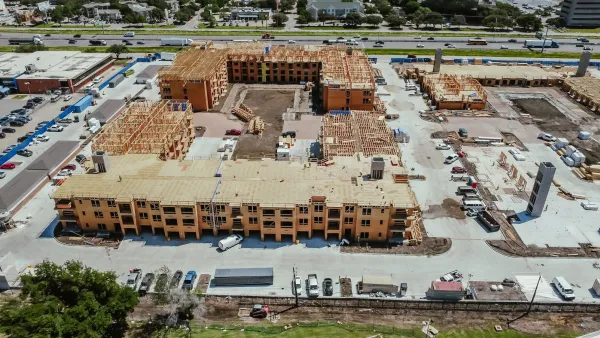
Controversial Texas housing law has 'directly facilitated' over 1,250 new homes
SB 840 allows developers to build multifamily housing by-right on lots zoned for commercial use without applying to a zoning change.

Planetizen Federal Action Tracker
A weekly monitor of how Trump’s orders and actions are impacting planners and planning in America.

‘Going backwards:’ Baltimore mayor, students rally against state's transit funding plan
Maryland's proposed six-year plan provides no funding for Baltimore’s BMORE bus program and reduces its road maintenance funding.

Detroit to transform waterfront with $2.2 billion investment
Developers will convert about 18 acres of unused parking lot space into civic spaces.

Less housing, wasted money: study reveals impact of city parking mandates
The study found that 71% of carless households in the United States pay for a parking space they don’t use.

Minnesota seeks to replace fraud-ridden Housing Stabilization Services with new program
Federal prosecutors have charged over a dozen people in fraud cases involving at least $26 million.

A multi-billion dollar problem is brewing under Oakland’s streets
Oakland’s stormwater drainage systems are in desperate need of upgrades and repairs. The El Niño will only further strain the city’s infrastructure.

FREE Course: Walkable City 1: Why Walkability?
After describing his path towards focusing on walkability as the essence of good planning, Jeff Speck marches through his five principal reasons for making more walkable places.
Reinventing Malls: Planning Alchemy—Turning Gray Fields Into Gold
The course focuses on the opportunities and imperatives that shape reinvention of mall sites.

One Hundred Miles
County of Mendocino
planning NEXT
The Architects Foundation
University of Cincinnati Online
Montrose County
Northern Illinois Transit Authority (NITA)
The Pocatello Development Authority