Clean energy jobs aren't just about slapping solar panels on building, according to this op-ed. Building the green economy relies on building our own understanding of the interplay of natural systems.


David Schejbal, a dean at the University of Wisconsin Extension, argues that we need to think more broadly about what it means to be green, and gather a better understanding about how to integrate environmentally conscious thinking into our daily processes.
"Understanding the intersections of the systems at work - natural systems, social systems and business systems - is critical to every aspect of how we live and work. For instance, if we recognize and understand that the Earth is a closed system, then we must look at manufacturing very differently; we must look at the making of stuff (whatever it might be) as a loop, not as a line.
...Green economy skills - or, more appropriately, the green economy literacy - must include this 'systems understanding' of the world in which we live. As we grapple with the consequences of our past consumptive practices and try to adjust our future practices to be less destructive of our children's futures, we have to understand how the world - in the fullest meaning of that term - works."
Read the full story: When it comes to green jobs, let's debate the right issue

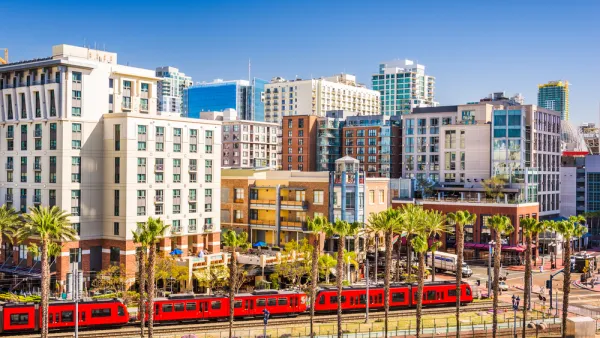
America’s 10 ‘Greenest’ Cities
A new analysis ranks cities based on their environmental quality, energy consumption and production, transportation, density, and other factors.
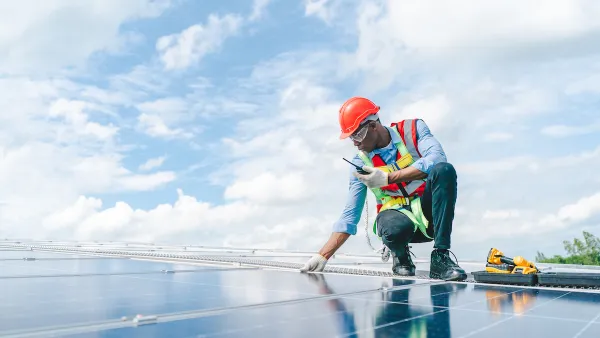
Report: Cities’ Climate Plans Fail to Include Workforce Development
While a few cities have detailed goals and investment strategies for building their green workforce, most U.S. cities fail to address the need for the training and education of a new generation of workers.
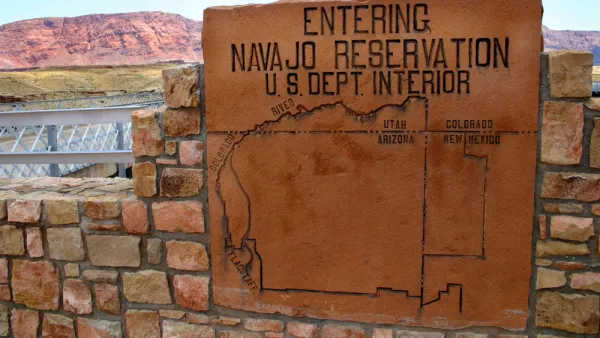
Navajo Leaders: Renewable Energy Transition Must Account for Equity
Native American leaders in the Southwest want to ensure their communities have a voice, and an opportunity for well-paying jobs, in renewable energy projects on Native land.

Planetizen Federal Action Tracker
A weekly monitor of how Trump’s orders and actions are impacting planners and planning in America.

‘Going backwards:’ Baltimore mayor, students rally against state's transit funding plan
Maryland's proposed six-year plan provides no funding for Baltimore’s BMORE bus program and reduces its road maintenance funding.

Detroit to transform waterfront with $2.2 billion investment
Developers will convert about 18 acres of unused parking lot space into civic spaces.

Minnesota seeks to replace fraud-ridden Housing Stabilization Services with new program
Federal prosecutors have charged over a dozen people in fraud cases involving at least $26 million.

A multi-billion dollar problem is brewing under Oakland’s streets
Oakland’s stormwater drainage systems are in desperate need of upgrades and repairs. The El Niño will only further strain the city’s infrastructure.

$2 trillion in economic growth may hide in ‘micropolitan communities’
Small cities hold 39% of America’s population, but receive only 10% of U.S. venture capital investment.

FREE Course: Walkable City 1: Why Walkability?
After describing his path towards focusing on walkability as the essence of good planning, Jeff Speck marches through his five principal reasons for making more walkable places.
Reinventing Malls: Planning Alchemy—Turning Gray Fields Into Gold
The course focuses on the opportunities and imperatives that shape reinvention of mall sites.

One Hundred Miles
County of Mendocino
planning NEXT
The Architects Foundation
University of Cincinnati Online
Montrose County
Northern Illinois Transit Authority (NITA)
The Pocatello Development Authority