The number of families in homeless shelters increased by 7% in 2009, according to a new report from the Department of Housing and Urban Development.


"The number of families in homeless shelters increased 7% to 170,129 from fiscal year 2008 through fiscal year 2009, a report released today by the U.S. Department of Housing and Urban Development found. At the same time, the overall number of homeless people in shelters fell 2% to 1.56 million.
"As the nation's housing and job markets show encouraging signs of recovery, there are still far too many families who are on the brink of becoming homeless or have fallen into our shelter system,' Secretary Shaun Donovan said in a statement."
The amount of people with children living in homeless shelters increased by 30% between 2007 and 2009, according to the report.
Read the full story: Families in homeless shelters increased 7% in '09
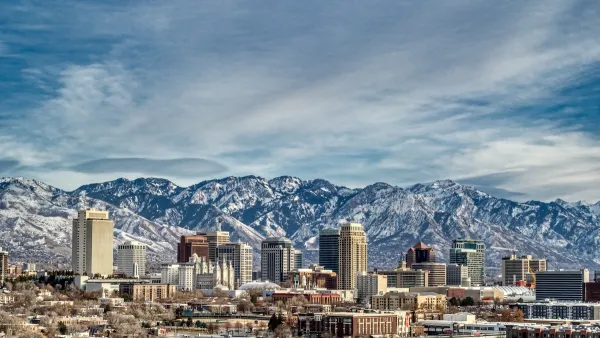
Utah to Build New, 1,200-Bed Shelter Campus
The state’s attempt to decentralize emergency homeless shelters yielded poor results, leading to a decision to develop a “transformative” intake campus with wraparound services.
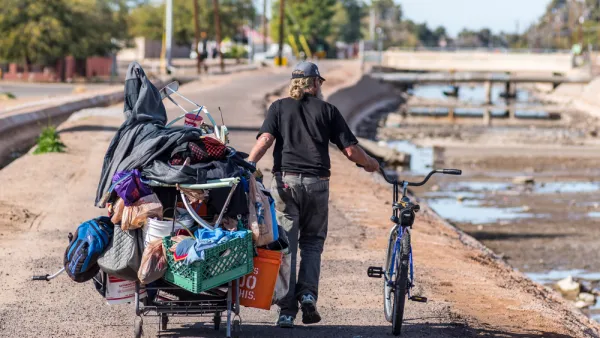
Phoenix Takes a New Approach on Homelessness
Phoenix is centering housing—affordable housing, permanent supportive housing, and eviction protections—in a new planning framework designed to reduce the number of homeless people living on the streets of the city.

California Proposal to Shelter Homeless on Cruise Ship
Oakland is looking at the possibility of housing homeless people in unconventional quarters.

Desperate measures: Advocates weigh draining Lake Powell to fill Colorado River
Draining the reservoir could reduce evaporation losses by a couple hundred thousand acre-feet.

Eastern Nebraska is running out of electricity
Data centers and electrification are straining eastern Nebraska’s grid, throttling economic development.

Malls are becoming the midtowns of the future
Mall and office park redevelopments are a generational opportunity to create new nodes of urbanity.

NYC breaks ground on anti-flooding infrastructure project
New York City's new system will reduce stormwater flows to local sewers by 90%.

One Kentucky town’s secret to affordable housing
The Smoketown Community Land Trust has already built seven affordable homes for community members.

Houston gains petal-shaped cooling infrastructure to make streets more ‘delightful’
The city has installed the pavilions along 15 blocks in Houston.

FREE Course: Walkable City 1: Why Walkability?
After describing his path towards focusing on walkability as the essence of good planning, Jeff Speck marches through his five principal reasons for making more walkable places.
Reinventing Malls: Planning Alchemy—Turning Gray Fields Into Gold
The course focuses on the opportunities and imperatives that shape reinvention of mall sites.

City of Rosemead
Rutgers University, Edward J. Bloustein School of Planning and Public Policy
One Hundred Miles
University of Michigan School for Environment and Sustainability (SEAS)
Hunter College, City University of New York (CUNY)
The Architects Foundation
City of Cambridge
Montrose County
The Pocatello Development Authority