In the wake of the Gulf of Mexico oil catastrophe, Geography professor Jason Henderson calls out "green" liberals who insist on driving.


Henderson points out that talk of so-called "green cars" is merely a distraction: The disaster unfolding in the Gulf of Mexico is just the latest warning that our automobile system must be wound down and replaced. He is particularly critical of progressives who call themselves environmentalists yet continue to drive:
"Any progressive-leftist-liberal - "green" -environmentalist cannot, with a clear conscience, drive his or her children to school and expect those children to find a planet they'll thrive on. He or she cannot smugly shrug that the transit system does not go where he or she wants to go, or that the distances are too far to ride a bicycle. Any able-bodied progressive who regularly exclaims 'But I need to drive!' is in need of some deep reflection on his or her values and especially the idea of a green car.
Those progressives who are still unwilling to give up driving should at least give up complaining and obstructing change. You need to accept that in American cities we need to make it more difficult to drive everywhere, for everything, all of the time. It needs to be far less convenient for the affluent to drive down from their exclusive enclaves to have a meal and see an opera. We need change like ending "free parking" in cities. We charge the poor to ride transit, but progressives expect free parking. The sense of entitlement to speed across the city needs to be restricted. Most importantly, progressive motorists need to slow down so those of us willing to make the change can do so safely."
Read the full story: Want to Prevent Oil Spill Disasters? Stop Driving


Creating Ocean-Safe Plastic from Seashells
USC researchers have created a biodegradable, marine-safe plastic alternative using calcium carbonate from seashells, offering a promising solution to ocean pollution.

Commentary: Colorado Will Forge Ahead With Conservation Work
While federal policy may become less friendly to environmental efforts, support from state legislators and agencies can prevent the state from backsliding.
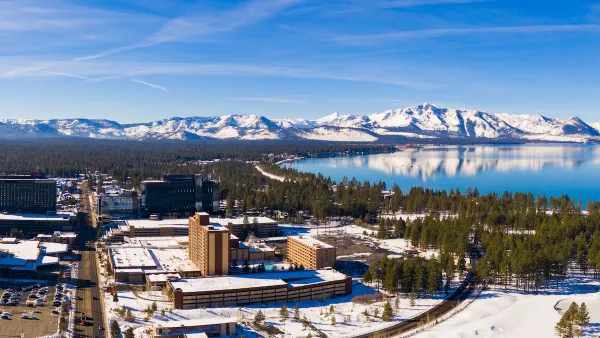
Nevada to Host National Outdoor Recreation Conference
In May 2024, the Society of Outdoor Recreation Professionals will hold its national conference in Stateline, Nevada, offering opportunities to learn and network in the beautiful setting of Lake Tahoe.

Planetizen Federal Action Tracker
A weekly monitor of how Trump’s orders and actions are impacting planners and planning in America.

The state-sanctioned urbicide of Austin
People don’t kill cities. Freeways do.
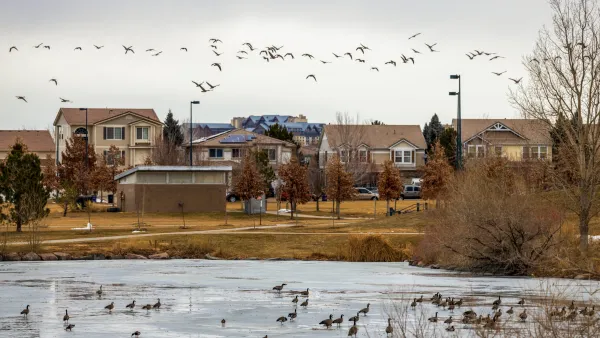
Colorado’s Largest Data Center Could Rise Next to Homes — Without a Public Hearing
The proposed campus would consume 11 times the power of Denver International Airport; as it has across the country, opposition mounts.

Amtrak, CN end decades-long dispute with eight-year agreement
The new operating agreement establishes an updated framework for the companies to work together, including processes to resolve disputes.
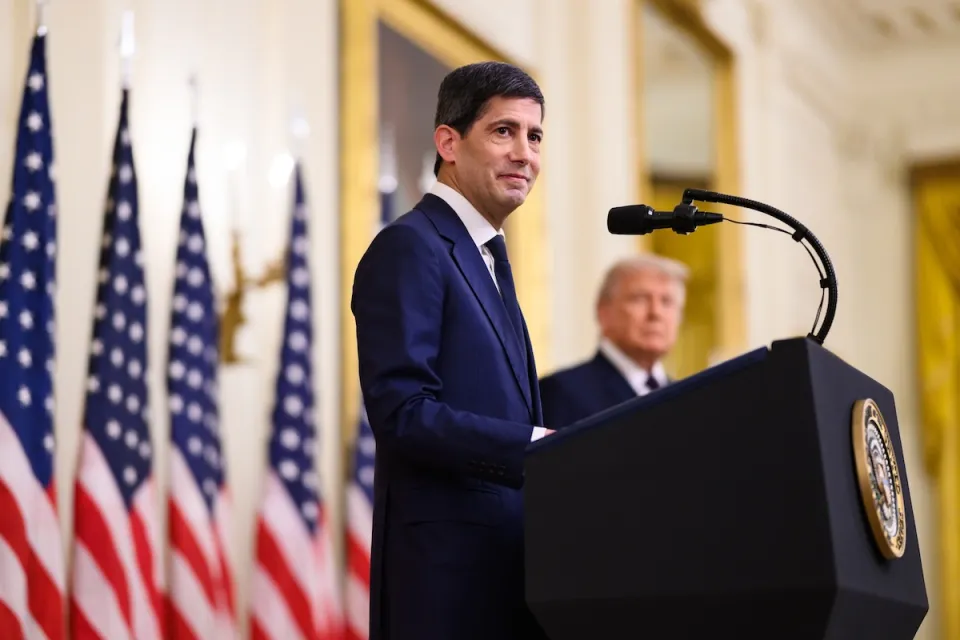
Raised interest rates may kill financially vulnerable construction projects
The chief economist at ConstructConnect warns that if construction project owners are negatively impacted by the raised rates, it could result in delayed payments to contractors.
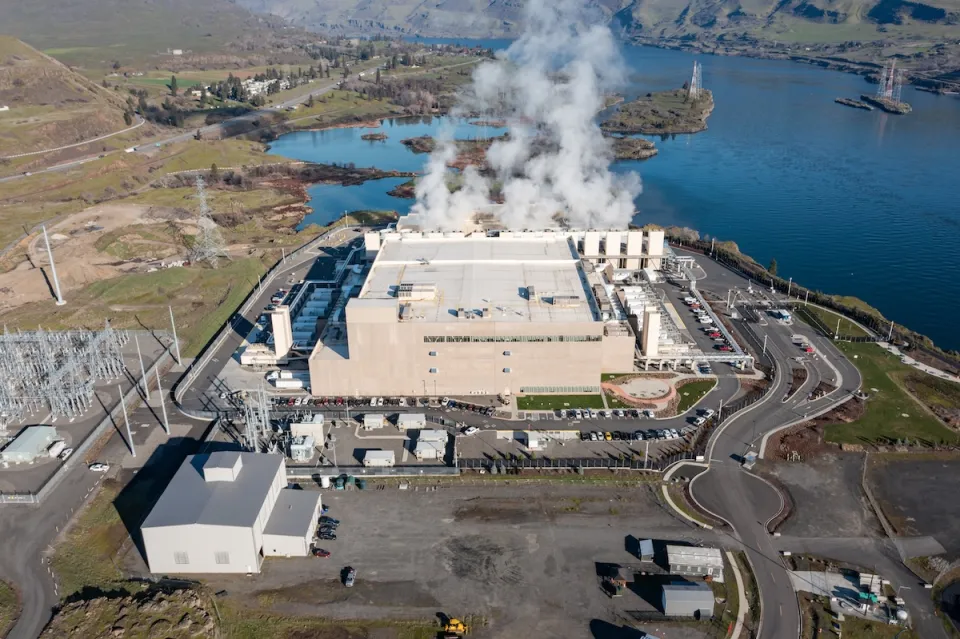
Data centers are consuming nearly 25% of Oregon’s power
The state has 111 data centers, with 32 more either planned or under construction.

FREE Course: Walkable City 1: Why Walkability?
After describing his path towards focusing on walkability as the essence of good planning, Jeff Speck marches through his five principal reasons for making more walkable places.
Reinventing Malls: Planning Alchemy—Turning Gray Fields Into Gold
The course focuses on the opportunities and imperatives that shape reinvention of mall sites.

Greater Baltimore Committee
Eagle County Government
Harvard University Graduate School of Design
The Architects Foundation
University of Cincinnati Online
The Pocatello Development Authority
The Urban Renewal Agency of the City of Pocatello
Journal of the American Planning Association