Builders can't get credit but they may get jobs from banks, who, because of foreclosures, have unfinished homes that they need help completing.


Las Vegas is ground zero for residential foreclosures. It's also where a little-used arrangement is making things a bit better for banks, builders and construction workers. One lender there hired a builder to finish hundreds of partially-built condos plopped on its books after it foreclosed on the original developer. The alternative was steep losses for selling the condos as-is. Instead of sales profits, the bank-contracted builders get paid flat fees.
"It helps stop the bleeding," developer Randy Schaefer told the Wall Street Journal's Jim Carlton. "It's not my first choice, but it helps keep me in business."
The banks-hiring-builders trend helps preserve relationships in a strained time for the both parties. In some of these situations, home builders are working for the same banks that won't lend money to them.
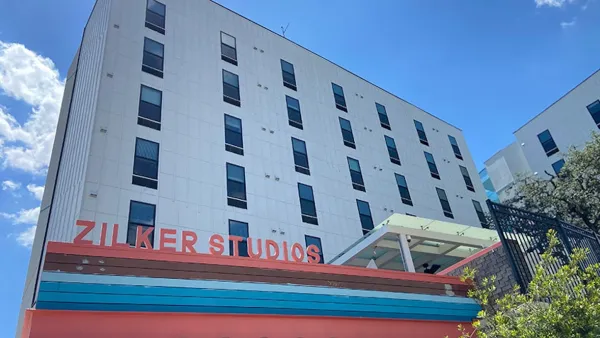
What Makes Affordable Housing Green?
There's no one way to determine what makes “green” housing. Here's a breakdown of the standards and considerations used by the affordable housing industry.

Quantifying the Impact of Pandemic Housing Assistance
The massive federal injection of funding into housing programs has had major impacts on many Americans’ ability to stay housed and out of debt, but fears loom as the end of some funding sources nears.
How Does an Economic Downturn Impact City Infrastructure?
From budget cuts to delayed maintenance projects, cities adapt, prioritize, and innovate amidst financial challenges to ensure sustainable and resilient urban environments.

Planetizen Federal Action Tracker
A weekly monitor of how Trump’s orders and actions are impacting planners and planning in America.

Washington state to charge fee to drivers with fuel-efficient cars
Revenue from the fee will go towards supporting the state’s highways.

Illinois considers spending $1 billion in taxpayer money on data center
A quantum computing campus and data center are currently under construction in Chicago.

Senate passes bill overhauling permitting
The bill still needs to pass the House.

Did data centers change how voters cast their ballots?
Texas, Ohio, and Georgia all flipped party control. But in rural counties, the effect of local data centers was mixed.

Amtrak invests in eight new Airo trainsets
The new trainsets will begin serving passengers in 2031.

FREE Course: Walkable City 1: Why Walkability?
After describing his path towards focusing on walkability as the essence of good planning, Jeff Speck marches through his five principal reasons for making more walkable places.
Reinventing Malls: Planning Alchemy—Turning Gray Fields Into Gold
The course focuses on the opportunities and imperatives that shape reinvention of mall sites.

City of Charlotte
City of Rosemead
Rutgers University, Edward J. Bloustein School of Planning and Public Policy
University of Michigan School for Environment and Sustainability (SEAS)
Hunter College, City University of New York (CUNY)
The Architects Foundation
University District Partnership