Parking by the Giants Stadium costs $1 less an hour than before the pilot program began, but on 'game days', the rate shoots up four-fold. Parking rates are not set daily but hourly by time of day, and have become quite profitable.


The Port of San Francisco is under different jurisdiction than the rest of the city, but the Municipal Transportation Agency is conducting the pilot program called SF Park, funded by a Federal Urban Partnerships Grant.
"Six months into a pilot program for the 97 Port of San Francisco parking meters, revenue is up 38 percent compared with the same time last year, though the agency said there have been some confused motorists.
Prices range from 25 cents an hour to $4 an hour, depending on the time of day. Eventually, the price will also fluctuate based on demand."
From S.F. plans market rates for prized parking spaces:
"In addition to basing meter prices on demand, city officials also want to make paying for parking more convenient. They believe that if people have the chance to pay with a credit card, debit card, cell phone or other gadget, they'd be more likely to pay, even if there's a surcharge.
Meter prices could be adjusted up or down based on demand. And the goal would be to maintain an 85 percent occupancy rate at metered spaces to promote turnover."
Read the full story: SF Port's parking system pays dividends
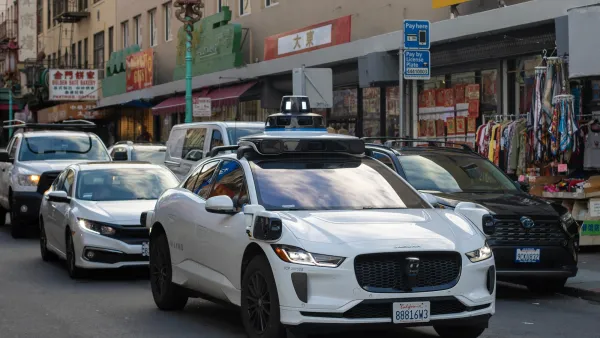
Luxury condo owners fight robotaxis in the most San Francisco conflict ever
Waymos parking in a condo building's garage are causing headaches as they get stuck and block other cars from exiting.
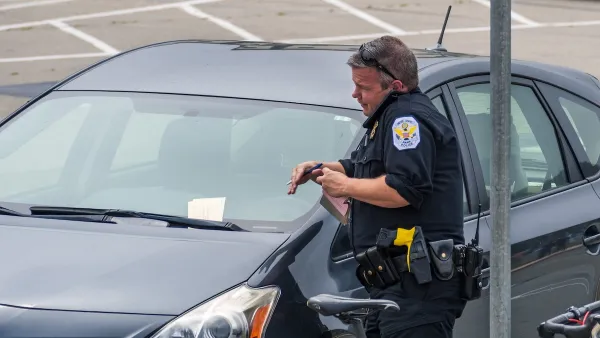
For a Few Hours, This Site Put San Francisco Drivers a Step Ahead of Parking Officers
A web developer used city parking enforcement data to map the routes of parking enforcement officers.
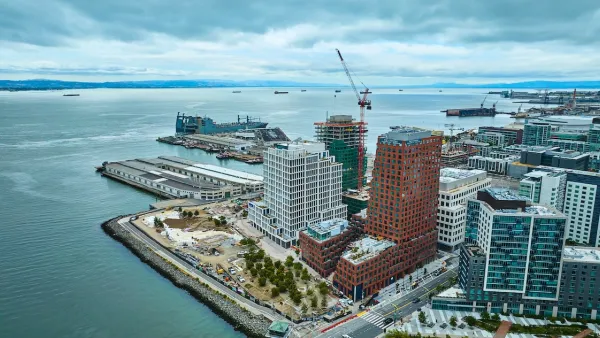
San Francisco Development Centers Pedestrians, Public Space
The Mission Rock project eliminates street parking, replacing it with public seating and landscaping.

Planetizen Federal Action Tracker
A weekly monitor of how Trump’s orders and actions are impacting planners and planning in America.

Eastern Nebraska is running out of electricity
Data centers and electrification are straining eastern Nebraska’s grid, throttling economic development.

Study reveals best places in the U.S. for cycling, walking
New research from Streetlight Data examines bicycle and pedestrian miles per capita in the 100 largest U.S. cities by population.

DSA members accuse Mamdani of 'abandoning values' over housing redevelopment
New York City's mayor plans to replace about 2,000 units of public housing with private, mixed-income housing.

All sides of BRT debate unhappy with CDOT’s most recent move
The Colorado Department of Transportation is no longer considering center-running bus lanes for Colorado Boulevard.

Massachusetts bogs generate both power, and cranberries
Putting solar panels above farmland is one way Massachusetts is advancing toward its goal of net-zero carbon emissions by 2050.

FREE Course: Walkable City 1: Why Walkability?
After describing his path towards focusing on walkability as the essence of good planning, Jeff Speck marches through his five principal reasons for making more walkable places.
Reinventing Malls: Planning Alchemy—Turning Gray Fields Into Gold
The course focuses on the opportunities and imperatives that shape reinvention of mall sites.

City of Rosemead
Rutgers University, Edward J. Bloustein School of Planning and Public Policy
One Hundred Miles
University of Michigan School for Environment and Sustainability (SEAS)
Hunter College, City University of New York (CUNY)
The Architects Foundation
City of Cambridge
The Pocatello Development Authority
The Urban Renewal Agency of the City of Pocatello