An ex-pat American returns home to Milwaukee, and is overwhelmed by the extensive auto-oriented infrastructure needed to support the U.S. lifestyle, very different from his life in Almeria, Spain.


Richard Birch's friends are surprised to learn that he and his wife don't own a car in Spain.
Birch writes, "Everything we bought for our apartment in Almería we bought on foot. Plumbers, furniture stores, computer equipment and appliances are only a few minutes away. When we bought our washing machine, the owner's brother was waiting for us at our door, our washer on a handcart, even though we lingered for only moments on the walk home.
What's the cost for living our American way? It's not just the thousands of dollars for the second car, insurance and gas. We also have to support a lake of concrete around us - and gas, electric and sewer lines to stretch out past the near-vacant belts beyond the older suburbs. Property taxes in Almería on our condo are one-twelfth our taxes in Milwaukee, even though the value of the two homes is roughly the same.
One-twelfth. Oh, and they throw in free health insurance."
Read the full story: A void paved over with concrete

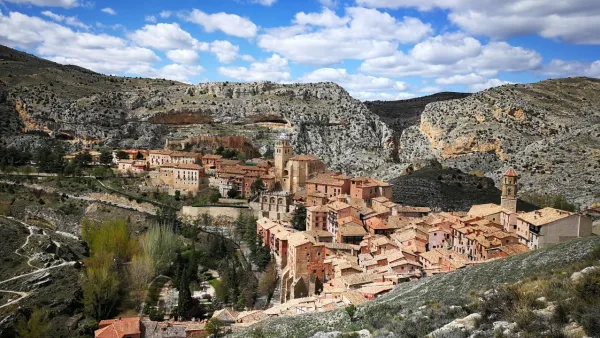
Abandoned Rural Spain Rebounds With People Fleeing Cities
COVID-19 is leading an exodus to rural areas, according to this article. The shift could hurt the economies of cities, but it also presents opportunities for younger residents and people looking for a more sustainable lifestyle.
An Elegant Guide to Walkability
The Spanish city of Pontevedra has developed an innovative, and attractive, map of pedestrian connections based on the color-coded subway maps common to cities around the world; burnishing its reputation as "a leader in walker-friendly urban policy."
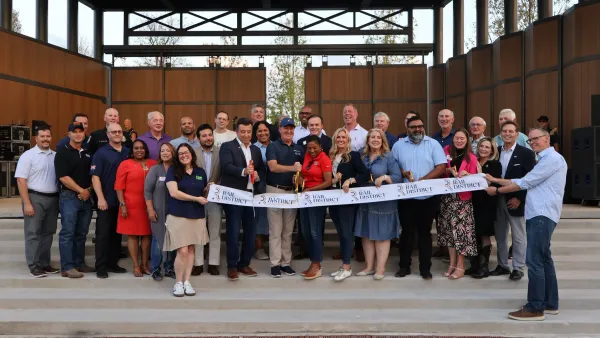
Dallas suburbs are turning their downtowns into small towns
Four Texas towns are embracing walkability and density in their downtowns.

Planetizen Federal Action Tracker
A weekly monitor of how Trump’s orders and actions are impacting planners and planning in America.

California plans to bury El Niño’s downpour
If the state plays its cards right, it may be able to store a billion acre-feet of El Niño’s water in aquifers.

Desperate measures: Advocates weigh draining Lake Powell to fill Colorado River
Draining the reservoir could reduce evaporation losses by a couple hundred thousand acre-feet.

California city breaks ground on transit connector
The project includes three mobility hubs and a pedestrian bridge.

After public outcry, Massachusetts city releases housing development tracker
Cambridge’s tracker currently shows 250 housing projects in various stages of development.

40 years after approval, Chicago breaks ground on new park
The park honors Jean Baptiste Point du Sable, the city’s first permanent non-native settler.

FREE Course: Walkable City 1: Why Walkability?
After describing his path towards focusing on walkability as the essence of good planning, Jeff Speck marches through his five principal reasons for making more walkable places.
Reinventing Malls: Planning Alchemy—Turning Gray Fields Into Gold
The course focuses on the opportunities and imperatives that shape reinvention of mall sites.

City of Rosemead
Rutgers University, Edward J. Bloustein School of Planning and Public Policy
One Hundred Miles
Hunter College, City University of New York (CUNY)
The Architects Foundation
University of Cincinnati Online
City of Cambridge
Montrose County
The Pocatello Development Authority