A new study from ULI details the transportation costs for households around the San Francisco Bay Area, and finds that SFers spend on average $500 less each month than suburban dwellers in the area.


The study was prepared by the Center for Neighborhood Technology in Chicago for the Urban Land Institute.
"In San Francisco, for instance, a household with the median city income of $66,523 has estimated monthly transportation costs of $792. In nearby cities the monthly estimate remains in triple digits, such as Berkeley ($858) or Sausalito ($885).
For families in more distant automobile-reliant suburbs, though, the monthly transportation costs spike. The estimate for Antioch is $1,311, for instance, while in Livermore it's $1,281. Cities with little connection to transit also suffer - such as Pacifica, where a household's monthly transportation is estimated to cost $1,246."
Read the full story: S.F. transportation costs lower than in suburbs

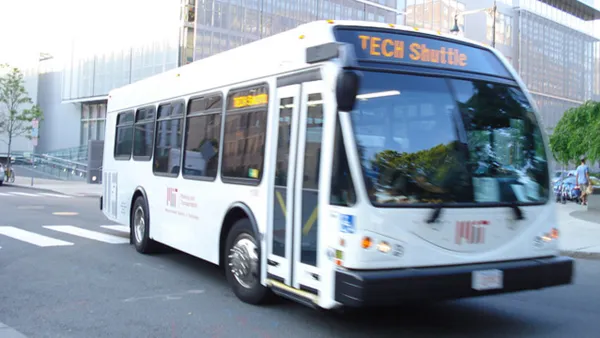
Better to Appease Irate Neighbors Than Decrease Car Commuting
A San Francisco Chronicle editorial supports the decision by the Municipal Transportation Agency to 'bow' to complaints from residents about the large tech buses by reducing their stops in their neighborhoods even if it means increasing car trips.
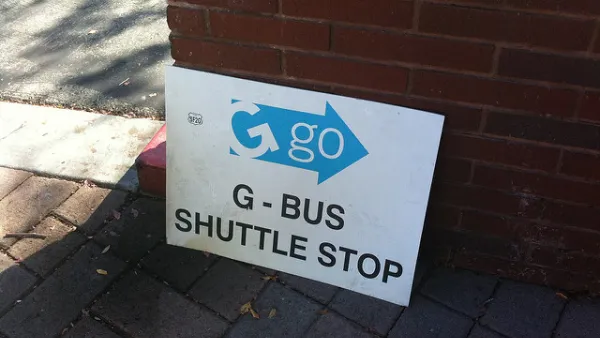
Facebook: Solo Commutes Increasing After Loss of Tech Shuttle Stops
Public pressure led the city of San Francisco to cut and relocate tech shuttle stops. Now the cities at the other end of the commute might be dealing with the consequences of those decisions.
Bay Area Leads the Nation in Reducing Solo Commuters
According to the Census Bureau's American Community Survey on commuting to work, one subregion in the Bay Area can claim accolades for having achieved the largest drop in solo-commuting from 2006, scoring the third lowest drive-alone rate in 2013.

Amtrak, CN end decades-long dispute with eight-year agreement
The new operating agreement establishes an updated framework for the companies to work together, including processes to resolve disputes.

Judges permit Denver to divert 77,000 acre feet from the Colorado River for reservoir expansion
Overuse and climate change have caused the Colorado River’s water levels to plummet.
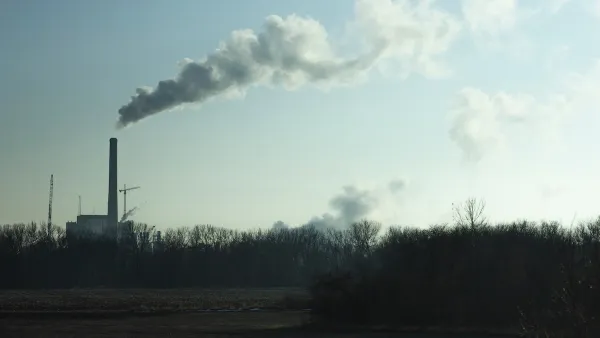
Nation's most wind-powered state turns to coal as data centers increase energy demand
For the first time in decades, Iowa has increased its generation of coal power.

Boston has spent millions making the Green Line more accessible — and there’s no end in sight
While the city has invested millions into expanding and adding platforms to the Green Line to make it more accessible, new train cars set to arrive next year will be too tall for disabled passengers to board without raising the current platforms.

Idaho may see an 18% drop in federal surface transit funding — the largest estimated cut in the US
Transit systems in rural communities are much more reliant on federal funding to provide their services.

How ‘post-disaster gentrification’ alters neighborhoods after natural calamities
After hurricanes, fires or other calamities, the original residents of a community are often replaced by younger, wealthier residents.

FREE Course: Walkable City 1: Why Walkability?
After describing his path towards focusing on walkability as the essence of good planning, Jeff Speck marches through his five principal reasons for making more walkable places.
Reinventing Malls: Planning Alchemy—Turning Gray Fields Into Gold
The course focuses on the opportunities and imperatives that shape reinvention of mall sites.

City of Wisconsin Rapids
Harvard University Graduate School of Design
KFH Group Inc.
The Architects Foundation
University of Cincinnati Online
The Pocatello Development Authority
The Urban Renewal Agency of the City of Pocatello