Different cities have different levels of greenhouse gas emissions. A new study looks at how they are different and why.


The study was performed by researchers at the University of Toronto, and compared ten global metropolises.
"Dr Christopher Kennedy and his colleagues tried to quantify the contributions of heating, transport and waste disposal, among other things, to the emission of greenhouse gases in each of these cities, and to calculate the emissions per person that resulted. They also included in their calculations some emissions that took place outside the city limits, such as those associated with the production of fuel that was consumed in the cities in question.
The results, which will be published in the October 1st issue of Environmental Science and Technology, showed that the total emissions of the ten chosen cities varied considerably, ranging from 4.1 tonnes of carbon dioxide per person in Barcelona to 21.5 tonnes in Denver. Other low emitters included Geneva and Prague; Los Angeles, Cape Town and Toronto were among the high emitters. The rest fell in between."
Read the full story: Urban metabolism

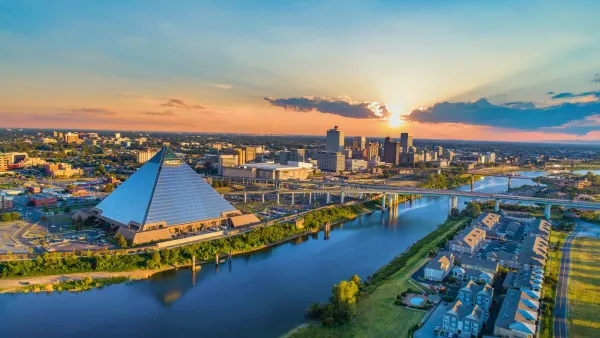
15 US cities and their global namesakes
Hundreds of cities around the United States are named after other places. We tour a few of them.
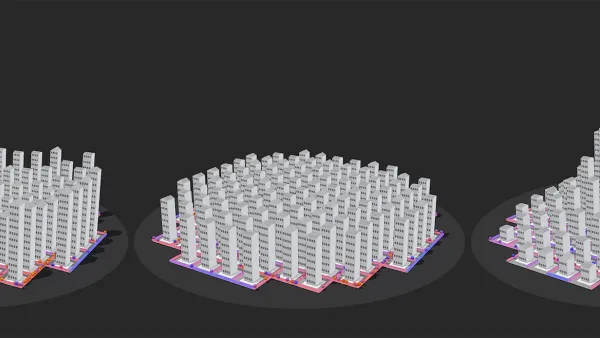
New study visualizes how city shapes impact mobility
Whether circular or linear, the shape and layout of cities affects how their residents get around.
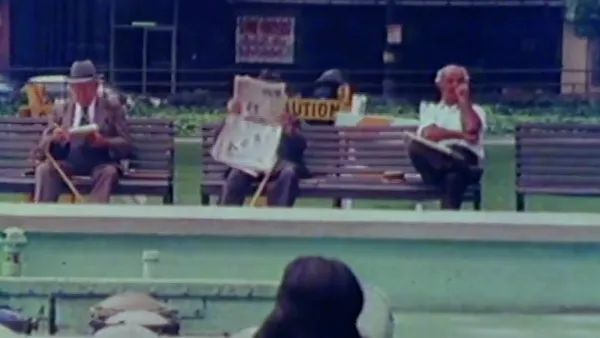
William Whyte’s Seminal Urban Film Restored
‘The Social Life of Small Urban Spaces’ changed the way planners view public space and ushered in a new way of understanding urban patterns.

Planetizen Federal Action Tracker
A weekly monitor of how Trump’s orders and actions are impacting planners and planning in America.

‘Going backwards:’ Baltimore mayor, students rally against state's transit funding plan
Maryland's proposed six-year plan provides no funding for Baltimore’s BMORE bus program and reduces its road maintenance funding.

Detroit to transform waterfront with $2.2 billion investment
Developers will convert about 18 acres of unused parking lot space into civic spaces.

U.S.-Iran war may have ‘devastating’ impact on cost to warm homes
Vermont and Maine residents may see a 76% increase in the cost of warming their homes this winter.

Senate bill would ‘overhaul’ environmental permitting laws
Under the proposed act, government agencies would also not be able to suspend or rescind permits after granting them.

Exemption applications for NYC’s pied-à-terre tax see 55% success rate
The city sent nearly 40% of its initial pied-à-terre tax warnings erroneously.

FREE Course: Walkable City 1: Why Walkability?
After describing his path towards focusing on walkability as the essence of good planning, Jeff Speck marches through his five principal reasons for making more walkable places.
Reinventing Malls: Planning Alchemy—Turning Gray Fields Into Gold
The course focuses on the opportunities and imperatives that shape reinvention of mall sites.

One Hundred Miles
County of Mendocino
planning NEXT
The Architects Foundation
University of Cincinnati Online
Montrose County
Northern Illinois Transit Authority (NITA)
The Pocatello Development Authority