The poverty rate hit an 11-year high in 2008, according to the U.S. Census Bureau.


The downward trend in personal income is expected to continue throughout 2009 and into 2010.
"Experts said they expected the official poverty rate, which rose to 13.2% of the nation from 12.5% in 2007, to keep climbing this year and next, reversing the progress made in the 1990s.
With the U.S. unemployment rate averaging 8.9% this year and increasing almost every month, compared with 5.8% in 2008, incomes are likely to deteriorate further as well.
The median household income -- the point at which half were more and half were less -- fell 3.6% to $50,303 last year from 2007, the Census Bureau said."
Read the full story: U.S. poverty rate hit 11-year high in 2008
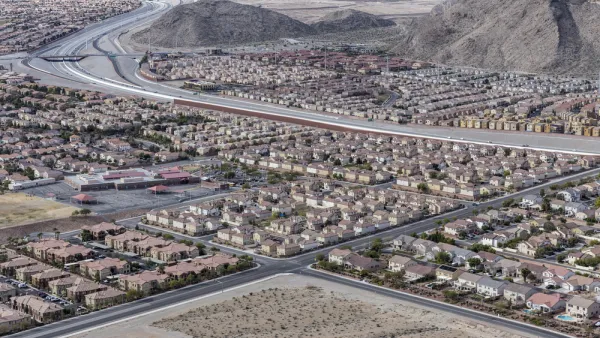
Research: Sprawl Linked to Poverty
Low-income families living in high-sprawl neighborhoods are limited in their access to education, jobs, and other amenities, often trapping them in a cycle of poverty.
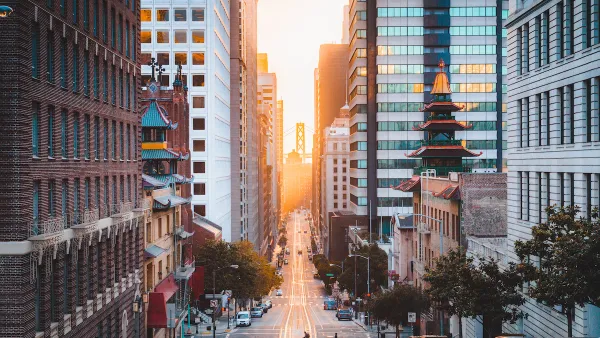
Is Inequality Destroying American Cities?
A recent video claimed that high income inequality is the “Thing That Will Destroy Our Cities.” Is this true?

Rural Areas Experience Higher Food Insecurity
As pandemic-era assistance programs expire, the rate of food insecurity for rural households is rising higher than in their urban counterparts.

Desperate measures: Advocates weigh draining Lake Powell to fill Colorado River
Draining the reservoir could reduce evaporation losses by a couple hundred thousand acre-feet.

Eastern Nebraska is running out of electricity
Data centers and electrification are straining eastern Nebraska’s grid, throttling economic development.

Malls are becoming the midtowns of the future
Mall and office park redevelopments are a generational opportunity to create new nodes of urbanity.

NYC breaks ground on anti-flooding infrastructure project
New York City's new system will reduce stormwater flows to local sewers by 90%.

One Kentucky town’s secret to affordable housing
The Smoketown Community Land Trust has already built seven affordable homes for community members.

Houston gains petal-shaped cooling infrastructure to make streets more ‘delightful’
The city has installed the pavilions along 15 blocks in Houston.

FREE Course: Walkable City 1: Why Walkability?
After describing his path towards focusing on walkability as the essence of good planning, Jeff Speck marches through his five principal reasons for making more walkable places.
Reinventing Malls: Planning Alchemy—Turning Gray Fields Into Gold
The course focuses on the opportunities and imperatives that shape reinvention of mall sites.

City of Rosemead
Rutgers University, Edward J. Bloustein School of Planning and Public Policy
One Hundred Miles
University of Michigan School for Environment and Sustainability (SEAS)
Hunter College, City University of New York (CUNY)
The Architects Foundation
City of Cambridge
Montrose County
The Pocatello Development Authority