While nuclear energy is being touted as a possible savior for global warming, an updated MIT study says the technology hasn't progressed and is still too expensive.


"In 2003, MIT argued that nuclear power could play an important role in U.S. electricity generation, and that government help was needed to jumpstart a U.S. revival. That has yet to happen yet, the revised study notes.
Many of the challenges facing nuclear power are the same. Take economics. Building nuclear plants is still a lot more expensive than building coal- or gas-fired plants, and nuclear-generated electricity is still more expensive than either fossil-fuel option: 8.8 cents a kilowatt for nuclear versus 6.2 cents for coal and 6.5 cents for gas, MIT figures."
"An even bigger economic hurdle: lenders typically charge more to finance a nuclear plant than, say, a combined-cycle gas-fired power plant. That's because nuclear plants have a history of running behind schedule and facing cost overruns."
Read the full story: Nuclear Revival: Still On Hold, MIT Study Says

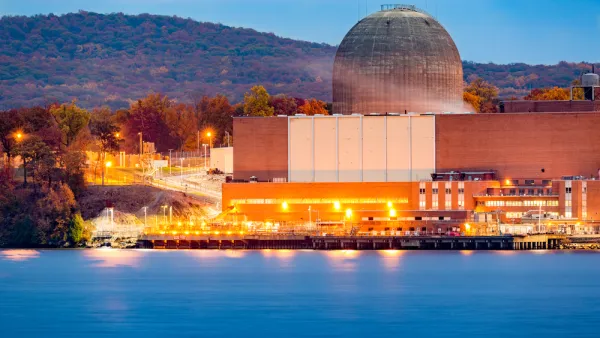
Google Inks Nuclear Power Deal
Tech giants are seeking out renewable energy to fuel power-hungry data centers and AI applications.
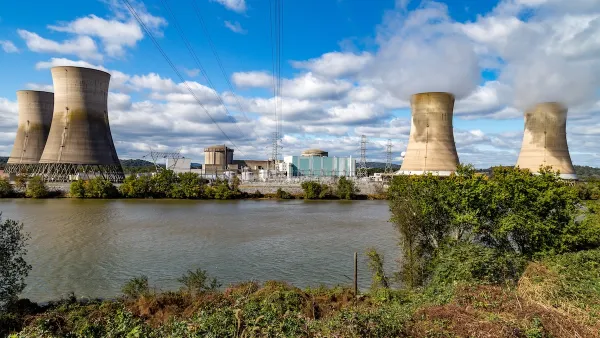
Three Mile Island Nuclear Plant Could Power Microsoft Data Centers
The proposal to restart one unit of the infamous plant, which suffered a partial meltdown in 1979, still requires federal, state, and local approvals.
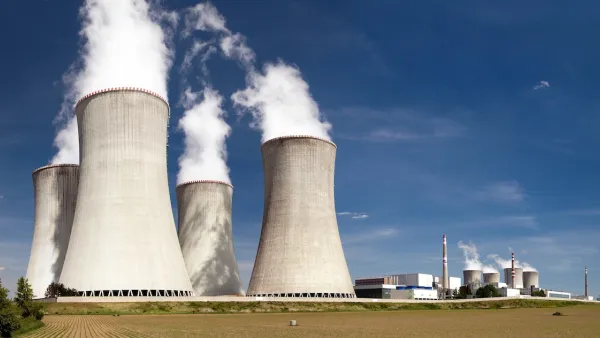
Small-Scale Nuclear Power Dealt Major Setback
The company that made history in January when its 'small modular nuclear reactor' became the first in the nation to receive certification from the Nuclear Regulatory Commission has canceled it due to financial reasons.

Planetizen Federal Action Tracker
A weekly monitor of how Trump’s orders and actions are impacting planners and planning in America.

Amtrak, CN end decades-long dispute with eight-year agreement
The new operating agreement establishes an updated framework for the companies to work together, including processes to resolve disputes.

Judges permit Denver to divert 77,000 acre feet from the Colorado River for reservoir expansion
Overuse and climate change have caused the Colorado River’s water levels to plummet.

SEPTA to bring nearby frequent transit to over 1 million new riders as part of decade-long plan
The agency's Accelerate plan will also bring frequent transit to twice the amount of jobs that are currently located near it.

NYC plants over 18,000 trees, the most new foliage in a decade
Many of the trees were planted in communities vulnerable to extreme heat.

New bill requires California data center developers to create water scarcity plans
Gov. Gavin Newsom recently signed 7 bills intended to give California communities more information about the impact of proposed data centers.

FREE Course: Walkable City 1: Why Walkability?
After describing his path towards focusing on walkability as the essence of good planning, Jeff Speck marches through his five principal reasons for making more walkable places.
Reinventing Malls: Planning Alchemy—Turning Gray Fields Into Gold
The course focuses on the opportunities and imperatives that shape reinvention of mall sites.

City of Wisconsin Rapids
Harvard University Graduate School of Design
KFH Group Inc.
The Architects Foundation
University of Cincinnati Online
The Pocatello Development Authority
The Urban Renewal Agency of the City of Pocatello